LGBTQIA+ Engagement Rings: Choosing Matching, Complementary or Individual Designs
As two people, with two individual personalities with one shared commitment. Should your engagement rings match?
Selecting engagement rings is an very personal, individual experience. For couples who are considering two engagement rings, an initial question is should the designs match, complement one another or be entirely individual stand alone pieces.
The truth is that there is no right or wrong decision.
Exploring matching engagement rings means that the designs will be practically identical. Engagement rings that compliment each other usually incorporate common elements or themes, such as gemstones, metal or setting styles, whilst still allowing each ring to have its own character. Individual rings can be entirely different from one another, reflecting the individual style and design preferences of each person.
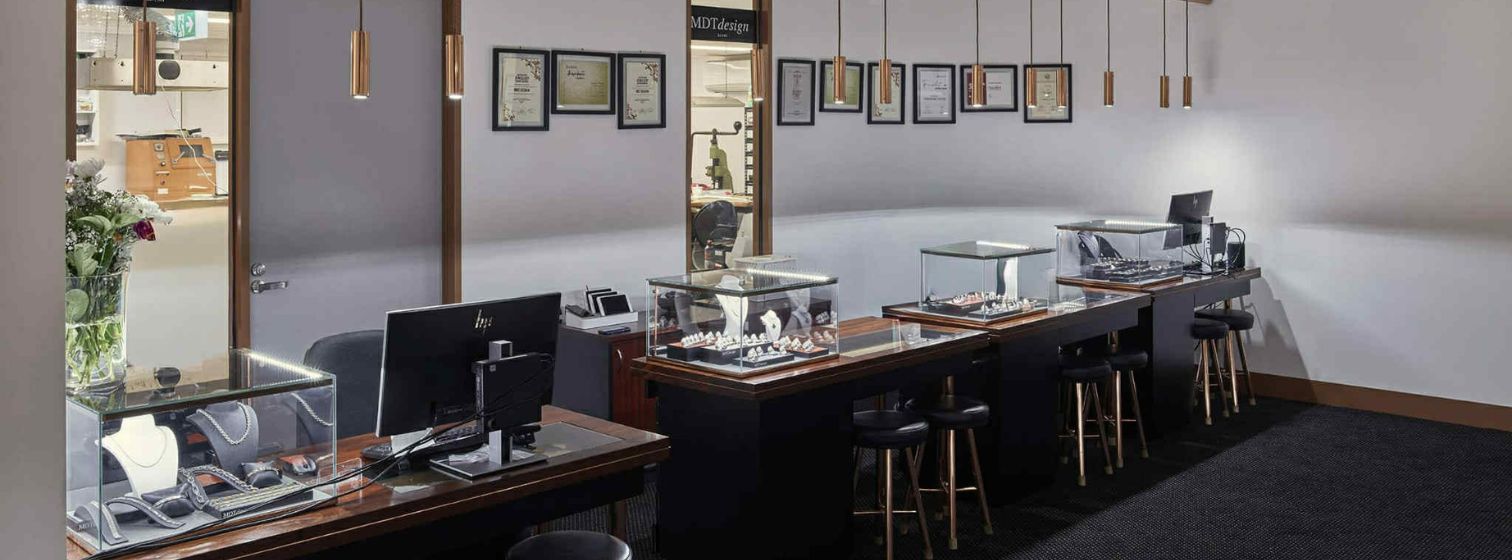
At MDT DESIGN, our Melbourne jewellers and designers have worked with many same-sex couples to create custom engagement rings, from matching, to complimentary to completely individual- all that celebrate the shared commitment they have made and highlighting their individual personalities.
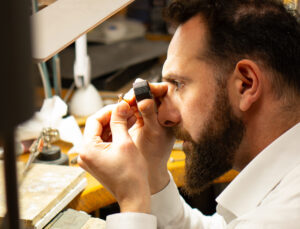
Throughout this article, Kosta Theochari, MDT DESIGN’s Managing Director, jeweller, designer and diamond grader, shares his insights from more than two decades at the jeweller’s bench, delving into how he helps couples find common ground between different tastes and why two rings don’t necessarily need to look identical to belong together, forever.
Do LGBTQIA+ Couples Need Two Engagement Rings?
No. There are no rules stipulating how many engagement rings any couple should exchange, who should actually propose or how a proposal should unfold.
Some couples might exchange two engagement rings, while others choose one. Some couples propose to each other separately, some plan a joint proposal together, and others decide to exchange wedding rings without engagement rings at all.
It is important to remember that the meaning of an engagement isn’t determined by how closely a couple follows tradition. It’s determined by the commitment they choose to make and for some creating their own tradition becomes the most significant sentiment of all.
When speaking of LGBTQIA+ couples specifically, as with any couple, the opportunity is to create traditions that feel authentic to their individual love, and their own relationship.
Maybe that means two identical matching engagement rings exchanged with a shared proposal. Perhaps, a surprise engagement ring for one partner and a wedding band for the other. Or perhaps neither person wants a traditional engagement ring at all.
Each couple can choose what custom they would like to embrace, reimagine or entirely abandon.
For insight into a wider discussion about personal expression and engagement ring tradition, explore our article; LGBTQ+ Engagement Rings in Melbourne: Designing Rings Without Rules.
For the couples who do choose two engagement rings, the next decision is if/how those designs should relate to one another.
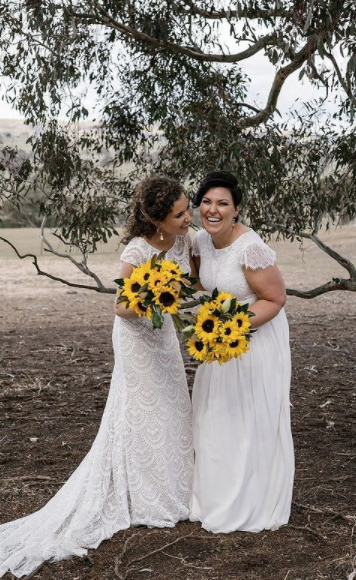
Matching, Complementary or Individual Engagement Rings: What is the Difference?
These three options offer different ways to express individuality and connection.
No one path is inherently more meaningful than another. The right path for each couple depends on the people who will wear them.
Matching Engagement Rings: Similar Designs with Personal Differences
Matching engagement rings usually create an obvious and immediate visual link between two people.
However, Kosta’s experience suggests that many couples don’t always want two entierly identical rings.
Having worked with many same-sex couples throughout the duration of his career in design, he has found that those seeking matching engagement rings often prefer the same overall style with little, deliberate differences.
For example, one might choose a round brilliant-cut diamond, while the other goes with a princess-cut diamond. Both rings can share the same design entirely, the same precious metal and the same style of setting while retaining their own identity.
This is a relatively simple design decision, but one that can make a matching pair feel more individaul.
Some other methods of customising matching engagement rings include:
- The exact same design in different colours of precious metal
- Keeping an identical setting with a different gemstone shape
- Choosing matching rings with varying finishes; polished/ matte/ hammered.
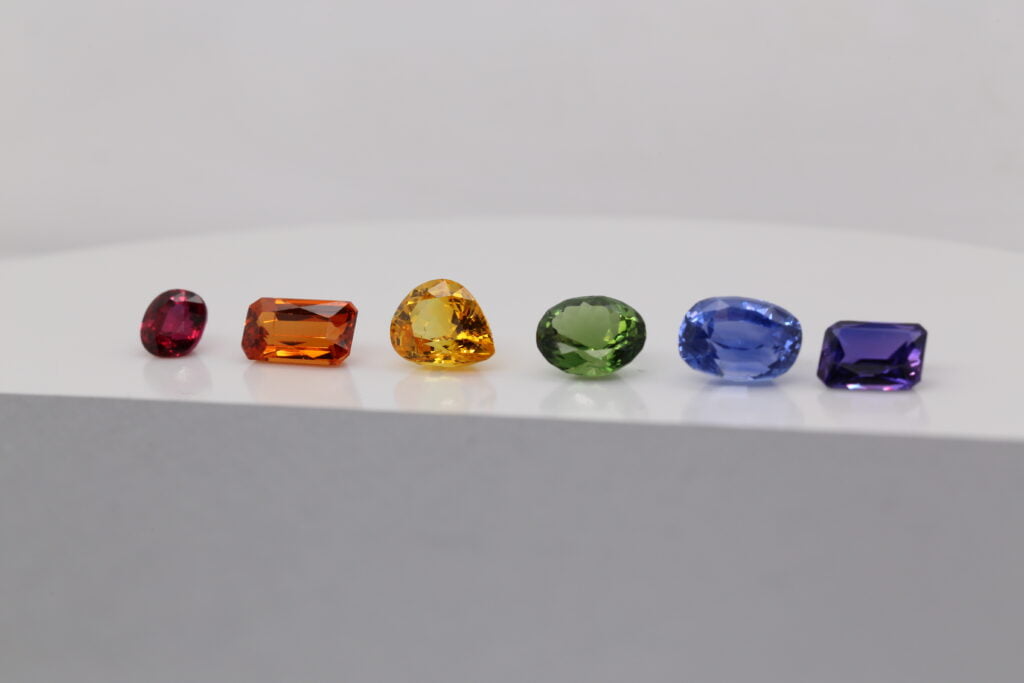
- Utilising different gemstone colours into the same design
- The addition of individual engravings to otherwise identical rings
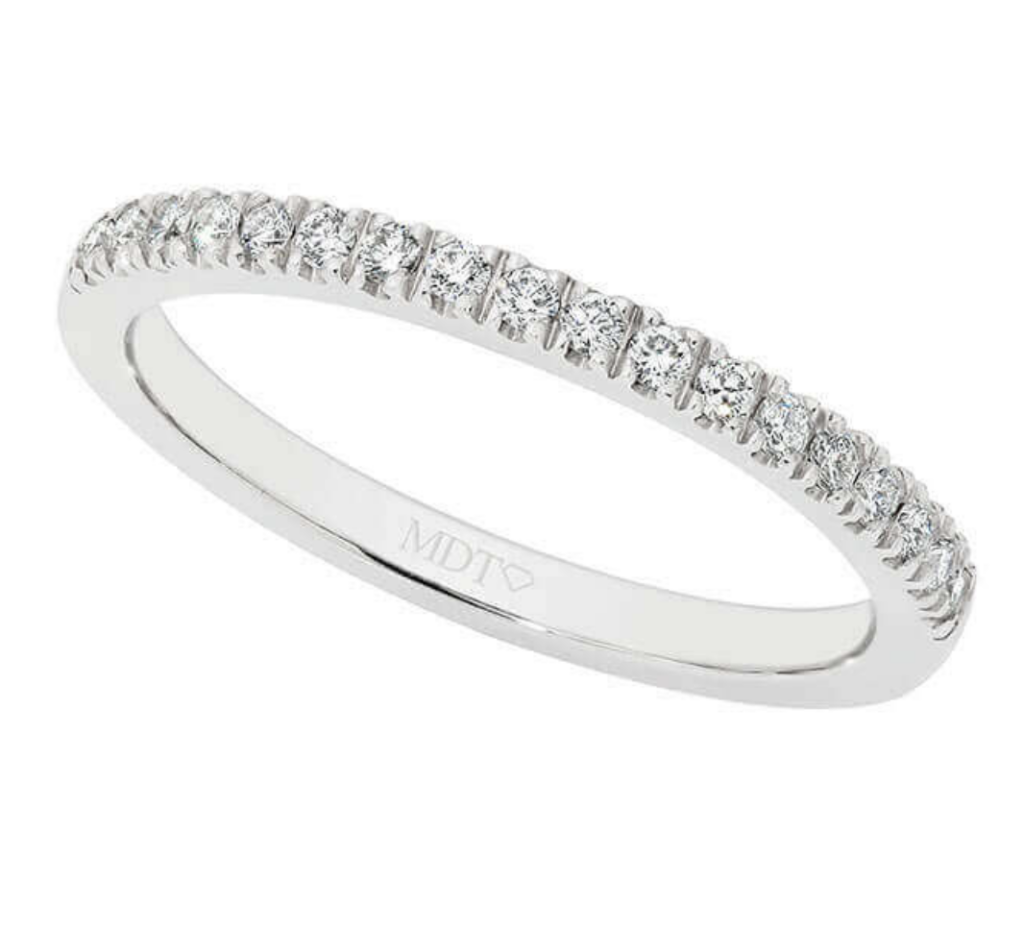
For couples who love matching designs, explore our LGBTQIA+ ring collection for inspiration, including diamond-set bands, traditional design, tension set designs, contemporary designs and contrasting gemstone combinations.

Complementary Engagement Rings: Can Two Individual Designs Work Together?
Complementary engagement rings offer a balanced option between matching design and completely individual expression.
This approach is especially useful when one person prefers traditional jewellery design while the other is drawn to something more contemporary, unconventional or understated. It often leans towards expression of individual style and personal inspiration.
Rather than either person having to compromise, in a design consultation Kosta usually begins by understanding what each person wants from their ring.
From there he looks for a common thread of design elements that can be incorporated into both engagement rings.
As an example; one may want a simple channel-set diamond band, while the other prefers a more elaborate custom engagement ring design.
If trying to achieve a complimentary aesthetic- the second design could incorporate a section of channel-set diamonds without it being the feature or main focus of the ring.
The result is two distinct rings connected through a shared details.
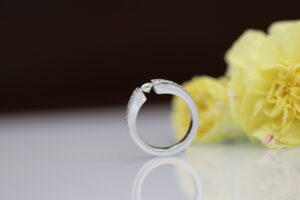
A channel setting secures gemstones between two parallel walls of precious metal, creating a clean, structured appearance. It’s one of several setting styles that can be incorporated into different designs to establish a subtle connection.
Five Examples of Ways to Connect Two Different Engagement Rings
1. Shared precious metals
Two rings can use the same metal, such as platinum or 18ct yellow gold, while utilising entirely different settings.
2. Different finishes
One partner may prefer a high-polish finish while the other chooses a matte, brushed or hammered surface. The shared metal colour connects the designs despite the contrasting textures they feature.
3. Coordinating gemstones
Diamonds of varying shapes can show individuality while maintaining a consistent appearance. Or, different gemstone colours can introduce contrast within a shared design.
4. Repeated setting details
A channel setting, bezel setting or particular arrangement of diamonds can appear in both rings, whilst the overall designs are different.
5. Shared proportions or design features
Similar band widths, side profiles or specifically repeated design details can create a link between two otherwise indivuidaul rings.
These connections don’t need to be obvious. Sometimes the smallest shared detail is the most meaningful.
A Real Couple’s Story: Matching Engagement Rings with Black and White Diamonds
One of Kosta’s experiences at MDT DESIGN demonstrates how bespoke design can resolve seemingly incompatible preferences.
A couple visited our Melbourne jewellery boutique wanting matching engagement rings.
One partner was drawn to the idea of incorporating diamonds. The other strongly disliked traditional white diamonds, finding their sparkle too flashy for his personal style.
At first, their different preferences seemed difficult to merge as they appeared to be on two ends of the taste spectrum.
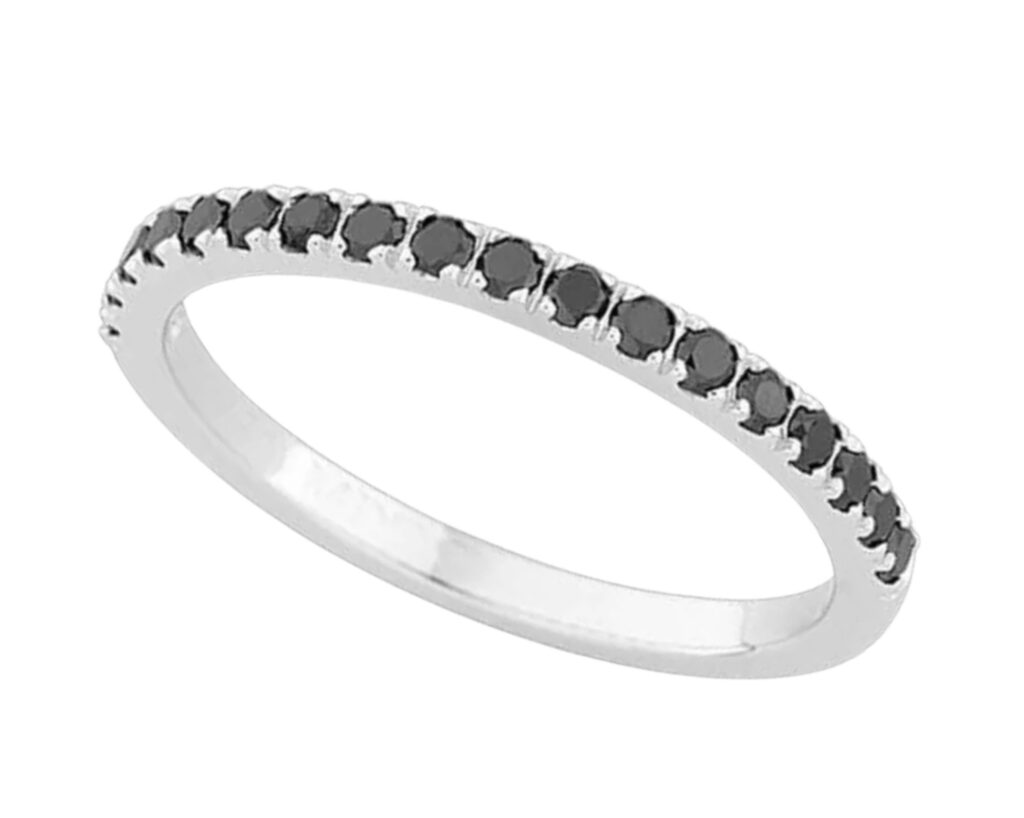
Rather than entirely abandoning the idea of matching diamond bands, Kosta introduced the second partner to black diamonds.
He hadn’t realised black diamonds were an option.
And unlike the brilliant, light-reflecting appearance typically associated with white diamonds, black diamonds are opaque and have a darker, more subtle presence.
The customer loved them.
This opened the possibility of using diamonds of the same shape in both rings, but with different colours to suit each person’s preferences.
One ring could feature traditional white diamonds, while the other incorporated black diamonds, allowing the couple to retain the matching design they originally wanted.
The experience illustrates an important part of custom jewellery design: sometimes the solution isn’t choosing between two different preferences, but discovering an option neither person had considered.
For Kosta, understanding what a customer dislikes can be just as useful as understanding what they love.
This also outlines the importance of sitting down with an expeirenced and understanding designers, rather that just a sales person. A consultation with the right expert will open up a world of ideas that you may have never considered, bringing to life a design that you never could imagine yourself, but ticking the boxes of everything you dreamed of in an engagement ring.
Can Two Completely Different Engagement Rings Still Be a Meaningful Pair?
Absolutely.
Not every couple wants matching gemstones, metals or settings. Some people have entirely different jewellery preferences, and neither should feel obligated to change their personal style for the sake of a matching design.
Kosta believes two very different rings can still feel connected when both are considered during the design process.
That connection might come through a subtle design detail, a shared engraving or a feature that has personal significance to the couple.
It might also be entirely symbolic.
Two rings don’t need to look alike to represent the same commitment.
For couples who prefer completely individual designs, our custom engagement ring design service allows each person to explore their own preferences while working with our Melbourne jewellers.
Whether the final pieces share visible similarities or not, both can be created with the same attention to personal meaning and craftsmanship.
Should Engagement Rings Be Masculine or Feminine?
Engagement rings are often divided into masculine and feminine categories, but those labels don’t need to determine what someone wears.
Some people prefer substantial bands and architectural shapes. Others love delicate settings, prominent diamonds or intricate detailing.
These are design preferences, not rules based on gender or sexuality. And from a fashion perspective, each and every design is approached as unisex. Fashion and design alike is about artistic self expression and it is up to the individual to customise that perspective themselves.
Kosta’s advice is to choose something you genuinely feel comfortable wearing.
An engagement ring is one of the most personal pieces of jewellery someone can own. It’s worn on your hand, often every day, and should reflect your own taste.
For some, that might be a more traditional engagement ring or diamond solitaire. For others, it might be a wide band, an unconventional gemstone or a contemporary design that doesn’t resemble a conventional engagement ring at all.
The best starting point is the individual, not the category the ring is marketed under.
What Should Couples Consider When Designing Two Engagement Rings for Everyday Wear?
While the look of the ring is important, Kosta educates and assists couples to carefully consider how their rings designs will be worn over the years.
Two designs may look beautiful together but have very different practical requirements.
This is why at MDT DESIGN we educate and guide our clients so there are no grey areas and you understand how to look after your individual design. This is also another reason why we entirely handmake our jewellery, it creates a stronger, more durable piece that performs better in your day to day life.
To learn more about the handmade jewellery process, read the article Handmade Engagement Rings vs Handcrafted Engagement Rings – What’s the Difference (and Why It Matters)?
Ring Height and Comfort
The height and profile of an engagement ring can influence how it feels during everyday activities.
Someone who works with their hands might opt for a lower-profile setting, to minimise knocks and sit more flush on the hand, while another person might be comfortable wearing a more proud diamond setting.
These considerations should be addressed individually, even when designing matching rings.
Our Engagement Ring Settings Guide explains how different settings influence a ring’s appearance, profile and suitability for everyday wear.
Will the Engagement Ring Be Worn with a Wedding Ring?
Another important thing to consider is if the engagement ring is intended to be worn with a wedding band beside it one day.
Some engagement ring designs allow a straight wedding ring to sit flush against them. Others require a fitted or contoured band to accommodate the centre setting.
Kosta recommends considering this during the initial design process rather than waiting until the wedding ring is needed.
Of course, couples may choose to wear their engagement and wedding rings on separate fingers, or even different hands.
For those planning to stack their rings, our guide on How to Choose a Wedding Ring That Fits Your Engagement Ring explores the differences between straight and fitted wedding bands.
More on Handmade Construction and Longevity
An engagement ring should be made for more than its appearance on the day of the proposal.
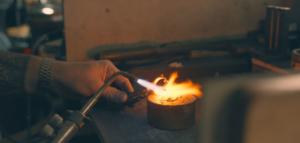
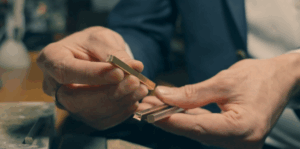
At MDT DESIGN, every ring is individually handmade in our on-site Melbourne workshop using traditional jewellery-making techniques.
Rather than casting rings from moulds, our jewellers forge, shape and assemble precious metals by hand, allowing close control over the construction and proportions of each piece.
For Kosta, the way a ring is made is particularly important when it will be worn every day for decades.
Learn more about the manufacturing processes of modern jewellery in his article, Handmade vs Cast Jewellery: Why the Difference Matters.
Creating Your Own Engagement and Wedding Ring Traditions
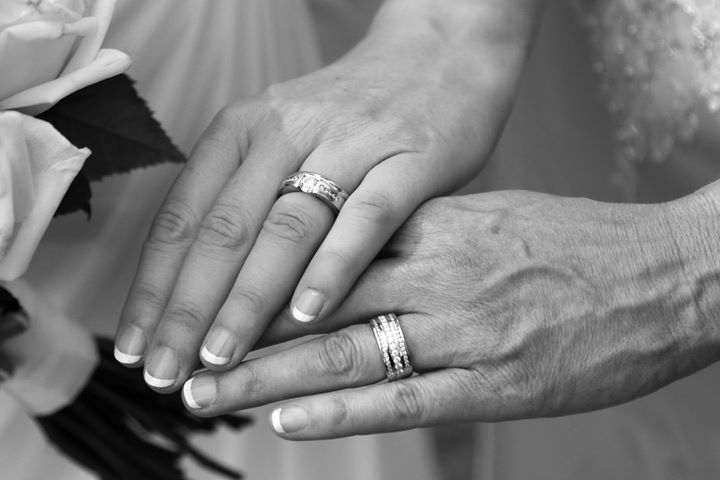
Engagement and wedding traditions throughout time have evolved a lot, and couples continue to reinterpret and rewrite their own story about what these milestones mean to them.
Since beginning his jewellery apprenticeship in late 2003 Kosta has witnessed this first hand.
Throughout the years, he has seen more and more couples move away from conventional expectations around how rings should be worn and develop their own sentiment and traditions upon beginning their new life together- some may say that creating your own individual tradition holds more meaning as it represents your own individual and unique love.
Engagement rings, wedding bands and eternity rings are no longer having to be worn together on the same finger. Some choose different fingers, others prefer completely different expressions.
These changes reflect something much bigger than jewellery trends.
Couples are growing more comfortable to decide which traditions hold meaning to them and in turn creating their own tradition where existing ones don’t quite fit.
There is no obligation to follow a particular proposal format, exchange a certain number of rings or wear jewellery in a predetermined way.
A couple’s traditions can be as individual as their relationship, and that is beautiful.
Whether that means exchanging matching engagement rings, choosing entirely different designs or celebrating a commitment without rings at all, what matters is the shared meaning behind your decision.
Kosta’s Advice: Choose Personal Meaning Over Passing Trends
With more than two decades of jewellery-making experience, Kosta has seen engagement ring fashions come and go.
His advice to couples choosing two engagement rings is to avoid making decisions based solely on what’s fashionable.
Trends change, but an engagement ring is intended to remain meaningful long after a particular trend has faded.
That doesn’t mean every ring needs to be traditional or understated.
An unconventional design can be just as enduring as a classic solitaire when it genuinely reflects the individual who is wearing it.
The distinction is between choosing something because it’s popular and choosing something because it’s personally meaningful.
Ultimately, Kosta encourages couples to create rings that feel truly their own.

Designing Matching or Complementary Engagement Rings at MDT DESIGN
At MDT DESIGN, we believe the best engagement rings are designed for the people who will wear them.
Our family-owned jewellery studio, established in 1981, specialises in individually handmade engagement rings, wedding bands and custom jewellery, created within our on-site workshop at 348 Collins Street, Melbourne.
Whether you’re considering matching diamond bands, complementary designs or two completely individual engagement rings, our jewellers can help you explore the possibilities.
Whether that be the choice between different shaped diamonds, to matching metals, individual ring finishings and the type of settings, each and every detail can be selected with your individual personal style and long-term wear in mind.
Explore our custom-made engagement rings for inspiration, or contact our Melbourne jewellery team to discuss your own designs.
Because two people don’t need identical rings to share a commitment.
Your rings can be as individual as you are, and as connected as you choose them to be.
Frequently Asked Questions About LGBTQIA+ Engagement Ring Designs
Do same-sex couples usually choose matching engagement rings?
Sometimes, but there is no universal rule or standard preference. In Kosta Theochari’s experience at MDT DESIGN, commonly- same-sex couples who want two matching rings prefer a similar overall style with small contrasting differences, for example; varying diamond shapes, gemstone colours, metal colour or metal finishes. Others might opt for completely individual engagement ring designs.
Can two engagement rings match without being identical?
Certainly. Two rings can share design elements such as; gemstone shape/colour, band profile, precious metal, setting style or engraving whilst existing in a essentially entirely different design. These shared details create a visual link to one another without needing to be identical.
Can one engagement ring have diamonds while the other doesn’t?
Of course. It is up to the individual and the individual couple. One may prefer a ring that features diamonds, while the other chooses a plain band or a different gemstone to feature. If the couple wants the rings to complement one another, shared metals, finishes or design details can create that connection.
Do LGBTQIA+ couples need to exchange two engagement rings?
No. Couples can choose one engagement ring, two engagement rings, wedding rings only or another sentiment entirely. There are no rules governing who proposes, who wears a ring or how a couple chooses to celebrate their commitment. It is up to the individuals to create their own meaning in the tradition that feels right to them, which often holds more meaning that following a set idea of what tradition is.
Can matching engagement rings be customised for different lifestyles?
Yes. Matching or complementary designs can be adjusted for different finger sizes, band widths, setting heights and everyday activities. A skilled jeweller and designer will assist you in creating a shared design, all the while ensuring each ring suits its wearer.
Where can couples design matching or complementary engagement rings in Melbourne?
MDT DESIGN offers custom engagement ring design and traditional handmade jewellery manufacturing at its Collins Street boutique and workshop in Melbourne’s CBD. Couples can work directly with experienced jewellers and designers o create matching, complementary or individual designs.