Platinum
Rare Strength and Pure Luxury with Platinum
Platinum is one of the most prestigious metals in the world – rarer than gold, denser in weight, and naturally white in colour. Its superior strength makes platinum the ultimate choice for securely setting diamonds, while its purity ensures it is hypoallergenic and suitable for sensitive skin.
Unlike white gold, platinum does not require plating and its natural whiteness never fades. Its density gives jewellery a substantial feel, a tangible sense of luxury that clients love.
The Benefits of Platinum
- Unmatched durability – ideal for lifelong wear.
- Naturally white lustre – retains colour without fading.
- Rarity – a precious metal thirty times rarer than gold.
- Prestige – the ultimate choice for luxury jewellery.
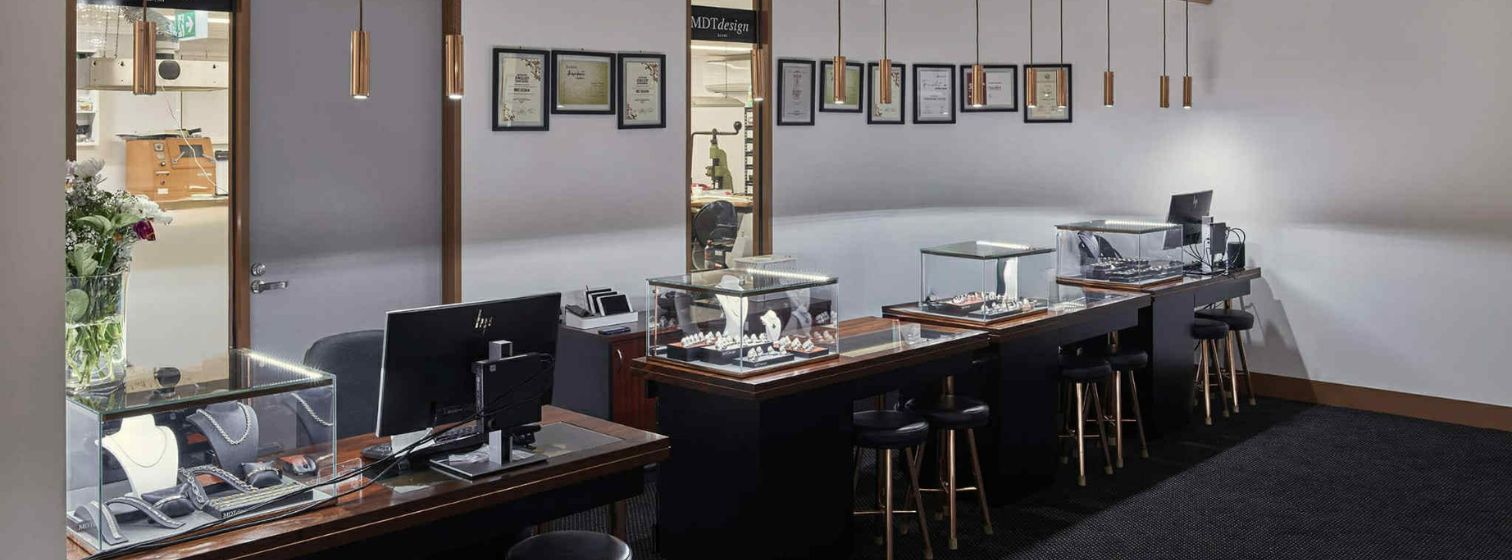
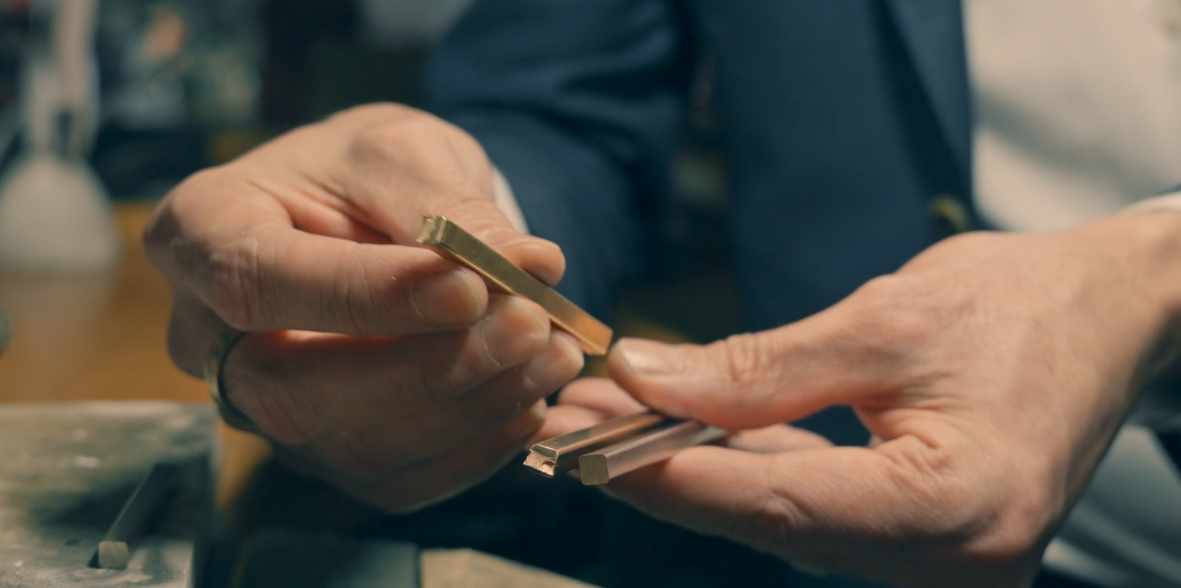
At MDT DESIGN, platinum is forged and worked by hand in our Collins Street workshop to ensure durability and beauty. Every setting is meticulously engineered to provide security, strength, and timeless elegance.
Platinum’s rarity and resilience make it the ultimate choice for generations. At MDT DESIGN, our jewellers entirely handmake platinum pieces that embody both strength and elegance, creating heirlooms without compromise.
Explore our platinum engagement rings, browse our platinum wedding bands, or contact our team to begin designing your own bespoke piece.
Frequently Asked Questions – Platinum
1. What makes platinum different from gold or other precious metals?
Platinum is a naturally white metal that is denser and rarer than gold. Unlike white gold, it does not require rhodium plating to maintain its colour, it is naturally white. Its strength and purity (typically 95% pure in fine jewellery) make it ideal for engagement rings and heirloom pieces crafted in Melbourne.
2. Is platinum jewellery hypoallergenic and suitable for sensitive skin?
Yes. Platinum is naturally hypoallergenic and contains very few alloy metals, making it an excellent choice for people with sensitive skin or metal allergies.
3. Why is platinum more expensive than gold?
Platinum is rarer than gold, mined in smaller quantities, and heavier in weight. Its density means more metal is used in each ring, which contributes to its higher price.
4. How long does platinum jewellery last compared with white or yellow gold?
Platinum is extremely durable and resistant to wear. It does not lose metal over time – instead, it develops a natural patina. With proper care, platinum jewellery can last generations.
5. Do platinum rings require special care or maintenance?
Platinum requires minimal maintenance. Occasional professional polishing in Melbourne will restore shine, but many clients appreciate the soft patina that develops naturally.
6. Is platinum a good choice for engagement rings and wedding bands?
Yes. Platinum’s strength makes it ideal for securely holding diamonds and gemstones, which is why it’s a popular choice for Melbourne engagement rings.
7. Can platinum tarnish or change colour over time?
Platinum does not tarnish. It may develop a soft matte patina, but its colour remains naturally white.
8. How does platinum’s weight compare to other metals?
Platinum is significantly heavier than gold, giving it a substantial, premium feel.
9. Are platinum hallmarks important in Australia?
Yes. Hallmarks indicate metal purity (e.g., PT950), providing assurance of quality when purchasing fine jewellery in Melbourne.
10. What should I consider when choosing platinum for custom jewellery?
Consider lifestyle, budget, and desired finish. Platinum is ideal for daily-wear rings and custom designs requiring long-term durability.