15 Engagement Ring Buying Mistakes to Avoid Before You Buy
Don’t let these common engagement ring buying mistakes turn one of life’s most exciting purchases into an expensive disappointment.
Buying an engagement ring can be one of the most significant purchases you may ever make. It represents your love, your story together and, ideally, should be something that can be treasured for the generations to come.
Yet many couples focus most of their attention on the size of the diamond or the appearance of the ring. They can overlook important factors that have a much bigger impact on how the ring not only looks but lasts over time.
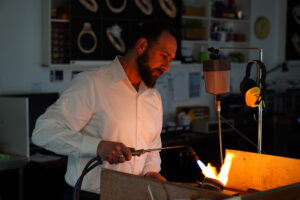
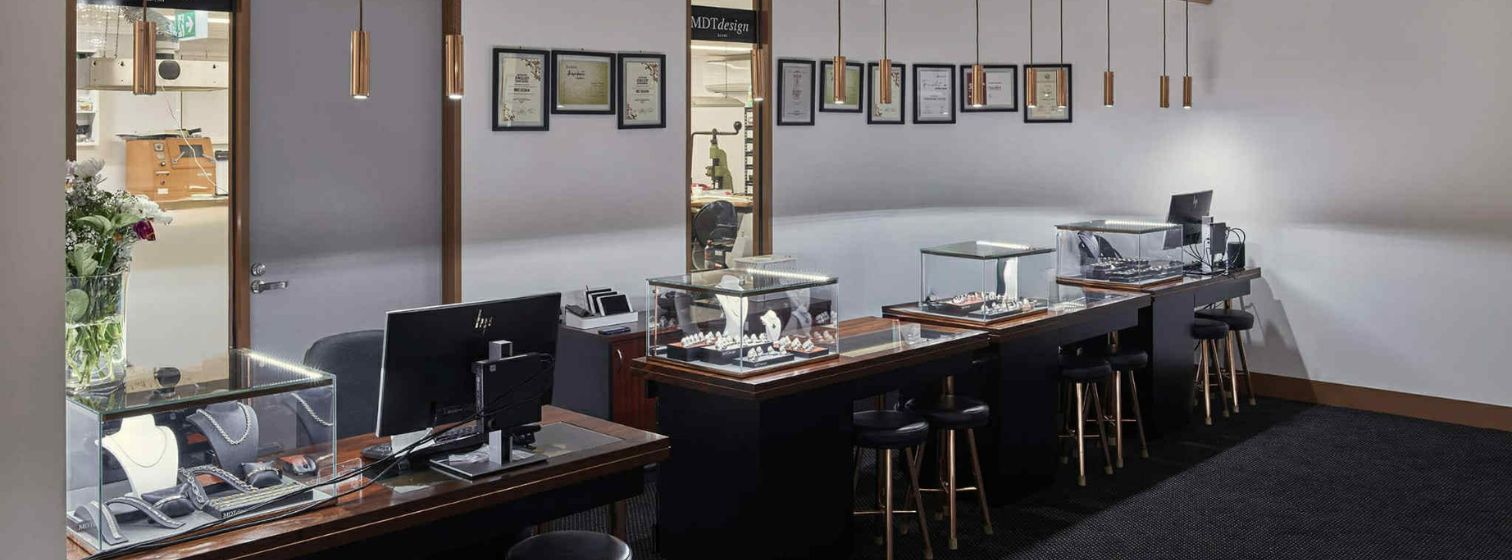
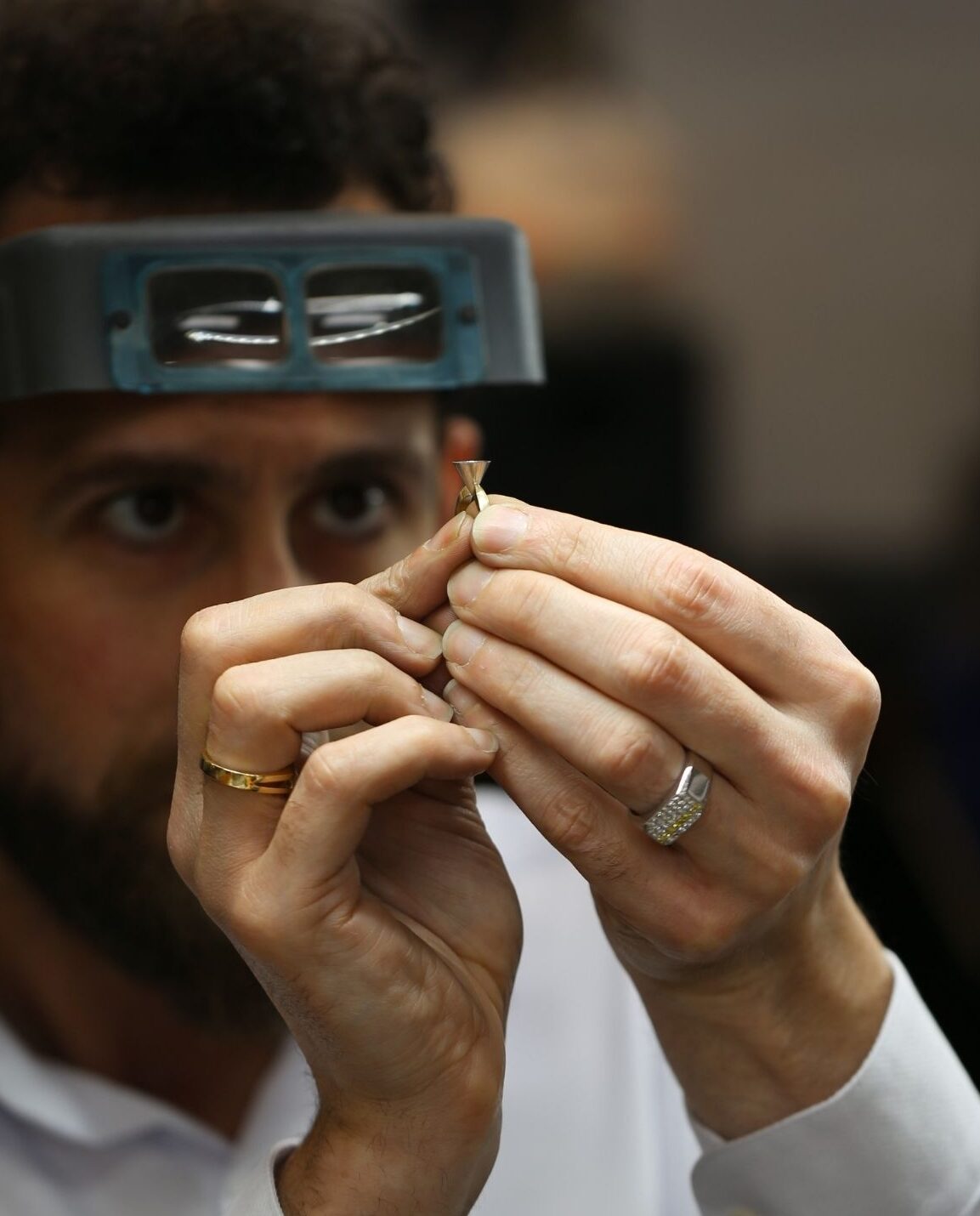
At MDT DESIGN, we’ve been designing and manufacturing handmade engagement rings on-site in Melbourne for decades. Having our workshop on-site has allowed us to repair thousands of engagement rings made by other jewellers and have seen first-hand what causes rings to wear prematurely, lose stones or require costly repairs.
The good news is that these mistakes are almost entirely avoidable.
Here are the 15 biggest engagement ring buying mistakes and how to avoid them.
1. Buying a Mass-Produced Ring Instead of a Handmade Ring
This is, without question, the biggest mistake we see.
Many engagement rings sold today are designed on computer in CAD software, the design is then 3D printed, a mould is made and then metal is simply poured in to make for a cast piece. These rings are often marketed as “handcrafted” a jeweller has had to clean up the ring and set the stones in, despite being largely machine-made. While there is nothing inherently wrong with the casting process, it simply doesn’t produce the same strength, longevity or hardness in the metal when compared to a ring that has been entirely handmade by an experienced jeweller.
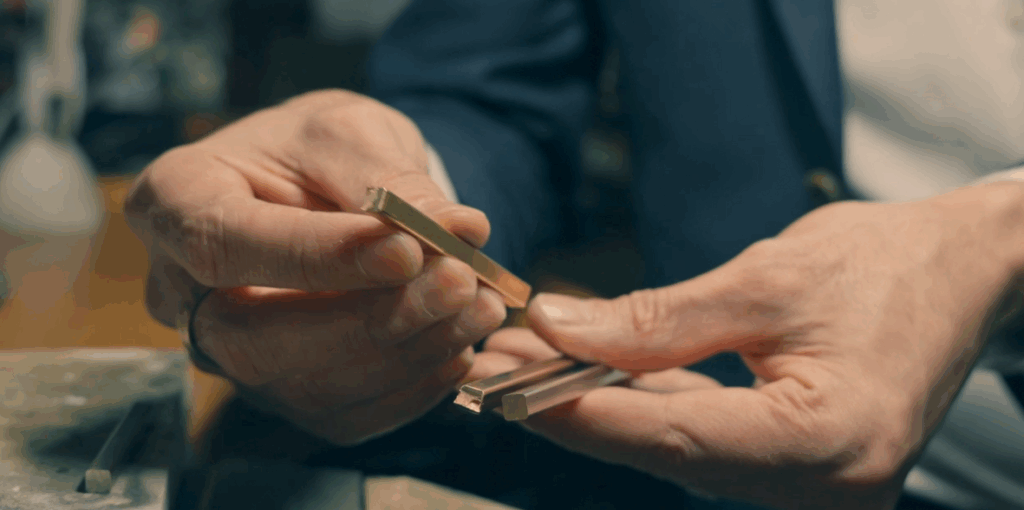
A handmade engagement ring starts as a solid precious metal, which is then rolled, forged and work hardened throughout the crafting process. As the metal is being compacted, this creates a denser, stronger structure that is significantly harder and more resistant to wear over time.
By comparison, a cast ring can be more porous as there can be air bubbles trapped in the metal and makes for a softer metal. This means that claws may wear faster, claws can move, settings can become looser sooner, and repairs may be required earlier in the ring’s life.
If you’re buying an engagement ring to celebrate a lifetime together, it only makes sense to invest in something made for you, to last a lifetime as well.
Many of our handmade rings have the strength in them to become family heirlooms and can be passed down through generations.
Kosta’s Expert Jeweller Tip
Don’t be afraid to ask the jeweller how the ring is made. A very specifically worded question like: “Is this ring completely handmade, or is it designed in CAD and cast?” can lead you to find it’s true style of make. As sales people can often be fast and loose with the ‘handmade’ or ‘handcrafted’ terminology.
The answer to this can tell you a lot about how the ring was actually made, the knowledge of the person selling you the ring and how it’s likely to perform over the coming decades.
2. Choosing Style Over Everyday Practicality
An engagement ring should be beautiful, but it also needs to suit you and your lifestyle.
A high setting although may make the appearance of a diamond look larger, it can also catch on clothing, gloves and become cumbersome.
Likewise, extremely fine delicate claws may look elegant and keep the focus solely on the diamond, but this can lead to faster wear and the need to rebuild those claws quicker than necessary.
A well-designed engagement ring should balance elegance with strength.
Kosta’s Expert Jeweller Tip
When choosing a design, think about what your partner does throughout their days and for work, not just how the ring looks. Practicality is key!
3. Shopping Only by Diamond Carat Weight
The first question many people ask is:
“How many carats is it?”
While carat weight is important, it is only one part of a diamond’s beauty.
The four Cs are:
Cut
Colour
Clarity
Carat Weight
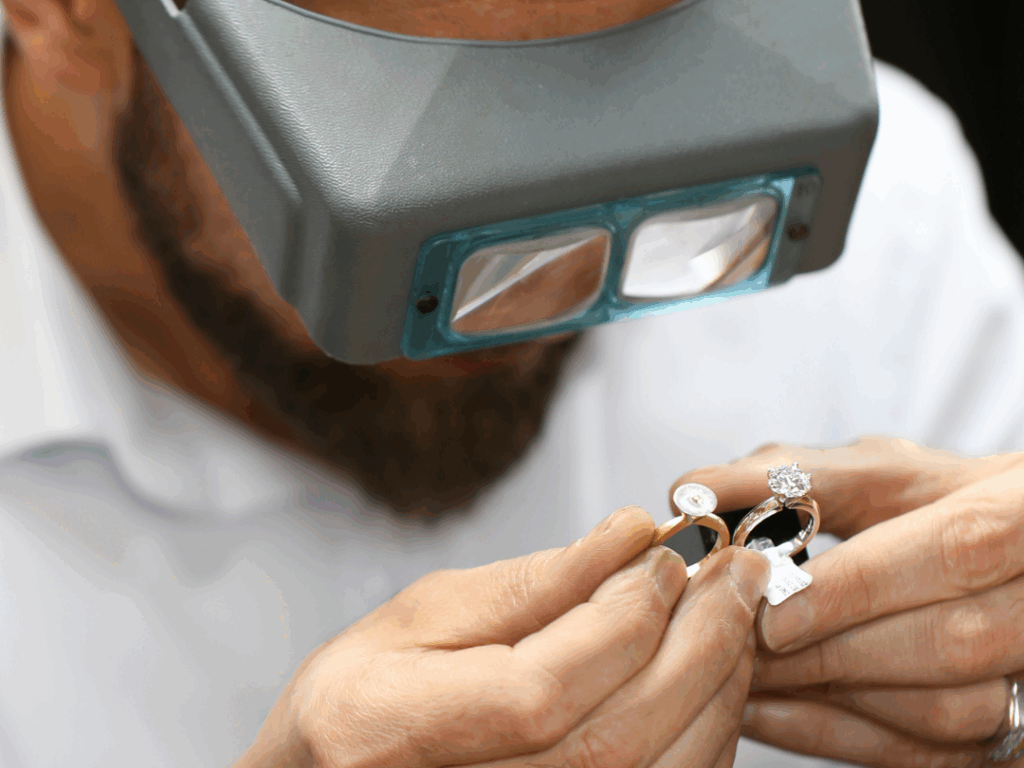
As carat weight is exactly that, a weight, two diamonds with exactly the same carat weight can look dramatically different depending on how well they are cut. A shallower stone may present larger from the top while a deeper stone will look smaller.
A beautifully proportioned 1.00ct diamond can appear brighter and often even larger than a poorly cut 1.20ct diamond.
Kosta’s Expert Jeweller Tip
Always prioritise diamonds cut quality before chasing extra size. After all, diamonds are desired for their lustre and brightness!
4. Ignoring Diamond Cut Quality
If there is one characteristic that affects a diamond’s beauty more than any other, it’s cut quality. This is not referring to the shape of the stone, but to how well that shape is cut. Each facet should be correctly angled to reflect light.
Excellent cut diamonds will bring in light through the top of the stone, bounce through the stone to reflect light back through the top creating maximum brilliance and sparkle.
Poorly cut diamonds will leak light through the sides and bottom, making them appear dull especially when dirty.
Even people with no diamond or jewellery experience can usually notice the difference immediately when the diamonds are viewed side by side.
Kosta’s Expert Jeweller Tip
Never buy a diamond from its certificate alone. Always view the diamond when possible.
5. Paying for Clarity You Can’t Actually See
When it comes to diamond clarity, many buyers assume they need a VVS2 to flawless clarity diamond for it to be beautiful.
The reality is quite different.
When chosen correctly, inclusions found in VS clarity and even many SI clarity diamonds cannot be seen to the naked eye without magnification.
Rather than paying far more for a diamond with microscopic differences not noticed to the eye, many buyers achieve much better value by selecting an eye-clean diamond VS or SI graded diamond.
Kosta’s Expert Diamond Graders Tip
Spend your budget on thing’s you’ll actually notice the difference with.
6. Buying a Diamond Without an Expert Selecting It
A diamond certificate or grading report will provide valuable information, but it doesn’t tell the full story.
Two diamonds with identical looking certification can have a noticeably different personality.
Factors such as light performance, transparency, fluorescence, inclusion placement and type will change the overall look considerably and there can be large price differences between the 2.
This is why an experienced diamond grader should physically inspect each and every diamond rather than relying solely on certificates and paperwork.
Kosta’s Expert Diamond Graders Tip
Ask your jeweller why they selected a particular physical diamond (not just what the certificate states)
7. Forgetting About the Wedding Ring
Many couples are so excited to get engaged they don’t stop to think about the wedding ring until it’s too late.
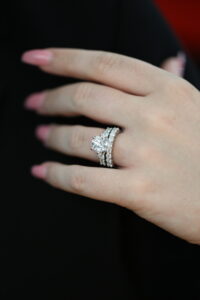
Unfortunately, some engagement rings may not be able to have a wedding band sit flush against them and may require a specially shaped wedding band to sit neatly alongside it. This will affect the look of your rings after all; you will be wearing the engagement ring paired with the wedding band a lot longer than you will solely wear the engagement ring.
Consider both rings being worn together during the design stage, this can help ensure the overall look of the piece is exactly what you are wanting and avoid expensive surprises when it comes to wedding band selection.
Kosta’s Expert Jeweller Tip
Ask to see how a wedding band will sit next to the engagement ring before confirming your rings design.
8. Choosing the Wrong Precious Metal
Each precious metal will offer different benefits.
Platinum is naturally white, dense and exceptionally durable, often chosen over 18ct white gold.
With its’s 75% gold purity, 18ct Gold’s offer a rich colour and is available in yellow, white and rose gold.
With its 37.5% gold purity, 9ct Gold can provide a lighter tone and a more affordable price point.
Kosta’s Expert Jeweller Tip
Don’t choose a metal based on the colour alone, you need to consider long-term wear and upkeep too.
9. Buying the Cheapest Engagement Ring You Can Find
It is clearly understood that everyone has a budget they need to try and stick to.
However, buying purely based on cost often will lead to disappointment, if not now, later down the track.
Lower-quality manufacturing methods like casting can result in claws and settings wearing quicker making diamonds become loose or fall out. This leads to repairs having to be done far sooner than expected and if the base structure of the ring is not there, a remake may be needed.
The cheapest ring today may end up becoming the most expensive ring over the next twenty years. Buy once and buy right!
Kosta’s Expert Jeweller Tip
Think about the value over decades, not just at the time of purchase.
10. Guessing the Ring Size
Guessing the perfect ring size is always a difficult task, when somebody wants to surprised their loved one, as nobody wants the proposal interrupted because the ring won’t fit, especially if it is too small and will not even get onto the ring finger.
If possible, discreetly borrow a ring your partner already wears to get the size from or ask friends or family for help getting the size.
Keep in mind that a wider ring will fit more tightly than narrow ring. a band with comfort-fit or rounded inside edge may also feel larger. A good Jeweller should be able to determine what would be close to a good fit in that particular style and width.
Kosta’s Expert Jeweller Tip
At MDT DESIGN, we have many different sets of ring sizing kits each with different-width, and with/without a comfort fit. This helps us achieve the most accurate size possible. We also offer 2 complimentary resizes within the first year of purchase to ensure the perfect fit.
11. Not Asking About Aftercare
Every engagement ring will benefit from regular checks and inspections.
Claws and the band will naturally wear over time, particularly if the ring is worn every day.
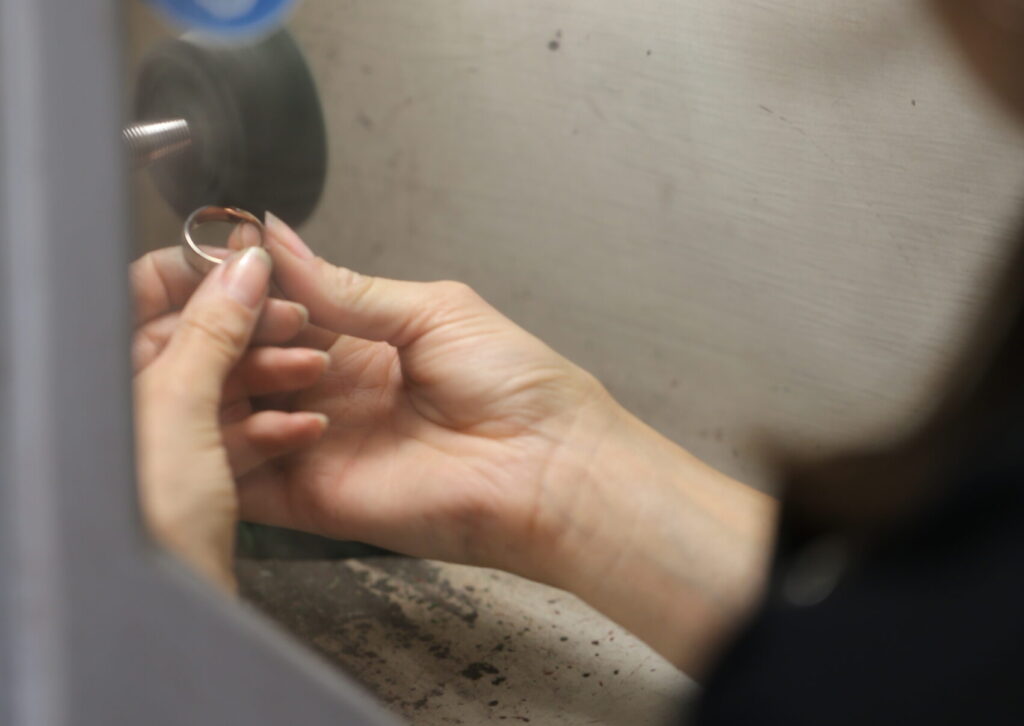
Routine cleaning, checking and servicing can allow minor issues to be repaired before they become a costly major one.
Always ask about:
Complimentary inspections and checking
Cleaning
Rhodium plating (if in white gold)
Polishing
Warranty
Future Resizing
Long-term servicing
Kosta’s Expert Jeweller’s Tip
A quick clean and inspection every year can prevent the heartbreak of losing a diamond, this is why we at MDT DESIGN offer a complimentary jewellery servicing once a year for all of our pieces.
12. Not Understanding the Difference Between Natural and Lab-Grown Diamonds
Both natural and lab-grown diamonds are real diamonds as they have the same chemical composition and physical properties.
However, these man-made diamonds differ significantly in rarity, long-term market value and resale value.
Understanding the difference will allow you to choose the option that best suits your priorities.
Kosta Expert Jeweller’s Tip
Ask your jeweller to explain the advantages and disadvantages of both options rather than recommending only one.
13. Buying from Someone Who Can’t Service the Ring
Some retailers simply just sell jewellery; they do not make it.
Some manufacture and repair it, but they are not retailer and do not sell it.
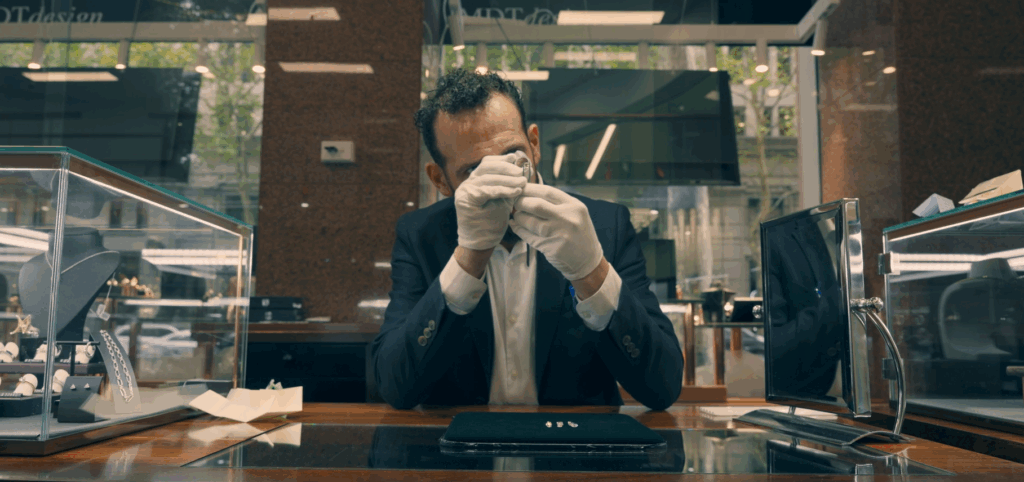
Buying from a local jeweller with an on-site workshop means the people who made your ring can also maintain it.
This leads to better long-term care and a more personalised service.
Kosta’s Expert Jeweller Tip
Ask where the ring will be made, repaired and resizing are carried out. Often a jewellery stone does not have their own workshop and will subcontract their work out to a manufacturing wholesale. A real local jeweller with an on-site workshop often comes with greater accountability and quality control.
14. Choosing a Jeweller Based Only on Online Reviews
Reviews are an important indicator of a customer satisfaction, but they shouldn’t be your only consideration. Be sure to read the reviews of what the clients are saying. A review that says “amazing pricing” holds less weight than one that says “I’ve had my ring over 20 years and still going strong”.
Also look for:
When the company was established
Manufacturing methods – Handmade or handcrafted
Jeweller’s qualifications
Warranty’s if any
After-sales service
Examples of previous work
Whether the jewellery is made on-site or outsourced.
A jeweller who will take the time to educate you, not pressure you, is usually worth considering.
Kosta’s Expert Jeweller Tip
A good jeweller has the ability to can answer your questions and explain why they recommend certain options, rather than simply trying to close a sale.
15. Rushing the Decision
Perhaps the biggest mistake of all is feeling pressured to buy quickly.
An engagement ring isn’t an impulse purchase.
You should take the time to compare designs, understand the differences in diamonds, consider manufacturing style and quality, and choose a jeweller you can trust.
Kosta’s Expert Jeweller Tip
The best engagement ring design isn’t necessarily the biggest or the most expensive, it’s the one that has been thoughtfully chosen and beautifully handmade.
Regardless of the style or price, selecting the right engagement ring for you is an important decision and the person selling it to you needs to understand this and proceed with patience.
Choose a Ring That’s Made to Last a Lifetime
An engagement ring should be more than just beautiful. It should be built to stand the test of time!
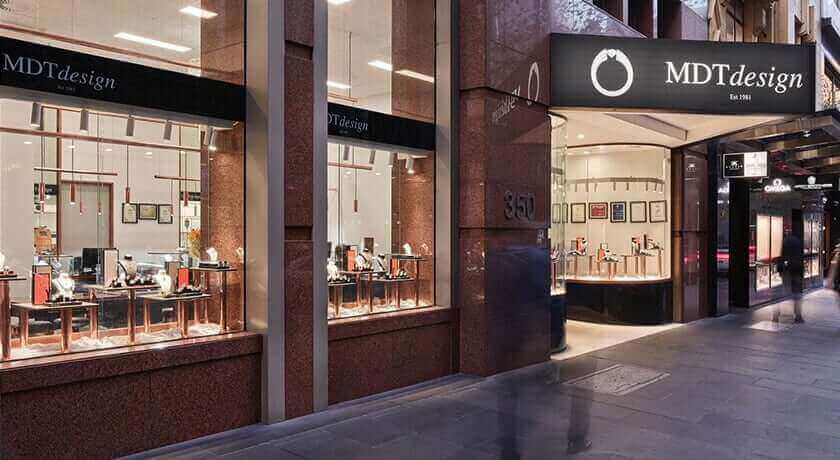
At MDT DESIGN, every engagement ring is individually handmade in our on-site Melbourne workshop using traditional jewellery-making techniques rather than cast mass-production methods. From the selection of exceptional natural and lab-grown diamonds through to the making of each setting and ring by hand, our focus is on creating jewellery that is as durable as it is beautiful.
Whether you’re just beginning your search or already have an engagement ring design in mind, working with an experienced qualified jeweller can help you avoid costly mistakes. Be sure to ensure your ring is a lasting symbol of your love and commitment. One that can be worn every day and, one day, passed on to the next generation.
Frequently Asked Questions
What is the biggest mistake people make when buying an engagement ring?
Choosing a ring based solely on its price without considering how it was made. A well-made handmade ring is stronger, more durable and better suited to everyday wear than many cast mass-produced pieces.
Are handmade engagement rings stronger than cast rings?
Generally, yes. Handmade rings are created by hand, they are forging and work-hardening from solid precious metal, which can produce a denser and stronger structure than a cast ring. This often will result in an improved durability and longevity.
Is CAD the same as handmade jewellery?
No. CAD (Computer-Aided Design) is a digital design process that is commonly followed by casting and mas producing the ring. Handmade jewellery is fabricated by a jeweller from solid precious metal using traditional techniques. While both methods have their place, they are fundamentally different manufacturing processes and will lead to different qualities and costing.
Which of the Four Cs is the most important?
While all four Cs matter, cut is often considered the most important as it has the greatest influence on a diamond’s brilliance and sparkle.
Should I buy a natural or lab-grown diamond?
Both of these are genuine diamonds. The right choice can depend on your budget, preferences and priorities regarding rarity, long-term value and origin.
How long does it take to make a custom engagement ring?
Most handmade custom engagement rings take approximately 4–6 weeks to complete, although more intricate designs and stone sourcing may require additional time.
Can engagement rings be resized?
Most engagement rings can be resized, although this can depend on the design and the metal it is made out of. At MDT DESIGN, all engagement rings include two complimentary resizes within the first year, helping ensure the perfect fit after your proposal.
Why should I buy from a jeweller with an on-site workshop?
An on-site jewellery workshop will allow the same experienced team to design, manufacture, resize and maintain your ring throughout its life. This provides much greater quality control, accountability and continuity of care than retailers who outsource manufacturing and repairs.