The Grand Condé Pink Diamond: A Century-Old Theft and an Extraordinary Return
Some diamonds are renowned and famous due to their size. Some diamonds gain attention for the colour they hold.
The Grand Condé pink diamond has both, as well as a tale of theft that involves the diamond being hidden in place few people would think to search: an apple.
A century after this famous pink diamond was stolen from France’s Château de Chantilly, the historic gemstone is now back on public display.
The exhibition, The Pink Diamond, premiere on the 17 October 2026 and will continue until 3 January 2027 at the château’s Musée Condé.
For jewellery lovers and historians, the exhibit merges the appeal of an exceptional gemstone, the intrigue of its disappearance and the technical side, delving into the science that assists researchers in understanding it.
What is the Grand Condé pink diamond?
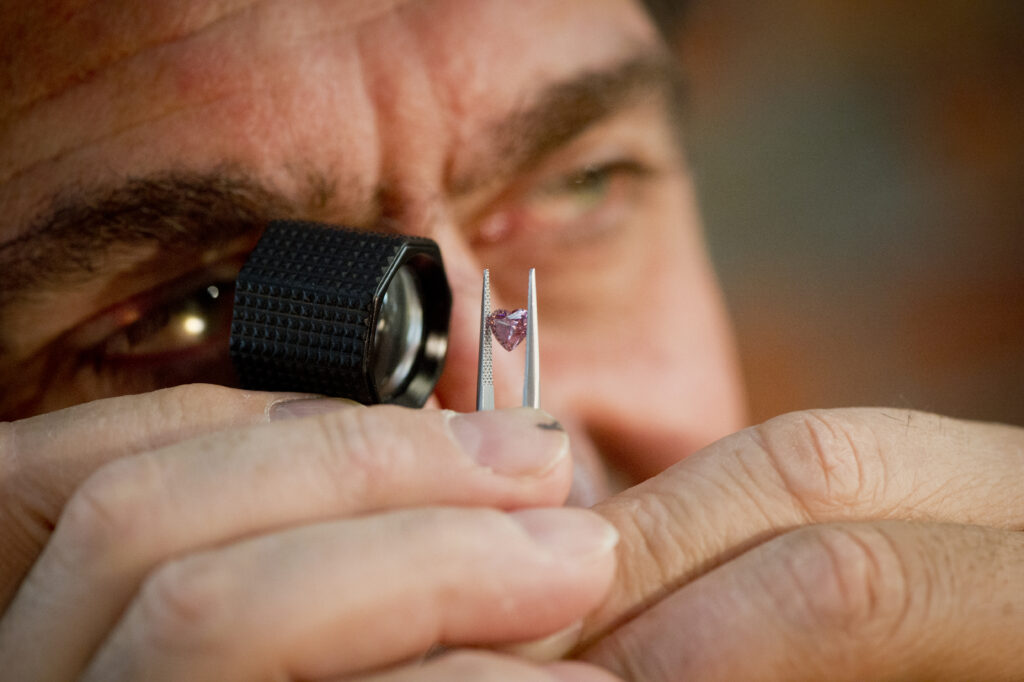
Known as the Grand Condé, this legendary and historic pink diamond weighs in excess of nine carats.
With its presence in the collections of the Princes of Condé being documented from as early as the 18th century.
The significance of this gemstone extends far beyond its size.
The exhibition organisers attribute both its unusual colour and its provenance and the history of its ownership as reasons for its sheer importance.
Stolen from a château, recovered inside an apple
In October of 1926, the Grand Condé was stolen from the Château de Chantilly. It was discovered shortly afterwards, concealed inside an apple.
That unlikely hiding place is confirmed by both the château and its exhibition partner, L’ÉCOLE, School of Jewellery Arts. It is an extraordinary detail in a story that might otherwise have ended with the permanent disappearance of a historic jewel.
The theft and recovery provides a very interesting introduction to the diamond’s wider history. Those who visit the exhibit can experience the gemstone as both a natural object and a survivor of a very human story.
A new exhibition brings history and gemmology together
The exhibition is a partnership between the Musée Condé and L’ÉCOLE, School of Jewelry Arts, supported by Van Cleef & Arpels.
Alongside the return to public display, the organisations have undertaken a research project combining historical investigation with gemmological analysis. The curators are Mathieu Deldicque, director of the Musée Condé, and Marie-Laure Cassius-Duranton, an art historian and gemmologist at L’ÉCOLE.
Research from archives can assist to establish a diamond’s documented journey while scientific examination investigates the material itself. Together, this offers an understanding of the bigger picture.
Why are pink diamonds pink?
The Grand Condé also raises an intriguing question many people ask when they first encounter a pink diamond: where does the colour come from?
According to research from the Gemological Institute of America (GIA), the colour in most natural pink diamonds is associated with distortion of the diamond’s crystal structure, known as plastic deformation. These structural changes affect the way the diamond absorbs light.
The science remains complex. GIA states that, although the relationship with deformation is well established for most pink diamonds, the precise atomic structure of the colour-producing defect is still not fully understood.
That explanation concerns pink diamonds generally and should not be taken as a confirmed detail of the Grand Condé specifically.

What pink diamond lovers can take from the story
You do not need a colossal sized gemstone to be able to appreciate the appeal of pink diamonds.
For people considering pink diamond jewellery, the Grand Condé’s story offers a useful starting point and insight, a place to ask questions and understand the individual stone, in turn understanding that each individual stone has its own story and unique attributes.
When looking for a pink diamond of your own; colour, shape and the specific design you choose all deserve consideration and care, as does any accompanying documentation.
Diamond reports can help to distinguish natural colour from synthetic colour/ colour that is produced by treatment and can also describe the diamond’s colour grade.
When exploring a custom pink diamond ring for you, helpful questions can include:
- Is the diamond natural or lab-grown?
- Is its colour natural or the result of treatment?
- What documentation accompanies it?
- How does it look in different lighting conditions?
- How will the setting and design complement its colour and proportions?
Discover pink diamond jewellery at MDT DESIGN
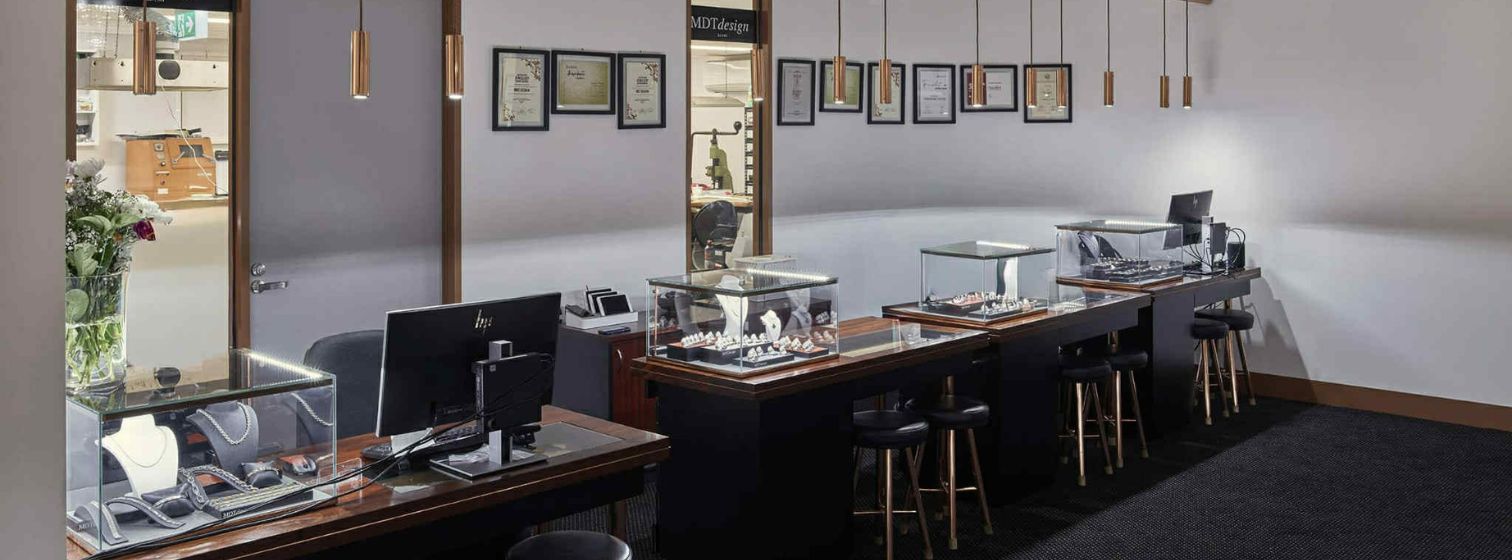
At MDT DESIGN, our fascination with gemstones extends from historic treasures to the personal pieces we create in our Melbourne workshop.
Our pink diamond engagement rings offer an opportunity to explore different shapes, colours and handmade designs. Our collection includes Argyle pink diamonds, with loose stones and finished rings available to discuss with our team. Handmade Perfection
The Grand Condé derives from a remarkable chapter of jewellery history.
A ring chosen or created individually for you commences an entirely different kind of story-one shaped by your own style and sentiment.
Contact MDT DESIGN to learn more about pink diamonds, and speak with an expert about the perfect handmade design, at our Collins Street boutique and workshop.
Read more about The Most Expensive Diamonds in the World