Can You Reuse Gold from Old Jewellery to Make a New Ring? A Jeweller Explains
If you have inherited any gold rings, have broken jewellery sitting in a drawer, or own pieces you simply no longer wear, you might be wondering whether that gold can be melted down and transformed into something new.
The answer is yes; in many cases you can reuse any old gold you have to make a new ring or piece of jewellery. However, not all gold is suitable for remelting, and sometimes using fresh metal is the better option both short and long term.
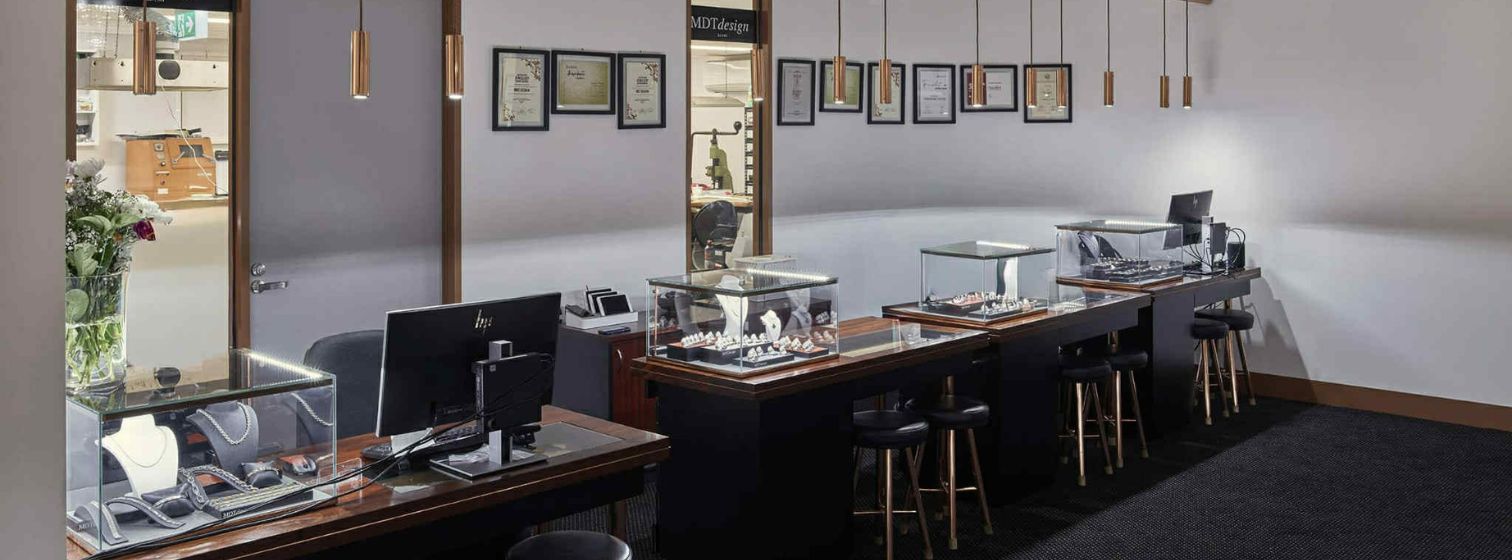
At MDT DESIGN, we regularly remake and redesign jewellery in our on-site Melbourne workshop. As a jeweller with more than 20 years of experience, I’ve seen firsthand how meaningful it can be to transform an old jewellery piece into something you’ll love wearing.

Can Old Gold Be Melted Down and Made into a New Ring?
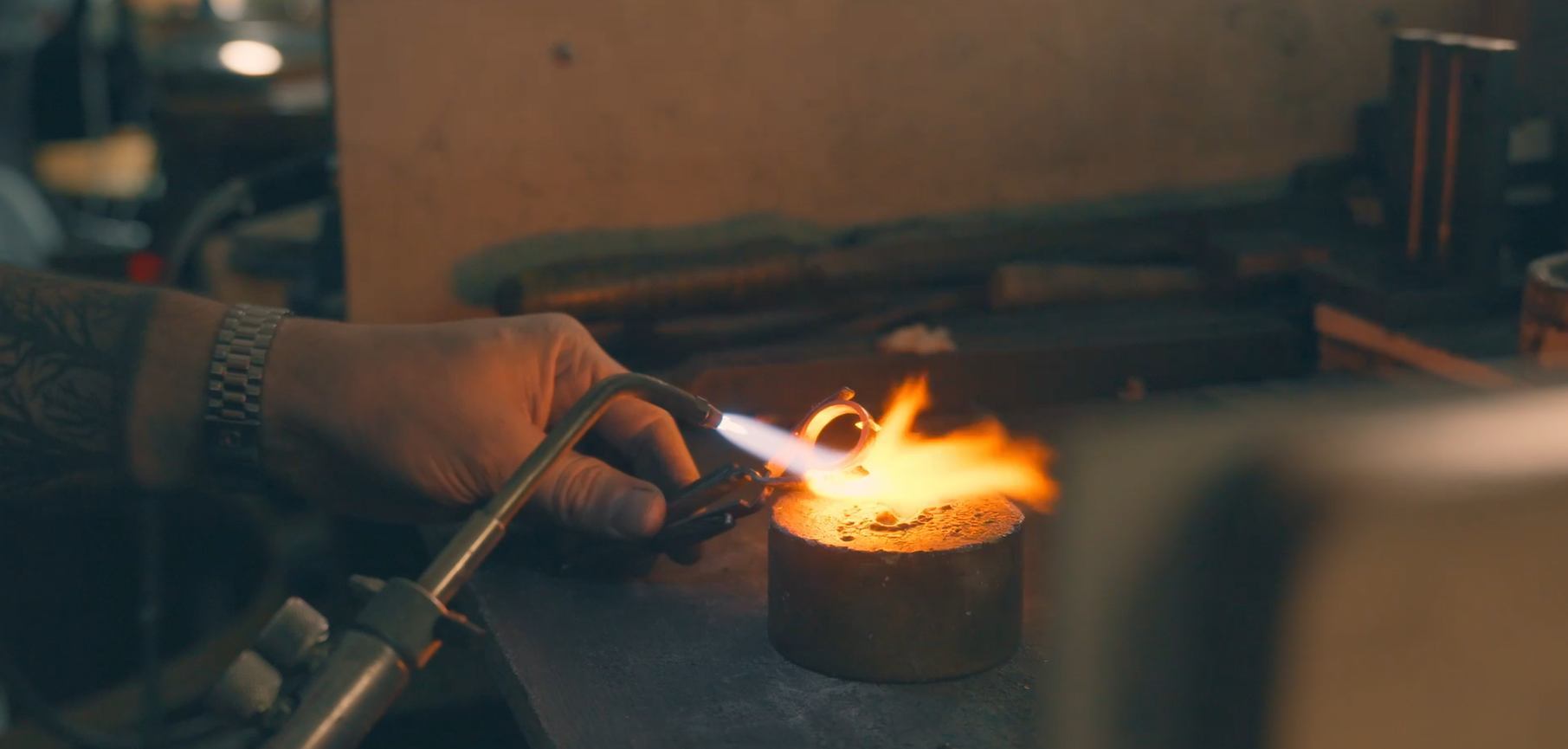
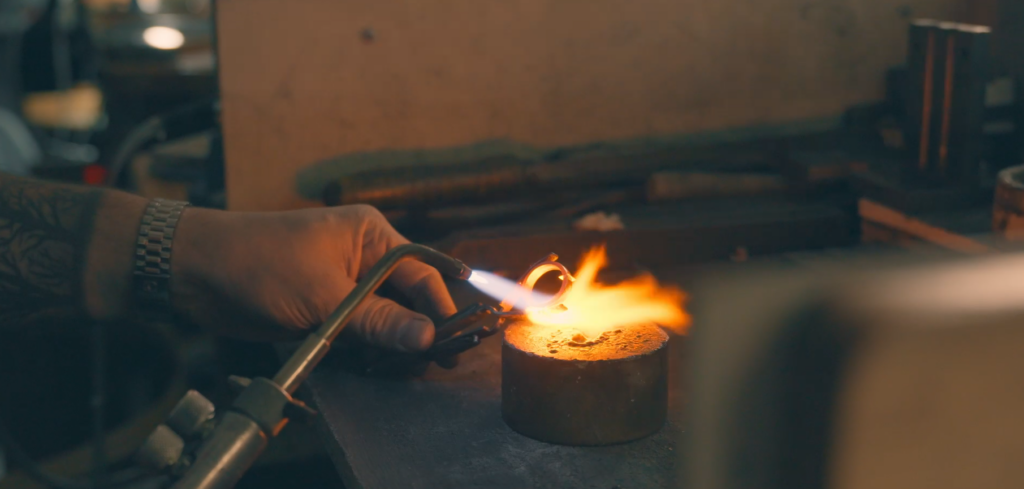
In many cases yes, we can melt down someone’s existing gold and use it to then handmake a completely new piece of jewellery.
18ct yellow gold is usually one of the more suitable options, provided the original metal is in good condition, free from heavy repair work, and doesn’t contain problematic solder or impurities.
White gold, rose gold and platinum can be a little more complicated. Their alloy compositions can increase the risk of the metal cracking or contain imperfections when melted down and then reworked into the new piece.
Even two pieces of white gold that may contain different alloys may not work well together.
We therefore assess each piece individually before deciding whether the original metal can be safely reused and free from compromising the quality of the new piece.
Kosta’s Expert Jeweller Tip
Just because jewellery is made from gold, it doesn’t mean it should automatically be melted down and reused. Sometimes starting with fresh metal will produce a stronger, more reliable finished piece, particularly when working with much older or pieces that usually have had a lot of previous repair work done.
Can You Mix 9ct and 18ct Gold When Remaking Jewellery?
Generally, I wouldn’t recommend mixing different gold purities together.
9ct gold contains 37.5% pure gold, while 18ct gold contains 75%. The remaining metals influence the colour and working properties of the alloy. The alloys in a cast piece can often be aimed at making the metal flow better into the mould.
It’s often these additionally added metals, rather than the actual gold itself, that cause problems when the different pieces are melted together.
At MDT DESIGN, we generally prefer working with one consistent type and purity of gold to minimise the risk of imperfections in the final piece.
If someone wants to turn an old yellow gold ring into a white or rose gold design, we would usually recommend using fresh metal, in which case we can offset the cost of the gold they have against the value of the new piece.
Why Do Jewellers Need More Gold Than the Finished Ring Weighs?
This is something many customers are surprised to learn.
A ring that finishes at seven grams may require approximately 15–18 grams of gold to begin with in the handmaking process.
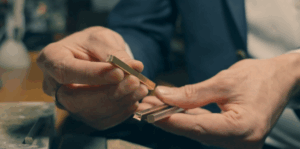
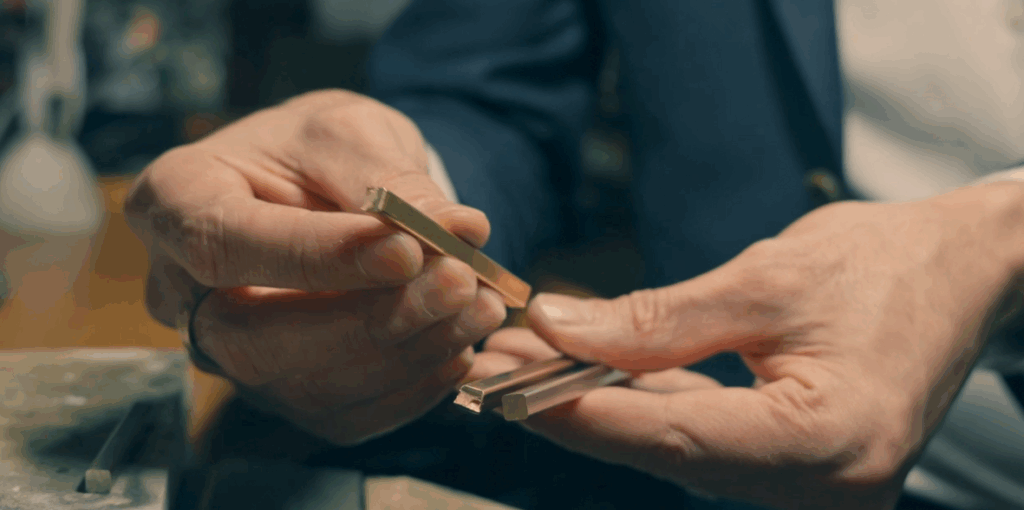
When old gold is melted down, the bar needs to be filed, cleaned and prepared. Surface impurities, mostly at the top, must be removed before the metal can be rolled, forged and shaped.
Each stage of handmaking also involves filing, trimming and finishing, which reduces the amount of metal remaining in the completed ring.
As an example, if a customer brings us a five-gram ring and wants it remade into a stronger design, the piece may end up around seven-grams, we may need to add approximately ten grams of suitable gold to provide enough material for making the new piece.
Although precious metal filings and offcuts can be recovered as scrap metal for refining, not all the starting metal ends up in the finished ring.
Is It Cheaper to Reuse Old Gold When Making New Jewellery?
Generally, yes. Reusing your existing gold can reduce the overall cost, although the savings will depend on the finished design and the amount of suitable metal that is supplied.
A common misconception is that remaking jewellery should cost very little because the customer provides the gold.
However, the labour involved still remains significant. The metal will still need to be prepared, the new jewellery handmade and the gemstones set. We all need to provide manufacture warranty’s, 2 complimentary resizing’s in the first year, lifetime complimentary cleaning and polishing, and valuation of the piece.
Sometimes we can reuse the original gold. Other times, we recommend using fresh metal and crediting the value of the customer’s existing jewellery towards the remake.
Reusing existing diamonds and gemstones can also provide a considerable saving compared to buying new diamonds or gemstones.
Kosta’s Expert Jeweller Tip
Don’t assume melting down your existing gold is always the most economical option. Ask your jeweller to compare reusing the original metal with using fresh gold and crediting the value of your old jewellery and what will make for a better piece.
Can Diamonds and Gemstones Be Reused from Old Jewellery?
Absolutely. Reusing gemstones is one of the most popular aspects of jewellery remodelling.
Diamonds, sapphires and other gemstones can often be removed from existing settings and incorporated into completely new designs.
Before resetting them, we need to inspect the stones for wear and damage. Depending on the condition, chipped or scratched gemstones may be needing repolishing.
However, badly damaged or significantly flawed gemstones may not be safe to reset, or if survive the new setting, may only need a slight knock to further chip or beak the stone.
Reusing a family diamond or gemstone can preserve the sentimental value in the piece while still allowing you to create something that better suits your personal style.
Can You Remake Inherited Jewellery Without Losing Its Sentimental Value?
This is one of my favourite parts of any jewellery remodelling.
We often meet with clients who have inherited jewellery from parents, aunties and grandparents. Although the pieces left to them may hold an enormous amount of sentimental value, the designs don’t always suit their personal style.
I remember two sisters who visited MDT DESIGN after their mother had passed away, leaving them with her jewellery collection.
By using the gold and gemstones that their mother had left them, we created two similarly matching collections of pendants, rings and earrings. Each sister could now wear their new pieces that are now better suited to them while maintaining a connection to their mother and connecting the two sisters.
Sometimes customers specifically want to retain as much of the exact gold from their inherited ring.
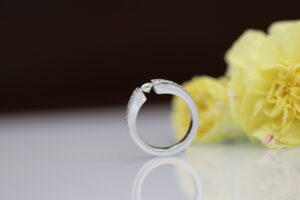
If the original metal isn’t suitable for remelting, we are often able to incorporate part of the existing ring as a feature or component of the ring, like an internal liner in the new design.
This then allows the original gold to remain part of the new ring, and many find it special that this ring is sitting against the finger.
Kosta’s Expert Jeweller Tip
If keeping the exact same gold from a loved one’s ring is important to you, tell your jeweller before starting the redesign process. If it is not suitable for melting, there may be ways to incorporate the original metal without actually having to melt it down.
What Old Jewellery May Not Be Suitable for Melting Down?
Not every piece of jewellery is suitable for remelting and working into a new piece.
often pieces like hollow chains that are machine made, heavily repaired rings and jewellery pieces, and any pieces containing a significant amount of solder can cause major issues that lead to cacking in the metal and weakness in the ring. Repeatedly melting and reworking the same metal can also increase the likelihood of cracking and imperfections in the final piece.
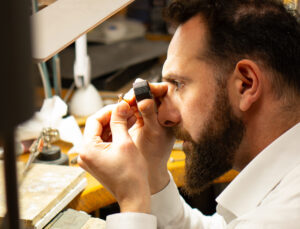
An experienced jeweller should be able to assess the metal in your piece before recommending whether to reuse it or start with fresh gold. They should explain the pros and cons of each option.
Frequently Asked Questions About Reusing Old Gold
Can I melt down my old wedding ring to make a new ring?
Yes, in many cases. Suitability will depend on the gold purity, alloy composition, previous repairs and the design of the new ring.
Can you turn yellow gold into white gold?
Although gold alloys can be reformulated to change colour, we generally recommend using fresh white gold rather than converting the old yellow gold piece. The value of your existing gold can help offset the costing.
Can I use my grandmother’s gold to make an engagement ring if it cannot be melted?
Often the answer is yes. If the metal isn’t suitable to be melted down and reworked, part of the original ring may be incorporated into the new design, such as an internal liner.
Is it cheaper to remake a ring using my own gold?
Often, it can be. Using existing gold and gemstones can reduce material costs, but the labour required to handmake the new ring still needs to be considered.
Can old diamonds be reused in a new engagement ring?
Yes. Diamonds can be removed from existing settings and reused, provided they’re in a suitable condition. Sometimes damaged diamonds may also be suitable for recutting or repolishing.
Giving Old Jewellery a New Beginning

Your old jewellery shouldn’t have to remain sitting in a draw and unworn simply because the design isn’t suited to you.
Whether you’re hoping to reuse an inherited diamond or gemstone, transform your old engagement ring or even combine several sentimental pieces into a single new piece, there are often more possibilities than you might originally think.
The priority should always be to create a piece without problems that will last, rather than insisting on reusing metal that may compromise the quality of the final ring.
At MDT DESIGN, we assess each jewellery remake individually, considering the condition of the existing gold, gemstones, the sentimental value attached and the design you would like to create.
If you’re considering giving your old jewellery a fresh beginning, learn more about our jewellery remakes, remodelling and redesigning services in Melbourne. Handmade on-site to exactly what you are wanting!
Learn more: Can I Use a Family Diamond in a New Engagement Ring?