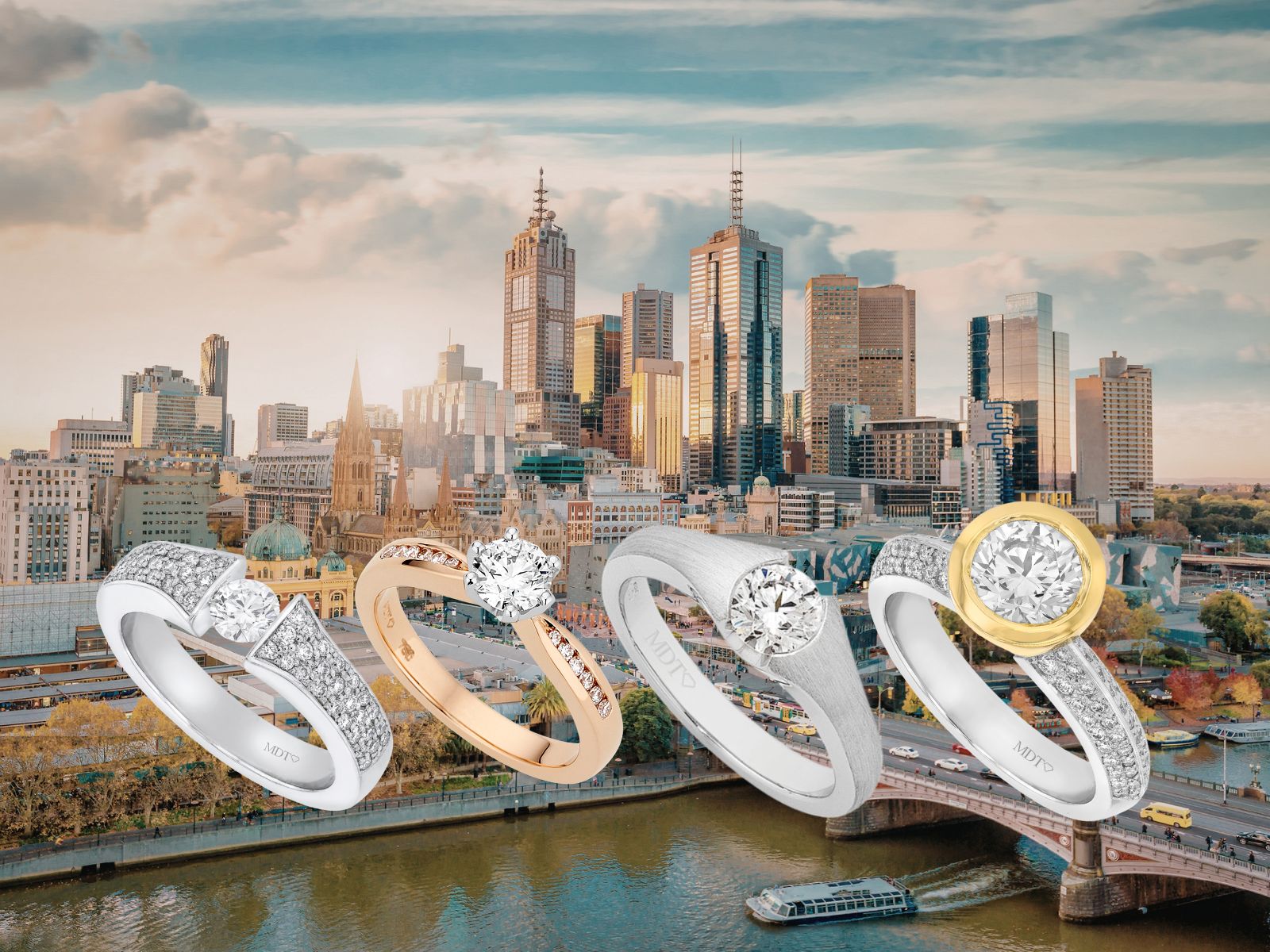
Engagement Ring Settings Guide
Selecting the right engagement ring setting for you is one of the most important decisions in the design process. The engagement ring setting influences not only the ring’s aesthetic, but also how wears over time.
A ‘setting’ specifically refers to the way a gemstone is secured in an engagement ring.
Different engagement ring setting styles can dramatically change the appearance and durability of the final piece.
At MDT DESIGN, in our on site Melbourne workshop, each and every ring is individually handmade. This allows us to create each and every design facet of each fine jewellery piece we create. Including individually creating the setting to suit the gemstone, the desired design, and the wearer specifically.
Selecting your perfect setting is one of the most important parts of designing an engagement ring-particularly when considering how it will be worn over time. The way a stone performs throughout its wear- is equally important, we explain this further in our Mohs Hardness Scale Guide, along with a deeper comparison in our Lab Grown vs Natural Diamonds guide.
This guide explores the most popular types of engagement ring settings and how you can choose the right setting for you-so you can make an informed decision on this sentimental purchase.
Most Popular Engagement Ring Settings
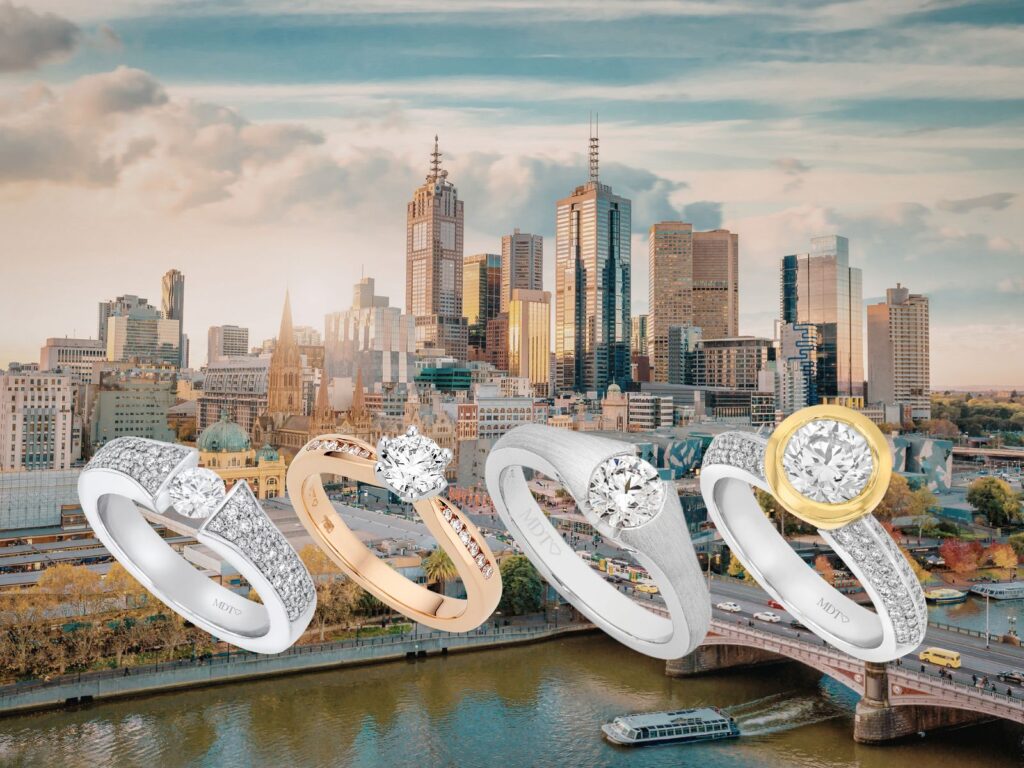
Below is a brief starting point, outlining some of the most popular engagement ring settings, followed by a breif Engagement Ring Setting Grid Guide:
- Claw setting – classic design, maximum brightness
- Halo setting – for extra size and extra sparkle
- Bezel setting – increased durability and a modern aesthetic
Each of these styles offers a distinct balance of appearance, practicality, and design character.
Engagement Ring Setting Comparison
Comparing engagement ring settings can help you understand which style best suits your priorities, whether you are looking for maximum sparkle, greater durability, a lower profile, or a particular aesthetic.
| Setting Style | Sparkle | Durability | Profile | Style |
|---|---|---|---|---|
| Claw Setting | High | Medium | Elevated | Classic |
| Bezel Setting | Medium | High | Low to Medium | Modern |
| Tension Setting | High | Medium | Elevated | Contemporary |
| Pavé Setting | High | Medium | Medium | Detailed / Luxurious |
| Channel Setting | Medium | High | Low to Medium | Clean / Structured |
| Grain Setting | Medium | Medium | Low to Medium | Vintage-Inspired |
| Flush Setting | Low to Medium | High | Low | Minimal / Practical |
| Bar Setting | Medium to High | Medium | Medium | Open / Architectural |
| Halo Setting | Very High | Medium | Elevated | Statement |
| Trilogy Setting | High | Medium | Elevated | Balanced / Symbolic |
Claw Setting or Prong Setting
What it is
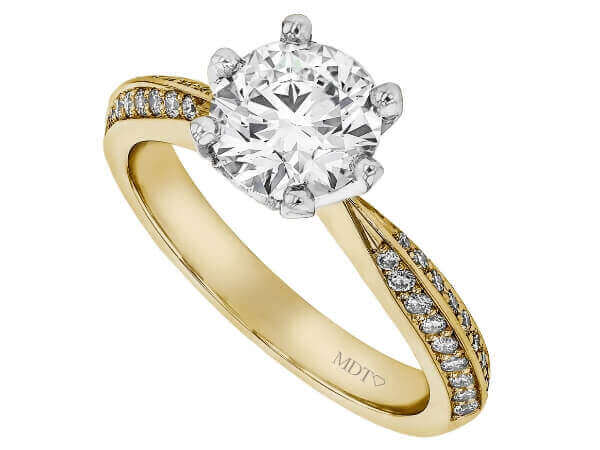
A claw setting uses small metal prongs to hold the gemstone securely in place while leaving much of the stone exposed.
Why people choose it
Claw setting are one of the most popular engagement ring settings because it has the ability to maximise light exposure, enhancing the brilliance of the diamond and allows the stone to sit proudly on the hand.
Best for
- Solitaire engagement rings
- Improving sparkle
- Classic aesthetic
Considerations
It is important to keep in mind that claw settings offer less protection than other more closed in settings. This means that craftsmanship and construction are of utmost importance. The number and shape of claws chosen also influences the overall look of the ring, from refined and minimal to bold and unapologetic.
Bezel Setting
What it is
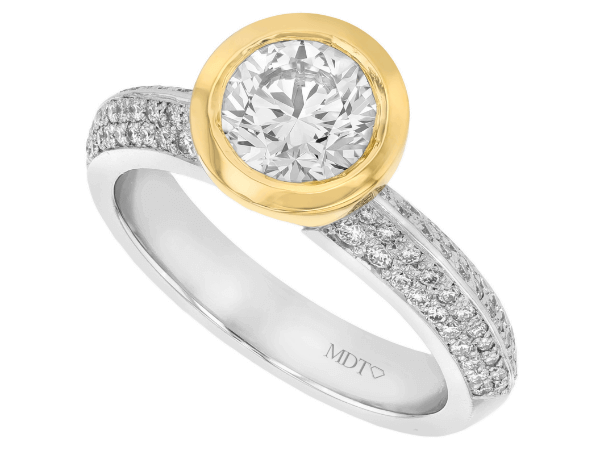
A bezel setting uses metal to surround the gemstone securing it in place.
Why people choose it
A bezel setting offers exceptional protection while creating a clean, modern silhouette. This is the ideal setting for those drawn to a striking, modern aesthetic and those who value protecting their gemstone.
Best for
- Enduring wear
- Contemporary aesthetic lovers
- Securing Gemstones with solid structure
Considerations
The metal edge of a bezel setting can enhance the physical appearance size of the stone featured within it. However a bezel setting can often reduce the amount of visible stone (from the side) compared to claw settings, this trade-off results in increased durability and a more streamlined appearance. Bezel settings come in a variety of widths- this design facet alone can completely transform an engagement ring from classic to ultra modern to vintage.
Tension Setting
What it is
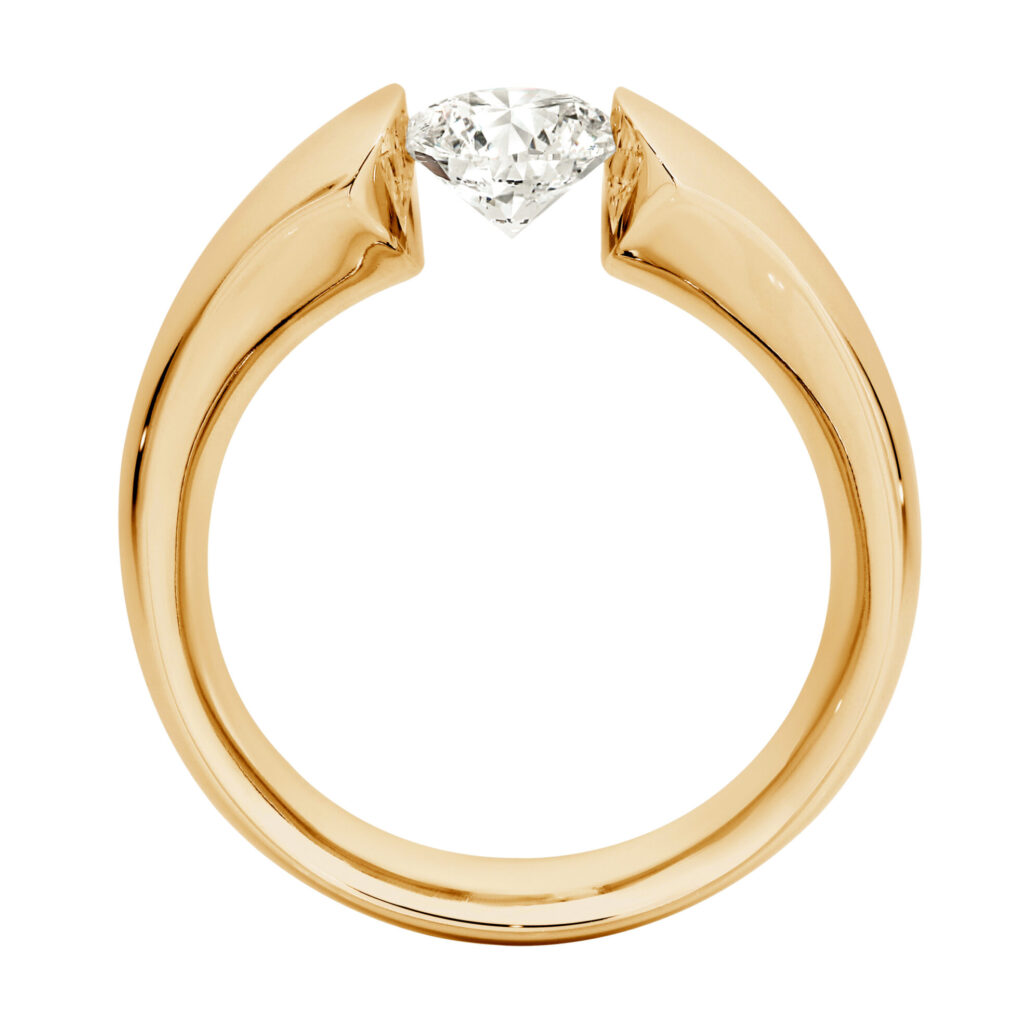
A tension setting is a unique innovative technology that holds the gemstone in place using pressure (or tension) from the metal band, creating the illusion that the stone is floating.
Why people choose it
This highly engineered setting allows light to enter the diamond from almost every angle, resulting in a bold, contemporary look that feels both minimal and technically impressive.
Best for
- Distinctive designs
- Showcasing the entire gemstone
- People who aren’t too heavy handed
Considerations
Requires advanced handmade craftsmanship and precise engineering to ensure the long-term structural durability. Not all gemstones are suitable for this style, making expert guidance essential.
Pavé Setting
What it is
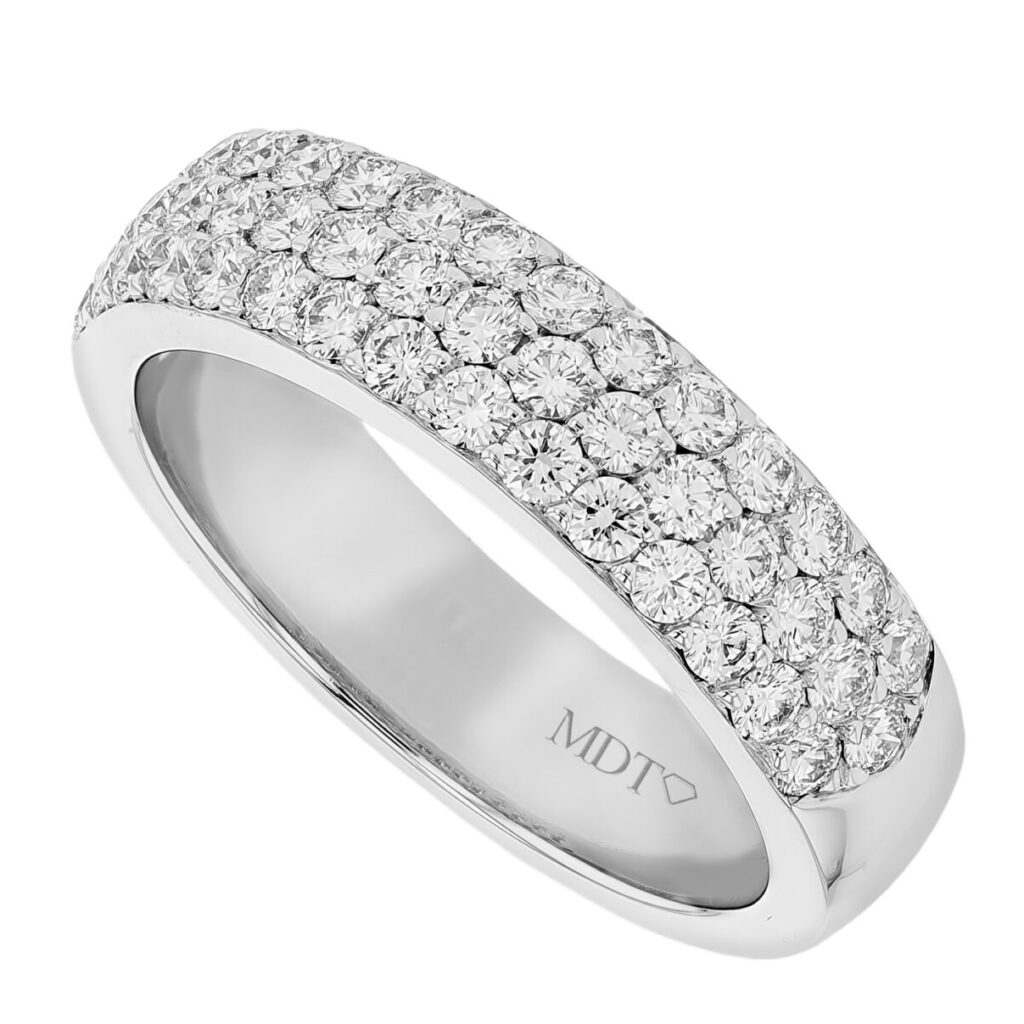
A pavé setting features many small diamonds set closely together along the band, creating a continuous surface of sparkle.
Why people choose it
Adds an ongoing brilliance and texture to the ring and enhances the presence of the centre stone, creating a more luxury and detailed finish.
Best for
- Adding extra sparkle
- Enhancing halo or solitaire designs
- Detailed finish
Considerations
Smaller stones that are pavé set might require maintenance over time, especially with frequent wear.
Channel Setting
What it is
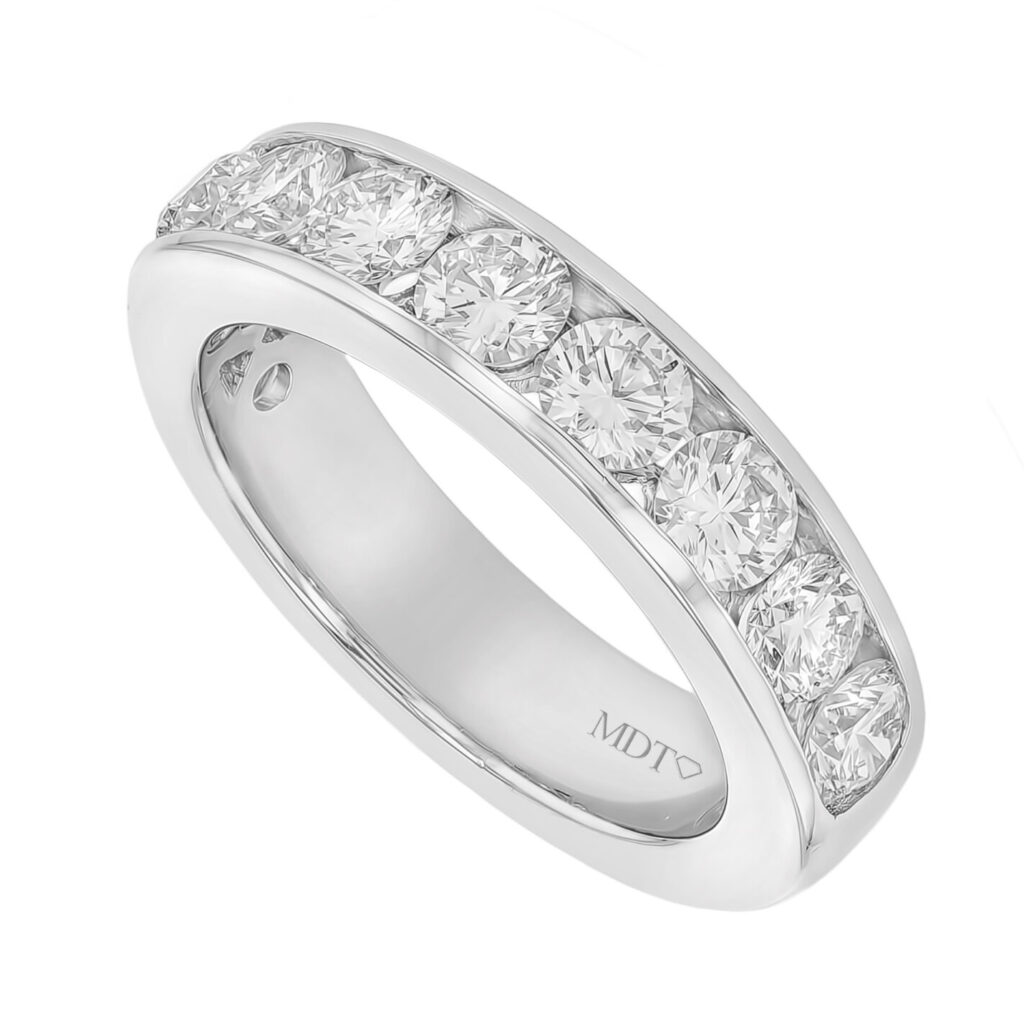
A channel setting is where diamonds are set between two parallel walls of metal, sitting flush in a ‘channel’ within the band.
Why people choose it
The channel setting creates a smooth, structured line of diamonds with strong durability, meaning that this setting is both practical and visually clean.
Best for
- Wedding rings
- Engagement ring shoulders
- Clean lines and structured designs
Considerations
Less light enters the stones compared to more open settings, resulting in a more subtle sparkle.
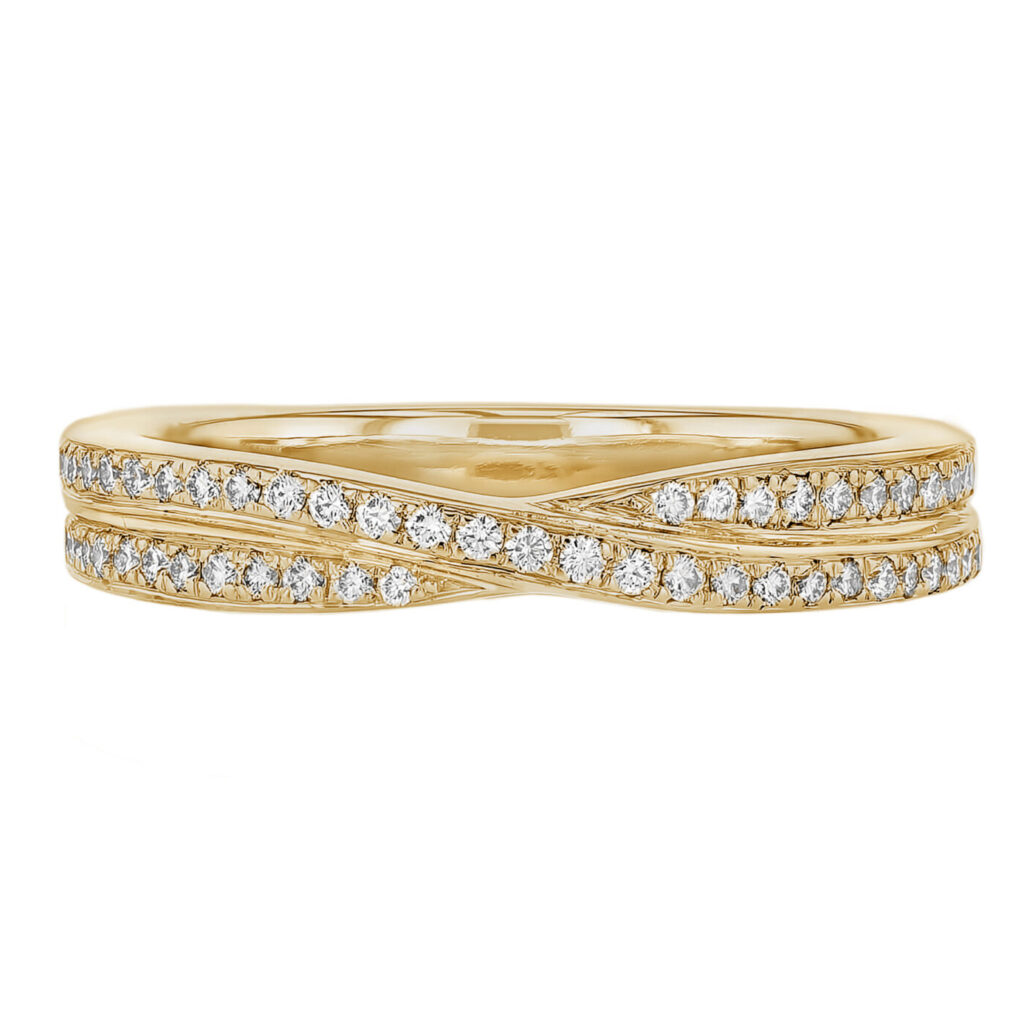
Grain Setting (Bead Setting)
What it is
A grain setting features many small diamonds, held in place by small beads (grains) of metal that are raised from the surface.
Why people choose it
A grain setting is a traditional technique that creates a detailed, vintage-inspired look with an added sense of craftsmanship and intricacy.
Best for
- Vintage style
- Intricate details
- Many small gemstones
Considerations
This setting is highly craftsmanship-driven and requires precision to execute it well, particularly in fine, delicate designs.
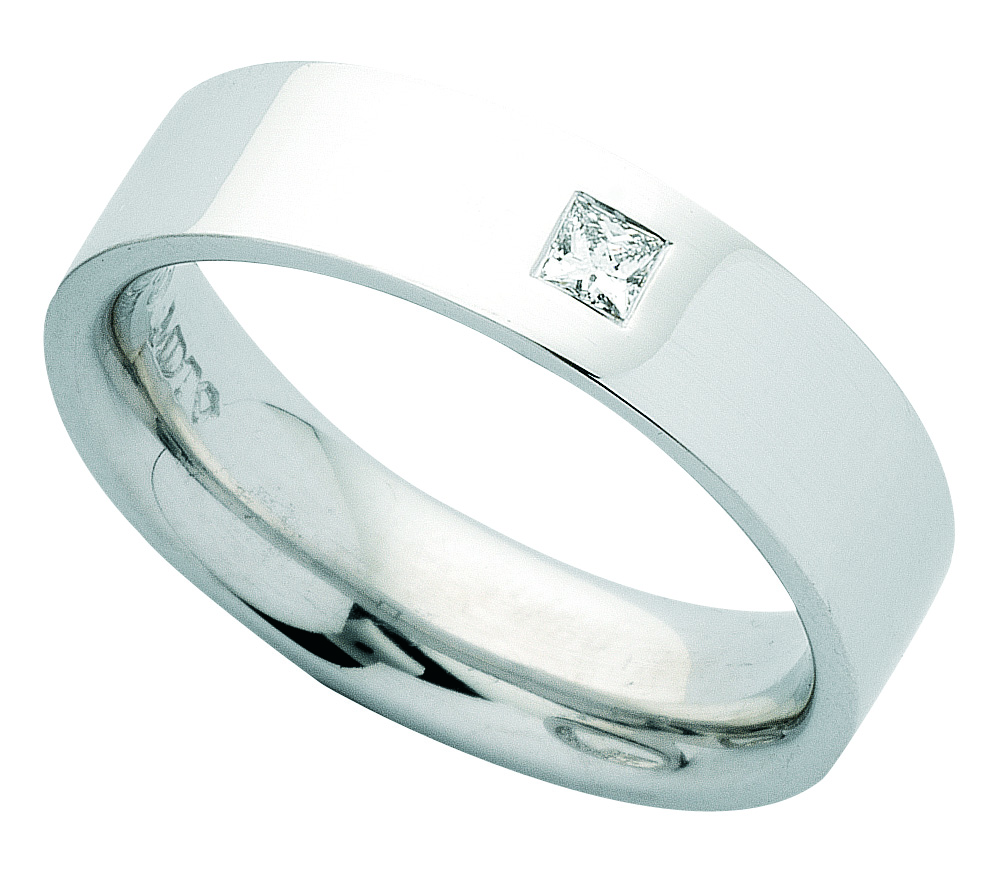
Hammer Setting (Flush Set / Gypsy Set)
What it is
A hammer setting see’s the gemstone set directly into the metal so it sits flush with the surface of the ring.
Why people choose it
One of the most durable setting styles, resulting in a low-profile, understated look that flows seamlessly into the band.
Best for
- Active lifestyles
- Flush profile
- Minimalist lovers
Considerations
The hammer setting offers less light exposure to the gemstone, resulting in reduced sparkle, especially when compared to elevated settings. This setting provides exceptional practicality for daily wear.
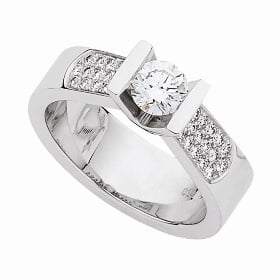
Bar Setting
What it is
A bar setting is when a gemstones is held in place by vertical metal bars positioned between each stone.
Why people choose it
This engagement ring setting allows significantly more light to enter the sides of the diamonds, when compared to channel settings. Providing a strong structure of support.
Best for
- Metal based design
- Multi-stone designs
- Structured yet open aesthetics
Considerations
Bar settings leaves your diamond more exposed than channel settings, which may influence long-term wear depending your lifestyle.
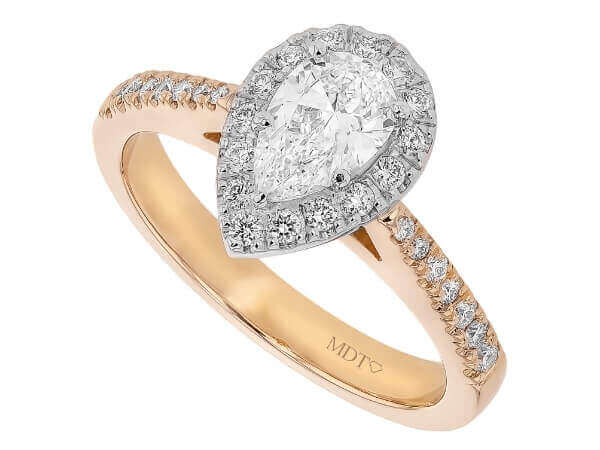
Halo Setting
What it is
A halo setting consists of a central gemstone surrounded by a ring of smaller diamonds.
Why people choose it
A halo setting often largens the visual size of the centre stone while adding significant brilliance, creating a more sparkly and eye-catching result.
Best for
- Visual impact
- Larger appearance
- A lot of sparkle
Considerations
The halo setting needs thoughtful design to maintain balance and proportion of the overall piece, especially when using different diamond shapes.
Hidden Halo
What it is
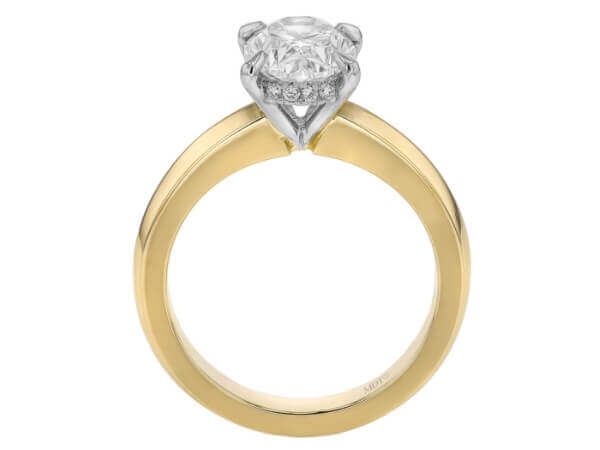
A hidden halo setting features a row of small diamonds positioned beneath the main setting, rather than surrounding it from above. When viewed from the top, the halo is not immediately visible, but it reveals itself from the side profile, this is why it is refered to as a ‘hidden’ halo.
Why people choose it
The hidden halo setting is a more subtle way of adding additional sparkle to your engagement ring. Over all enhancing the design without changing the overall silhouette, creating a refined, layered look that feels both modern and intentional.
Best for
- Adding hidden detail and dimension
- Enhancing a solitaire-style design
- Clients who want sparkle without a traditional halo look
Considerations
Because the halo sits beneath the centre stone, its impact is more visible from certain angles rather than head-on. Careful design is required to ensure the proportions remain balanced and the setting complements the centre stone.
Trilogy Setting (Three-Stone Setting)
What it is
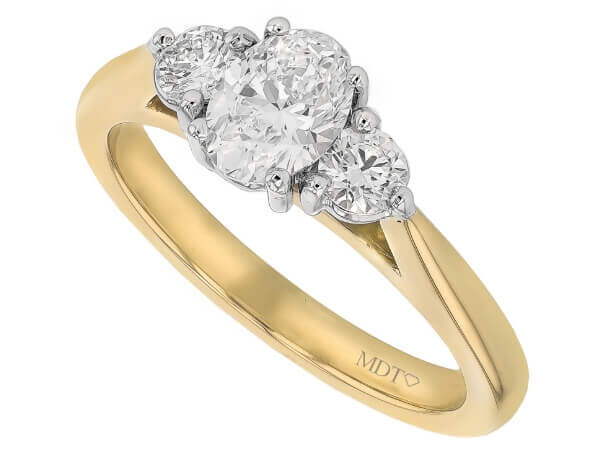
A trilogy setting features a central gemstone is flanked by two smaller stones.
Why people choose it
Symbolises past, present and future, while adding depth and dimension to the design for a more layered and meaningful look.
Best for
- Meaningful designs
- Balanced compositions
- Combining gemstones
Considerations
Requires thoughtful proportioning between stones to ensure the overall design feels cohesive and refined.
How Metal Colour Influences a Diamond
The choice of metal can subtly influence how a diamond or gemstone appears. Different metals reflect light in different ways, which can affect perceived colour and brightness.
- White diamonds are often paired with white metal claws to maintain their crisp appearance
- Yellow diamonds are enhanced by yellow gold settings
- Pink diamonds are complemented by rose gold tones
Even when using yellow or rose gold bands, white claws are often recommended for white diamonds to preserve their brightness.
Choosing the Right Engagement Ring Setting
Choosing the right setting is about balancing design, lifestyle, and how you want the ring to feel when worn every day.
The ideal setting depends on a combination of factors:
- The shape and size of the gemstone
- Your lifestyle and how the ring will be worn
- Your personal aesthetic preferences
- How much of the gemstone you want visible
Each of these elements plays a role in creating a ring that is not only visually striking, but also structurally sound and comfortable to wear over time.
In our Melbourne workshop, every setting is carefully considered and tailored to ensure the final piece feels balanced, refined, and made to last.