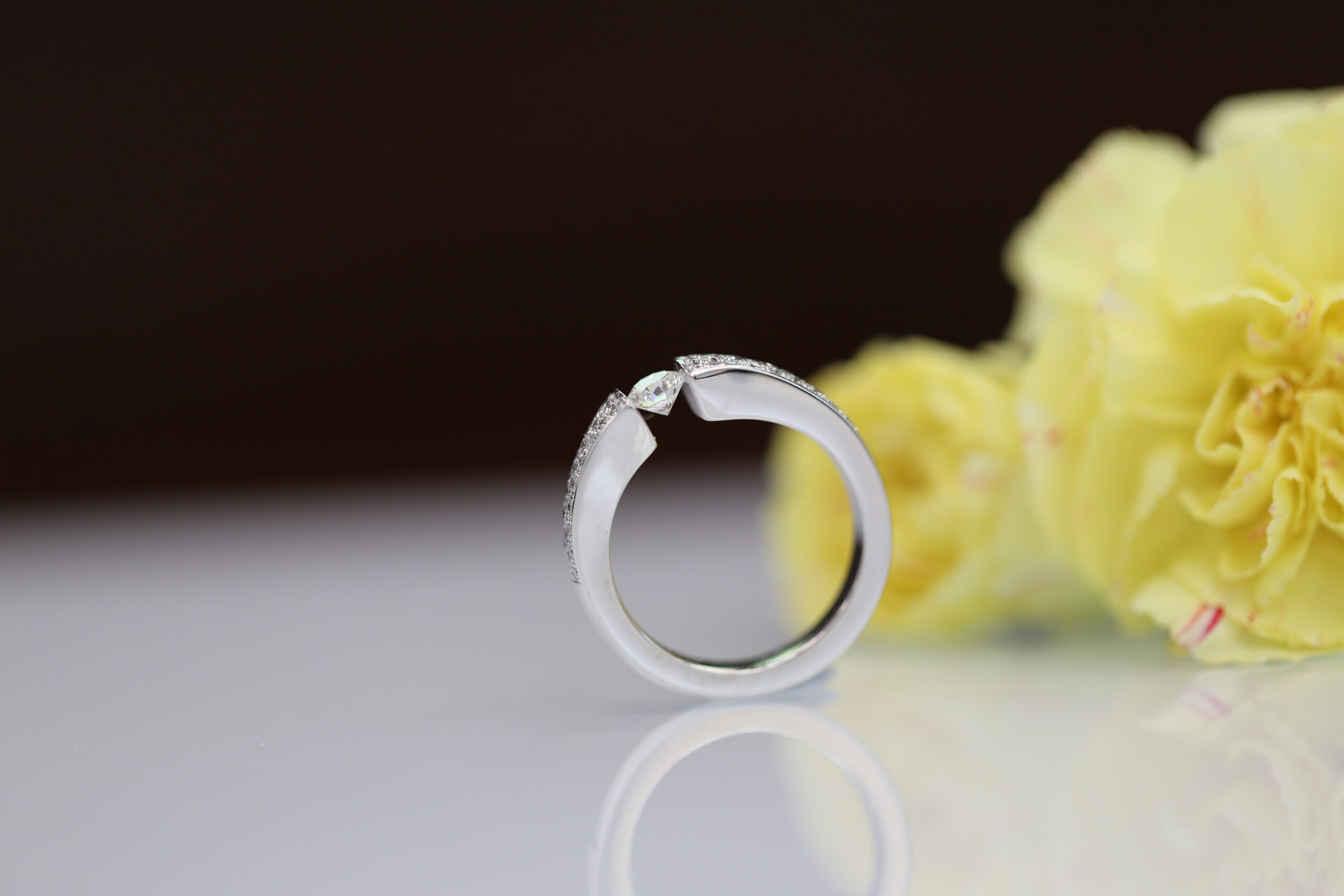
Tension Set vs Pressure Set Rings: What’s the Difference?
If you have been researching engagement rings, you may have come across different style of settings and came across tension set rings, pressure set rings, floating diamond rings and suspended diamond rings and wondered whether these were different styles.
The simple answer is that tension set and pressure set rings are the same type of ring setting. Both of these terms are aimed at describing a gemstone held between the two sides of a ring without traditional claws.
However, terms such as “floating diamond ring” can cause some confusion. A diamond or gemstone can appear to float without actually being held in a true tension setting.
As a jeweller who has made tension set rings for more than 25 years, here’s how I explain the differences between these styles.
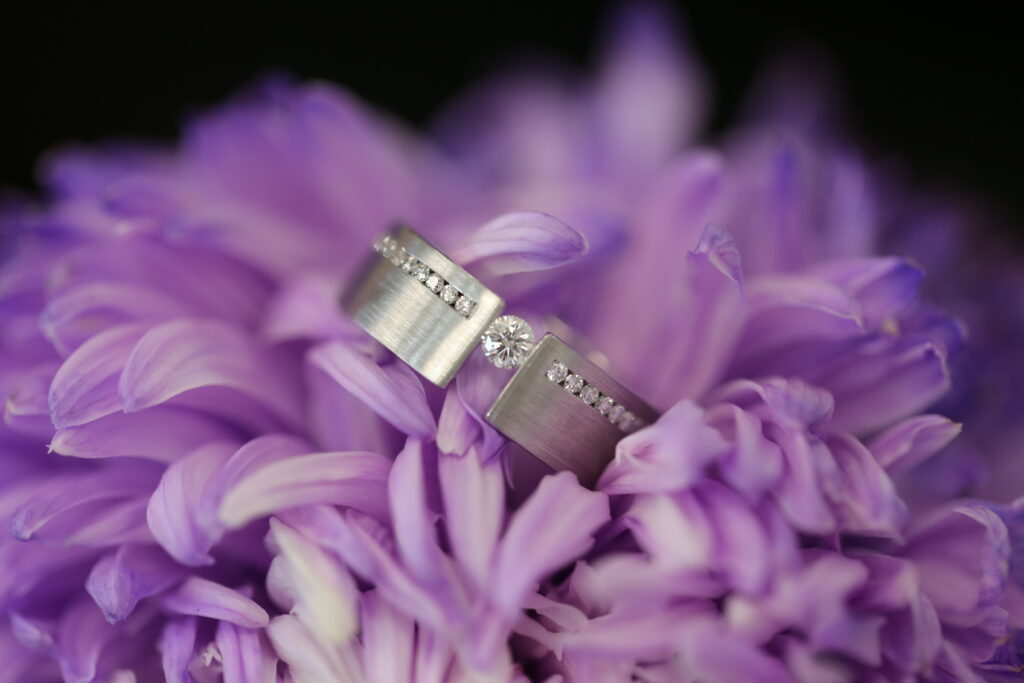
What Is a Tension Set Ring?
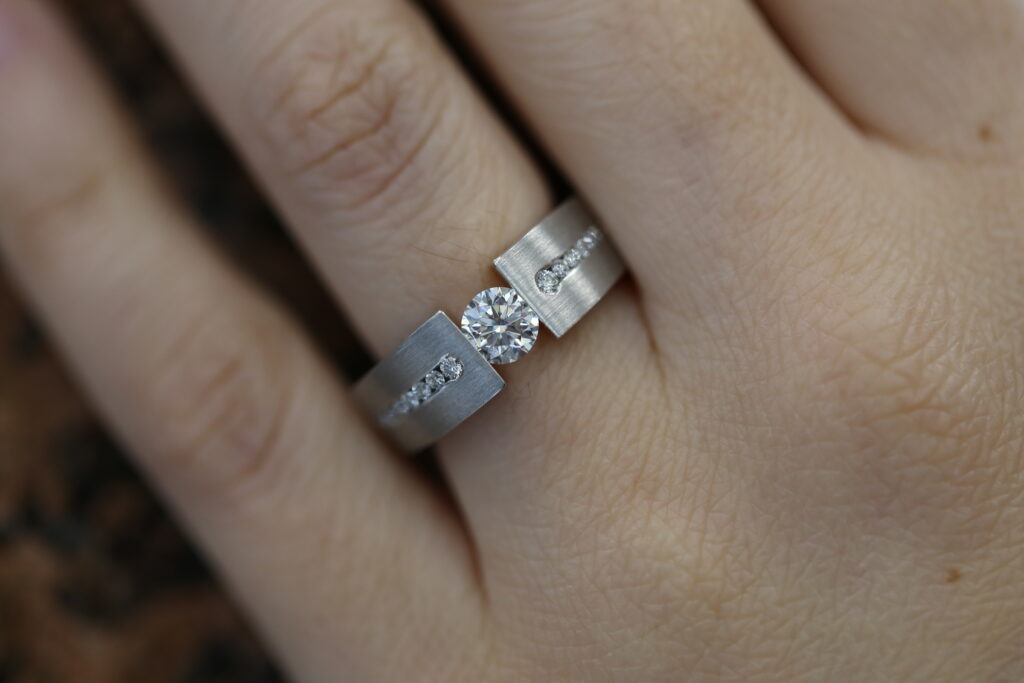
A true tension set ring holds the diamond or gemstone between the two sides of the ring using the tension created in the metal.
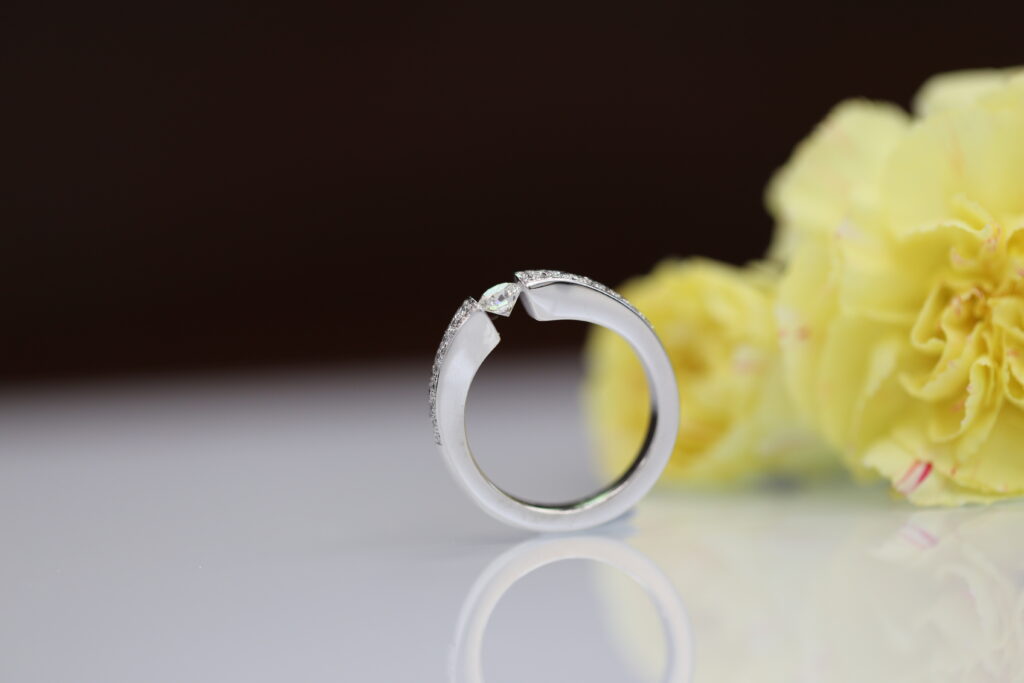
Unlike a traditional solitaire with claws, a true tension setting has no under-bezel joining the two sides of the ring underneath the stone. This creates the distinctive appearance of the gemstone being suspended between the metal.
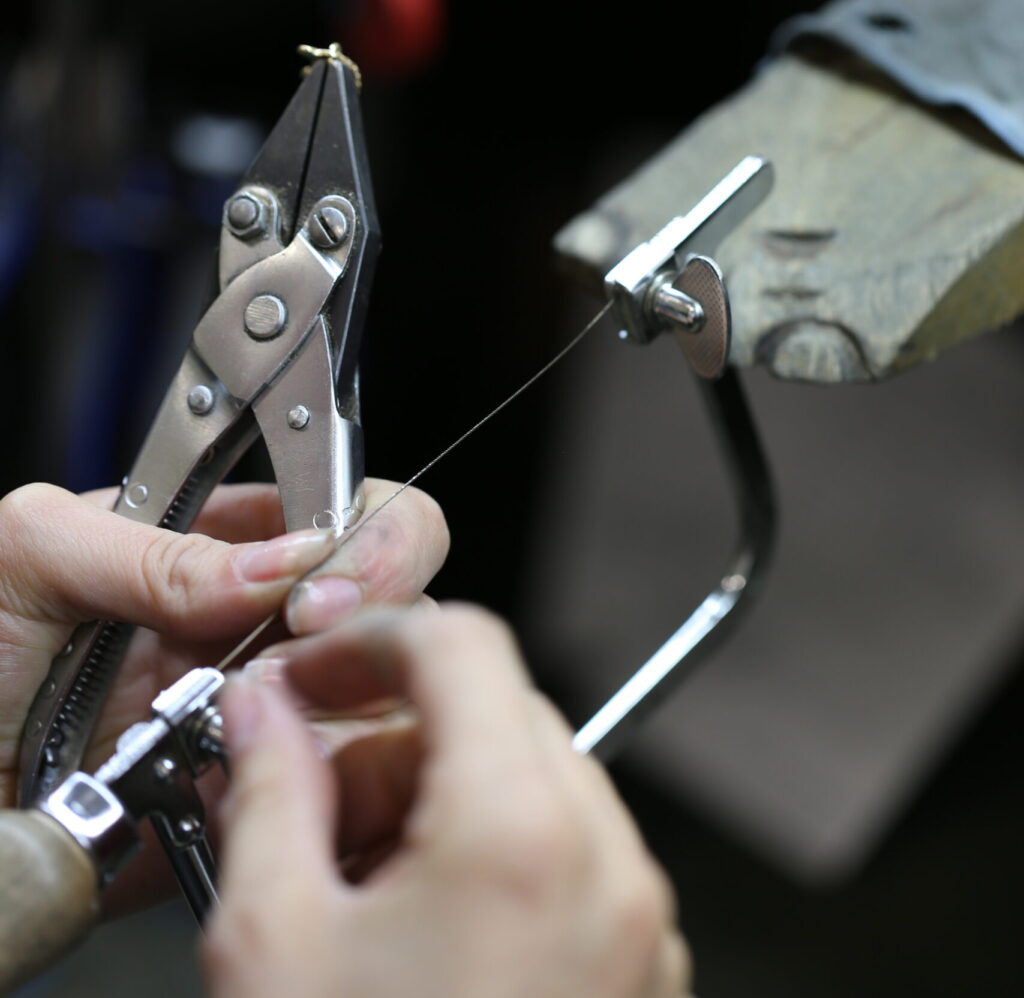
When we handmake a tension set ring at MDT DESIGN, the metal is worked and forged, creating the hardness required to securely hold the stone.
The dimensions are also critical. There need to be appropriate widths and thicknesses of metal around the setting, and factors including gemstone size and finger size can affect what is possible.
We’ve made hundreds, if not thousands, of tension set rings over the years, many individually customised for the wearer.
Are Tension Set and Pressure Set Rings the Same Thing?
Yes. Tension set and pressure set are different terms for the same type of setting.
The names simply describe the ring from a different perspective.
Pressure set rings refers to the pressure being applied to the gemstone to hold it in securely.
Tension set rings refers to the tension created in the metal as it is forged and worked.
At MDT DESIGN, we generally use the term tension set.
Kosta’s Expert Jeweller Tip
Don’t worry too much about whether somebody calls it tension set or pressure set. More importantly, ask what is actually holding the stone in place and whether there is anything underneath it joining the two sides of the ring together.
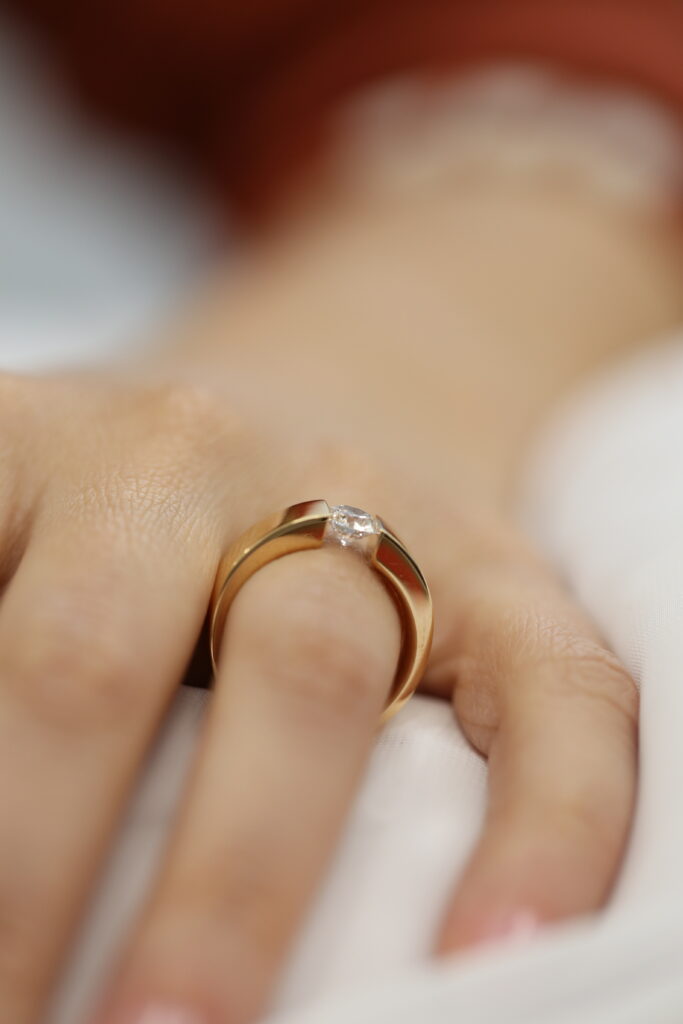
What Is a Floating Diamond Ring?
“Floating diamond ring” usually describes how a ring looks, rather than precisely how it is made.
A true tension set diamond appears to float between the two sides of the ring, so tension settings are sometimes described as floating diamond rings.
However, not every floating diamond ring is a genuine tension set ring.
I have seen rings that appear to be a tension set from above, but when the ring is viewed from the side there is an under-bezel beneath the diamond connecting the two sides of the ring.
This is often referred to as a tension-style ring. It creates a very similar appearance but uses additional support beneath the gemstone, taking out the need for “tension” in the metal.
If having a true tension setting matters to you, look at the ring from the side as well as from above and ask the jeweller exactly how the gemstone is secured.
Are Tension Set Rings Safe?
This is probably the biggest misconception I hear about tension settings:
“Won’t the diamond fall out?”
A correctly made tension set ring is incredibly secure and safe to wear.
Would I say it’s as secure as a well-made traditional six-claw setting? No. A six-claw setting can provide an exceptional level of security around a diamond or gemstone. But a properly handmade tension setting is still a very secure way of setting a suitable gemstone.
As with any fine jewellery, no matter if it is a tension set, solitaire, trilogy or halo, I recommend removing your ring before heavy-handed activities where it could receive a significant knock.
The way the ring is manufacturing is particularly important. The stone needs to be held securely, this means the surrounding metal needs sufficient width and thickness to help protect it from everyday knocks.
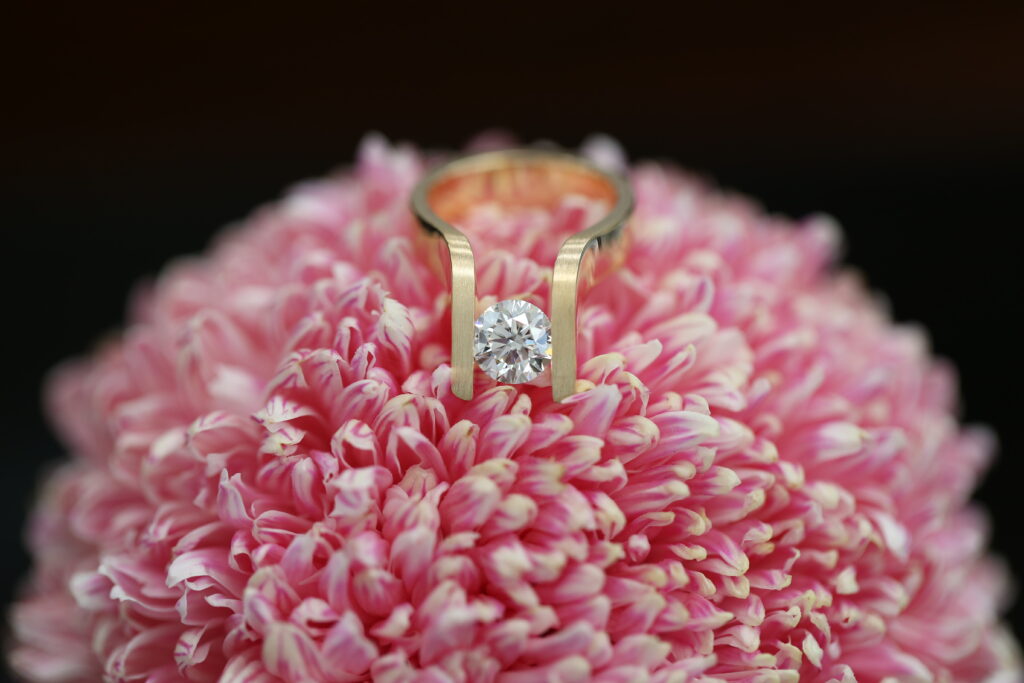
Can Any Gemstone Be Tension Set?
No. The gemstone needs to be able to withstand the pressure required by this type of setting.
At MDT DESIGN, we tension set:
• Diamonds
• Sapphires, including a wide range of colours and tones
• Rubies
We don’t tension set softer or less suitable gemstones as the pressure and force required to secure them may cause the stone to chip or break. If not while we are working with it, while you are wearing it.
Learn about different gemstone hardnesses with our Mohs Hardness Scale Explained article.
Kosta’s Expert Jeweller Tip
Don’t choose a gemstone for a tension setting based on its appearance alone. It needs to be suitable for the pressure required to hold it safely and securely.
What Metals Can Be Used for a Tension Set Ring?
At MDT DESIGN, we only recommend platinum or 18ct coloured golds for a true tension set ring.
The properties of the metal and the way it is worked are fundamental to creating the tension required to securely hold the gemstone.
This is why a tension setting isn’t simply a visual design. The metal, gemstone, dimensions and construction all need to work together.
Can a Tension Set Ring Be Resized?
Yes, tension set rings can be resized, although the method depends on the design, whether the ring needs to go up or down in size and how significant the change is.
When increasing the size of certain tension set rings, for example, we may add metal on either side of the diamond before soldering and resetting the centre stone.
When reducing the size, depending on the design, we may be able to adjust the gap around the gemstone before resetting it.
Because tension in the metal is fundamental to how the stone is held, every tension set ring should be assessed individually before resizing.
What Should You Look for in a Tension Set Ring?
The minimalist appearance of a tension set can make it look deceptively simply, but its construction method requires careful consideration.
Before buying one, I would ask:
• Is it a true tension setting or a tension-style design?
• Is there an under-bezel beneath the gemstone?
• How has the ring been manufactured? Handmade or CAD/Cast.
• Is there sufficient width and thickness to safely hold and protect the stone?
• Is the gemstone suitable for tension setting?
• Can the jeweller resize and maintain the ring in the future?
• Does the jeweller have experience making true tension set rings?
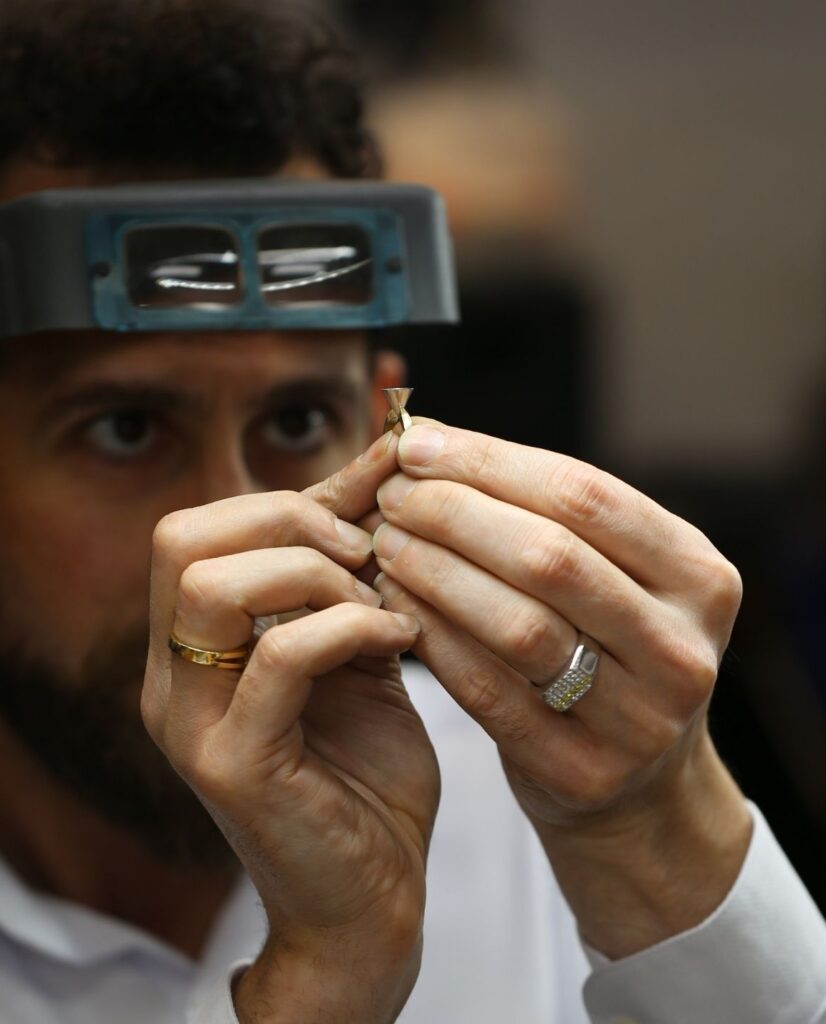
The person selling the ring should be able to explain how it is made and how the stone is able to be held in securely, not simply tell you that the diamond is “floating”.
Tension Set, Pressure Set, Floating or Suspended: What Do They Mean?
Jewellery terminology isn’t always used consistently, particularly online. Here’s a simple guide:
Tension set ring: a gemstone held between the sides of the ring using tension in the metal.
Pressure set ring: another name for a tension set ring, referring to the pressure applied to the gemstone.
Floating diamond ring: a descriptive term for a ring where the diamond appears to float. It may or may not be a true tension set ring.
Suspended diamond ring: another descriptive term generally referring to the appearance of a gemstone suspended between sections of metal, it may or may not be a true tension set.
Tension-style ring: often a ring designed to look like a tension set but uses additional support, such as an under-bezel beneath the gemstone.
Ultimately, the terminology matters less than the construction of the piece.
Frequently Asked Questions About Tension Set Rings
Is a pressure set ring the same as a tension set ring?
Yes. Pressure set and tension set describe the same type of ring setting style. “Pressure” refers to the pressure applied to the gemstone, “tension” refers to the tension created in the metal.
Can a diamond fall out of a tension setting?
A correctly made tension setting is very secure, although no jewellery is made to withstand damage. Significant knocks and bumps can affect any engagement ring style, so appropriate care and regular inspections are important.
Are all floating diamond rings tension set?
No. Some rings create a floating diamond appearance while using an under-bezel or other support beneath the stone. A true tension setting doesn’t have an under-bezel joining the two sides of the ring beneath the stone.
Can tension set rings be resized?
Yes, although the method depends on the rings design and if it is going up or down in size and how significant the size change is.
What gemstones can be tension set?
At MDT DESIGN, we tension set diamonds, sapphires and rubies. We don’t recommend softer or less suitable gemstones because they may chip or break under the pressure required by the setting.
Final Advice From a Jeweller
Tension set rings have an unmistakable showstopping appearance. Without the use of traditional claws surrounding the gemstone, the diamond or coloured stone can appear almost suspended between the two sides of the ring.
But what looks simple does require careful manufacturing.
After making hundreds, if not thousands, of tension set rings at MDT DESIGN, the biggest misconception I still hear is that the stone will easily fall out.
When a true tension setting is correctly designed, handmade and set, it is an incredibly secure setting style. Those jewellers that doubt the security of the stone are not experts in handmaking tension set rings.
So whether you see a ring described as tension set, pressure set, floating or suspended, don’t rely only on the terminology used alone.
Look at how the ring is actually constructed and ask:
“What is holding this diamond or gemstone in place?”
That will tell you far more than the name given to the setting by the jeweller.
Explore Our Tension Set Rings Guide
Discover how tension set rings work, the different styles available and what makes each design unique.
Create a Custom Tension Set Ring
Have something particular in mind? Speak with one of our designers about creating a tension set ring made specifically for you.