Mohs Hardness Scale Explained: What It Means for Custom Jewellery
When considering the perfect gemstone for you, most people will often consider colour, sparkle, shape or a symbolic meaning. One of the lesser known, but highly important factors of jewellery design to consider is something less visible, durability.
Introducing the Mohs hardness scale, a useful tool in considering the perfect gemstone for your custom jewellery.
The Mohs hardness scale is a scale that ranks each gemstones durability, often referenced when comparing diamonds, sapphires, rubies and gemstones in general and holds particular importance in pieces that are intended to be worn daily. The scale offers explanation as to how resistant the stone is to scratching, an important consideration when considering longevity of the jewellery you wear, especially engagement rings and custom jewellery that you wish to be enjoyed for generations to come.
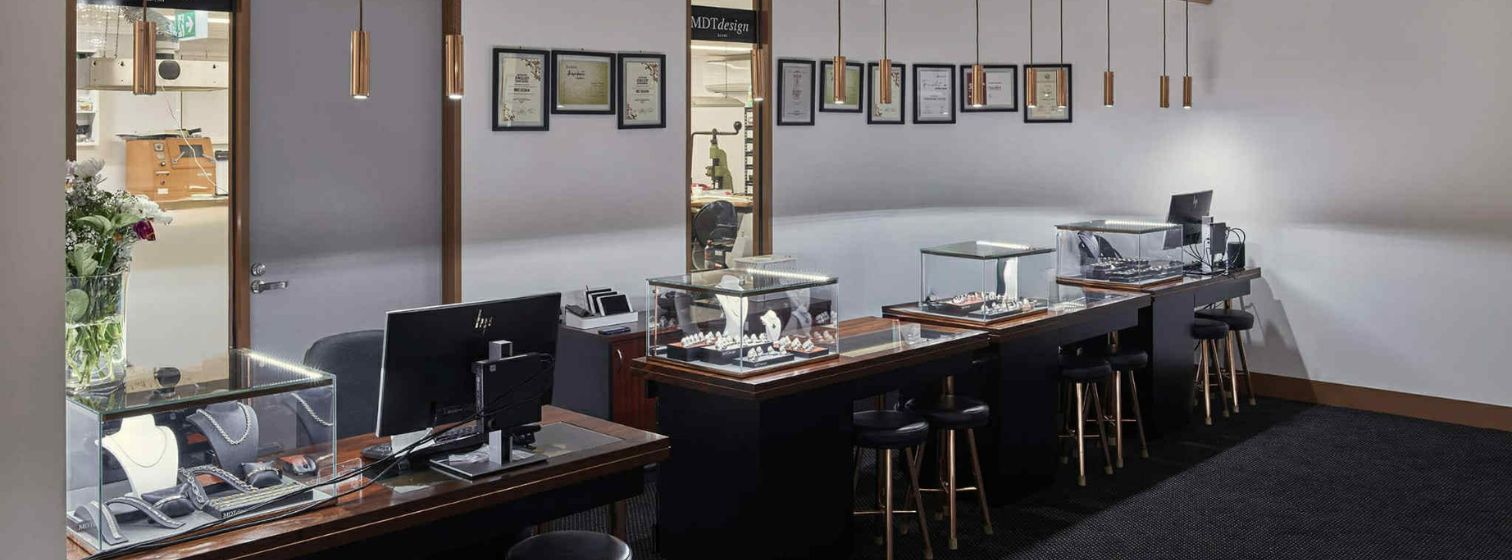
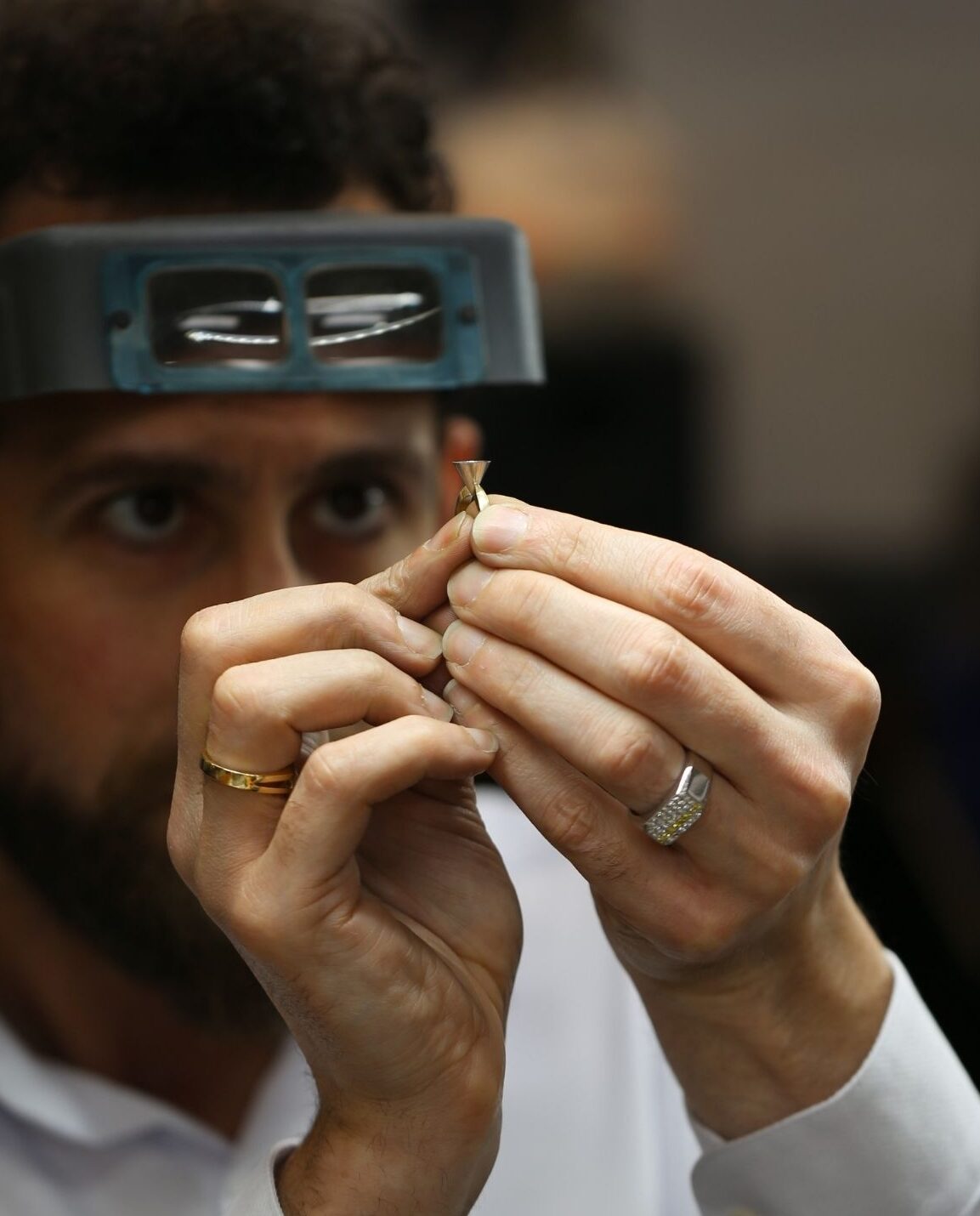
At MDT DESIGN, quality is the pinnacle of our ethos, with every piece individually handmade in our onsite jewellery workshop in Melbourne. Each engagement ring or custom jewellery piece starts as a solid bar of precious metal, and each design facet is created with design and function in mind. Understanding of the gemstone hardness is an important consideration.
What Is the Mohs Hardness Scale?
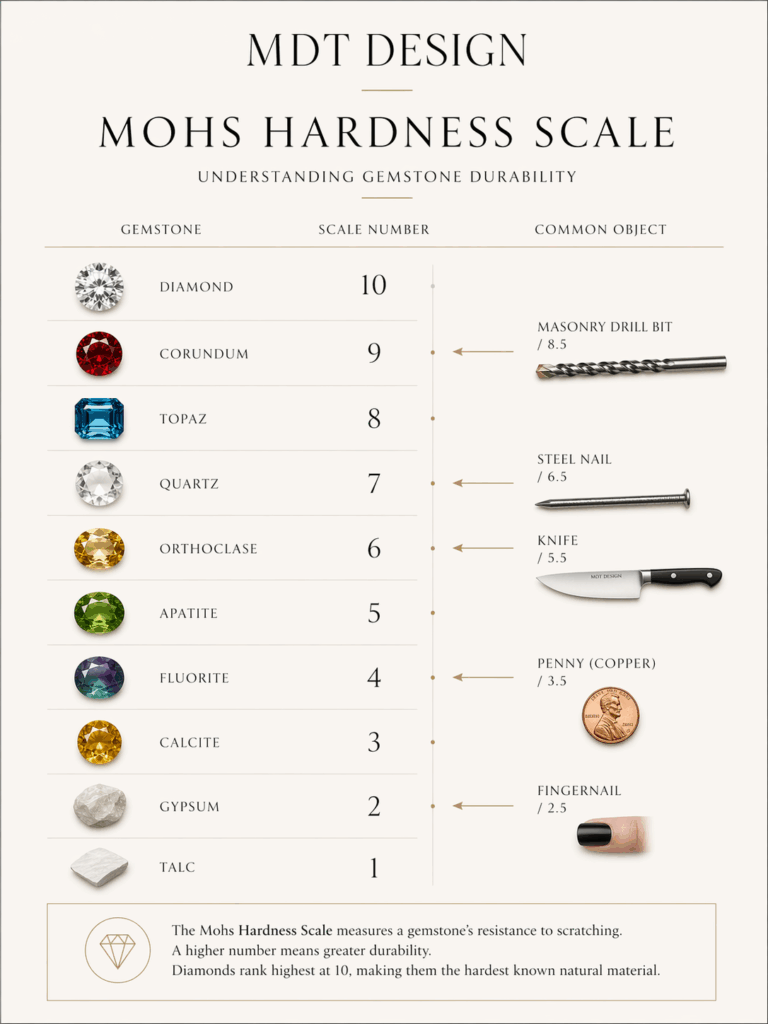
The Mohs hardness scale is a system used to measure a mineral’s resistance to scratching.
The scale, developed in 1812 by geologist Friedrich Mohs from Germany, who arranged minerals on a scale from 1 to 10.
The softer end of the scale is Talc, ranked at 1.
The hardest end of the scale is Diamond, ranked at 10.
In jewellery, the scale is used as a reference point when discussing how a gemstone may hold up with everyday wear.
The higher the number is, the more resistant the mineral (or gemstone) is to being scratched by another material.
How the Mohs Scale Measures Scratch Resistanceg
It is important to understand that the Mohs scale measures scratch resistance only. It does not measure strength, toughness, or how likely a gemstone is to chip if knocked.
A gemstone with a high Mohs rating is more difficult to scratch, but that does not automatically mean it is indestructible.
Why the Mohs Scale Still Matters in Jewellery
Despite its limitations, the Mohs hardness scale remains highly relevant in jewellery because scratching is one of the most common forms of wear. Over time, a softer gemstone can lose crisp facet edges, develop surface marks, or appear duller through frequent contact.
For rings in particular, where the gemstone is exposed to daily impact and friction, hardness matters.
Mohs Hardness Scale Chart
Below is a simplified Mohs hardness scale chart showing common minerals and some of the gemstones most relevant to jewellery.
Mohs Hardness of Common Minerals and Gemstones
Many popular jewellery gemstones sit between 7 and 10, but even within that range, their long-term suitability depends on much more than the number alone.
Why Does Gemstone Hardness Matters in Jewellery?
When it comes to jewellery, gemstones may look pretty, but their function is more important that only sparkling. Gemstones are not only admired, they are worn, knocked, touched and lived with. Your everyday lifestyle matters.
Considerations may be made for a pendant worn occasionally- that may perform beautifully for decades, even if it is not a particularly hard stone. The stone you choose for an engagement ring that you intend to wear everyday needs careful consideration.
Everyday Wear and Long-Term Durability
The more you wear your jewellery piece, the more it is exposed to surfaces, impacts and abrasions. In particular, rings are especially vulnerable, because they go everywhere our hands do. Door handles, tools, keys, stone surfaces are all opportunities for the stones to wear.
This doesn’t mean that there is only one gemstone recommended, it means your design needs to consider the gemstone that it will feature and the lifestyle of the wearer.
Why Engagement Ring Gemstones Need Extra Consideration?
As engagement rings are usually worn every day, and carry significant sentimental meaning, we recommend a gemstone that not only suits the wearer aesthetically, but suits the way they live.
This is why diamonds and sapphires are strong contenders for engagement rings. Their superior hardness renders them more resistant to surface wear, allowing then to maintain their beauty over time.
Hard vs Tough: What Is the Difference?
Hardness vs toughness is a important comparison when it comes to the durability of a gemstone, and one that is often misunderstood.
Hardness refers to a gemstone’s resistance to scratching.
Toughness refers to a gemstone’s ability to resist breaking, chipping, or fracturing.
These are entirely different considerations.
Why can a Hard Gemstone Can Still Chip?
Diamonds are the hardest natural material featured on the Mohs scale. however a diamond can still chip it hit at the right angle. Hard does not mean invincible.
Other gemstones with a lower hardness on the scale can actually be very resilient in other ways but harder stones (like diamonds) might still contain structural vulnerabilities or be brittle.
Why This Distinction Matters in Custom Jewellery
When designing a custom ring or other piece you should never consider the gemstone in isolation.
The style of setting, way the stone is exposed, the shape, profile and lifestyle of the wearer all influence the longtime wear of the piece.
At MDT DESIGN, all of our jewellery is designed and handmade with these factors taken into consideration. This is one of the benefits of working with jewellers and designers who handmake jewellery in-house. Making the finished piece built around the wearer and the gemstone itself.
Diamond, Sapphire, Ruby and Other Popular Gemstones on the Mohs Scale
Naturally, some gemstones are better suited to everyday jewellery because of where they sit on the Mohs scale.
Diamond Hardness
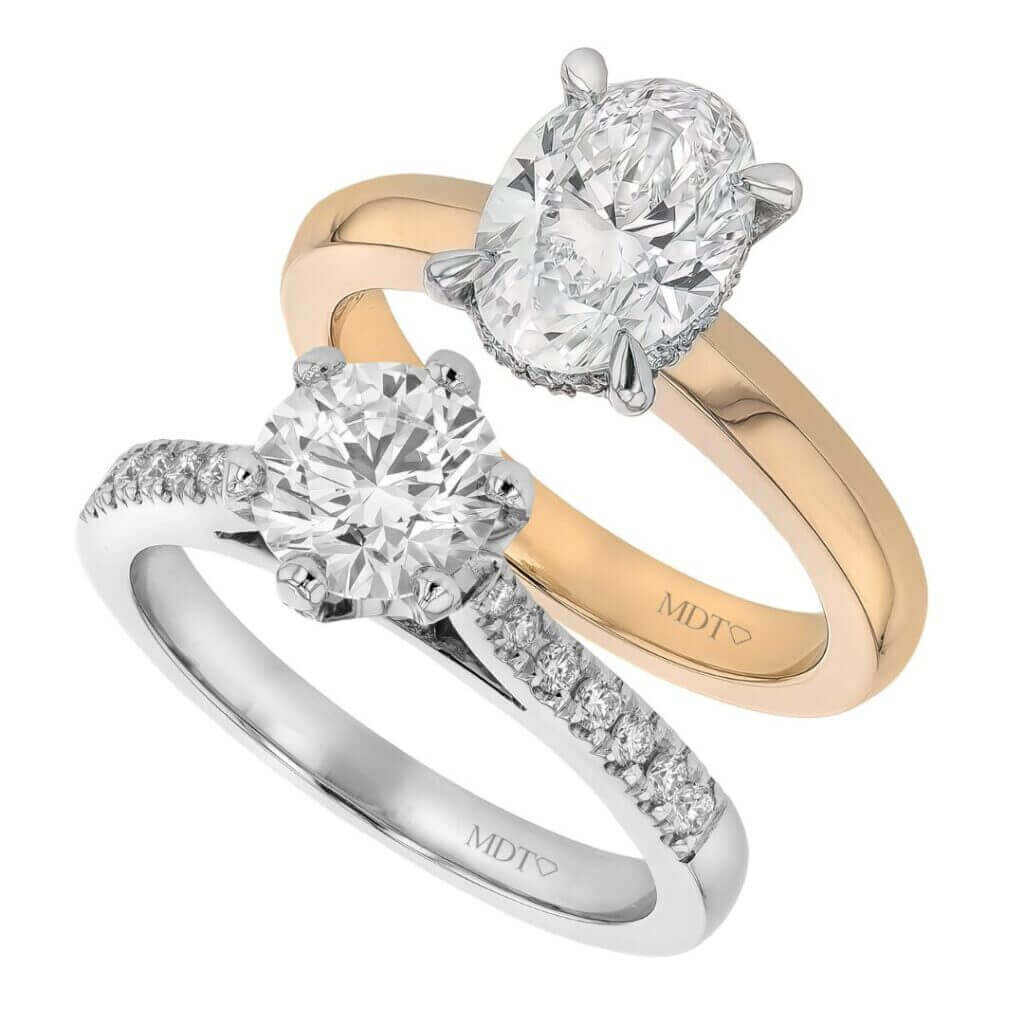
A diamond is the hardest natural mineral when it comes to scratch resistance, therefore it sits at a 10 on the Mohs scale.
This is one factor as to why diamonds remain one of the most popular choices for engagement rings. Diamonds resist scratches well and can maintain shape and definition when worn over long periods.
It is important to remember, diamonds should not be considered unbreakable. While they are exceptionally hard, they can still chip.
Sapphire and Ruby Hardness
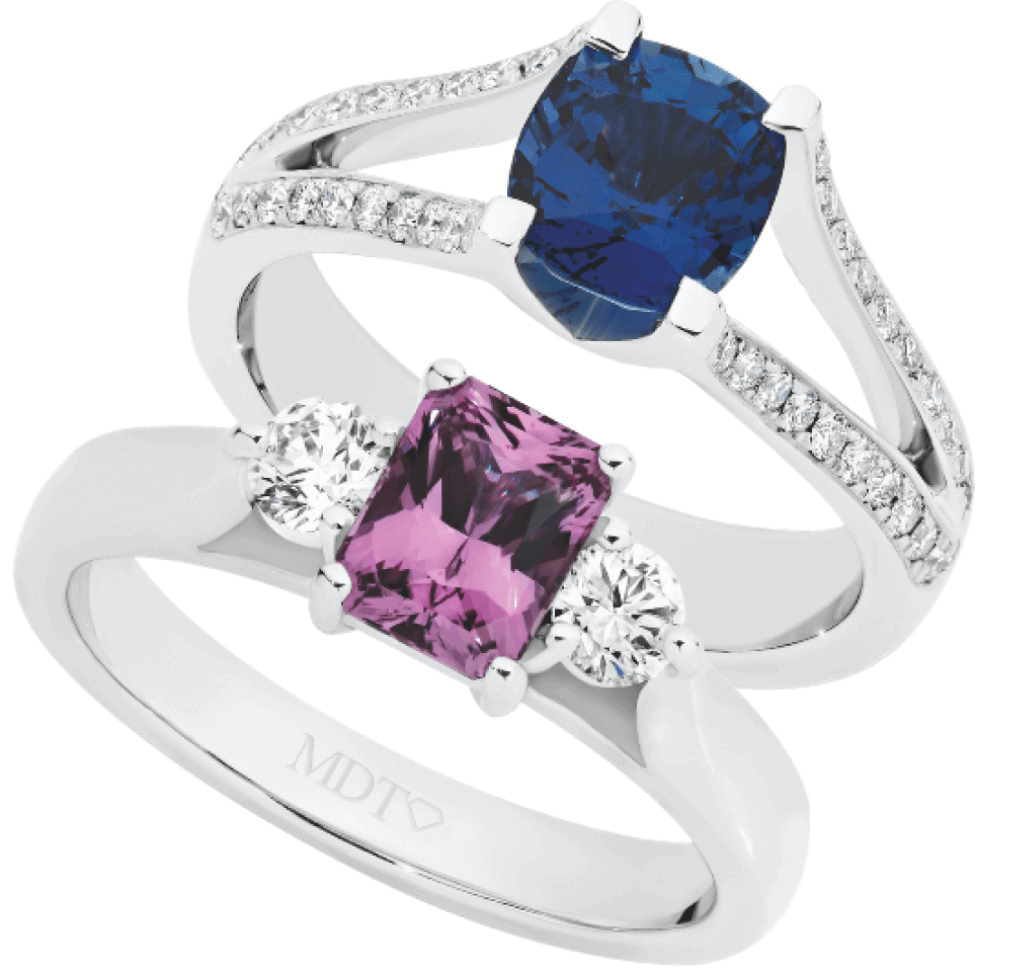
When it comes to the Sapphire and Ruby, they both belong to the corundum family and sit just below the diamond at a 9 on the Mohs scale.
This making them a great choice for rings and jewellery intended to be worn regularly as they offer a strong level of scratch resistance. Sapphires and Rubies also appeal to clients who want colour and individually as well as durability in their gemstone.
When considering custom engagement rings, sapphires in particular offer a great alternative to diamonds and perform wonderfully overtime.
Emerald, Aquamarine, Topaz and Other Gemstones
Generally all gemstones can be featured in your jewellery, but they need more nuanced consideration.
- Topaz sits at an 8 on the Mohs scale of hardness, but can have a cleavage that makes it more vulnerable when placed in certain settings.
- Quartz gemstones (including amethyst and citrine) are placed at a 7 on the scale and can work well depending on design and wear habits.
- Aquamarine usually sits at around a 7.5 to 8 on the Mohs scale and can be a wonderful choice for the right piece.
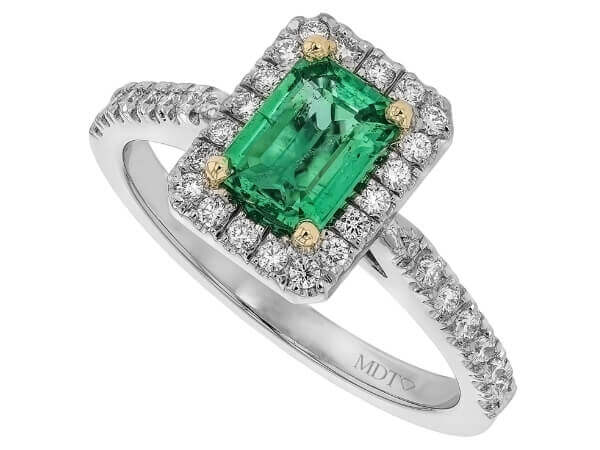
- Emerald is often considered a luxury gemstone. It also sits at a 7.5-8 on the scale, however as it commonly contains inclusions and can be rather brittle, it usually requires very thoughtful setting and careful wear.
The hardest gemstone is not always the best choice for you, the best choice is the one that considers both the design and the life of the wearer.
What Is a Good Mohs Hardness for Everyday Jewellery?
For rings worn every day, especially engagement rings, we recommend gemstones with a hardness of 8-10.
That is not to say that stones below this range cannot be used, it simply means they are more suited to occasional wear- or intentional and protective design solutions.
What are the Best Gemstones for Daily Wear?
For those wanting a durable ring, worn regularly, the most suitable stones would include:
These stones combine scratch resistance with a vibrant presence, making them suitable for jewellery worn daily.
When Do Softer Gemstones Work Beautifully?
Gemstones that are softer can still hold deep and beautiful meaning.
In most cases we would suggest they are ideal for:
- pendants
- earrings
- dress rings worn occasionally
- sentimental pieces worn intentionally
We do not dismiss softer stones completely as they each offer an individual beauty- however we need to utilise them intelligently.
What the Mohs Hardness Scale Does Not Tell You
Whilst the Mohs scale is very useful, it is not a complete guide to the performance of gemstones.
Two gemstones that may have a similar hardness rating on the scale can, in reality, behave very differently.
Cleavage, Brittleness and Structural Risk
The durability of a gemstone can often rely on the specific stone in question. Some stones have weak points in their internal structures causing then to cleave or fracture if hit.
Other stones may be highly ranked due to scratch resistance however are still prone to chipping along the edges.
Another consideration is the shape of a gemstone. A stone with a point – offers more vulnerability than a round of oval shape- especially if the point is not overed or secured by the stones setting.
Why Setting Style and Craftsmanship Matter
When considering a piece of jewellery, it is important that we understand the gemstone is not functioning alone. It collaborates with how it is set and how the ring itself is made.
A thoughtfully considered engagement ring setting can provide protection to stones susceptible to damage by reducing unnecessary exposure- improving wearability. Whereas a poorly chosen setting will leave even the most durable gemstone at a high risk of damage.
This is why craftsmanship and design are so critical.
At MDT DESIGN, every piece is handmade from solid precious metal in our onsite Melbourne workshop.
As we do not cast of mass produced, the structure of each MDT DESIGN piece is engineered for the utmost strength, balance and longevity. This matters just as much as the gemstone itself.
Selecting the Best Gemstone for Your Lifestyle
Jewellery needs to match the person wearing it.
The perfect gemstone for someone with a low-impact daily routine may not be the right selection for someone who works with their hands, moves through physical environments or someone who never wants to have to worry about their rings security.
Jewellery for Hands-On Work and Active Wear
For those with active lives, physically demanding jobs or with low-maintenance preferences, harder gemstones paired with protective settings are what we recommend for best wear.
This is why custom design is important. It allows us to be thoughtful and intentional about all design facets.
Jewellery for Occasional Wear and Sentimental Pieces
Not all jewellery is intended for heavy wear, but for decoration, considered wear and particular occasions.
In which case, we can consider a wider range of gemstones, provided the piece is designed with care and the expectations for wear are transparent.
How MDT DESIGN Approaches Durability in Custom Jewellery
At MDT DESIGN, design and durability are never separated.
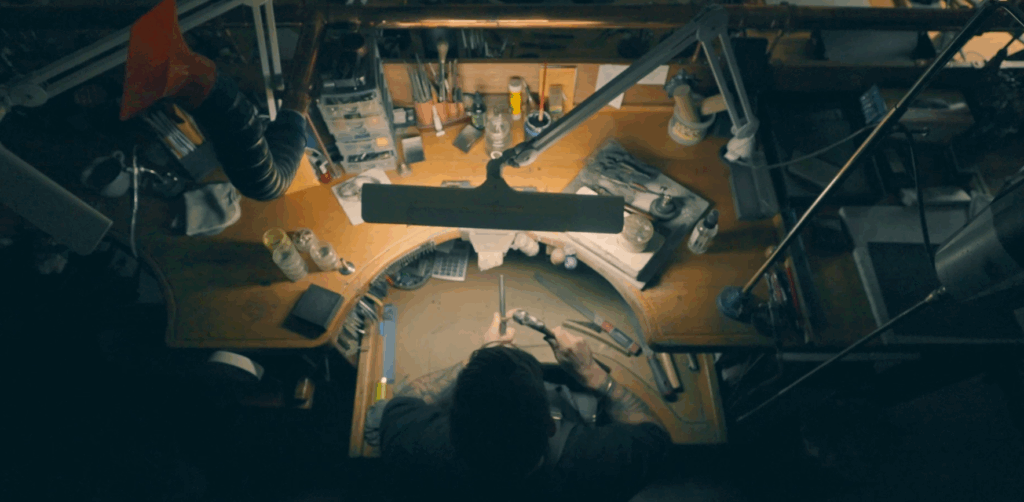
We specialise in entirely handmade custom jewellery, made from solid precious metal in our Melbourne workshop. Because each piece is individually forged rather than cast, we are able to create jewellery with greater structural integrity, hardness and longevity.
Designing Jewellery to Last
When selecting a gemstone, we consider:
- how often the piece will be worn
- the lifestyle of the wearer
- the shape and durability of the gemstone
- the level of exposure in the setting
- the long-term practicality of the design
This approach allows us to create jewellery that is not only beautiful in the moment, but capable of lasting well into the future.
Handmade Strength, Solid Precious Metal and Long-Term Wear
Our jewellery is never mass produced. It is not made to a generic formula. Each design is developed with care, then handmade in our onsite workshop where clients can see the making process for themselves.
That visibility matters. It reflects the way we work: honestly, collaboratively, and with genuine investment in the final piece.
Alongside our manufacturer’s warranty, lifetime complimentary servicing, and Love at First Sight Guarantee, this approach gives clients confidence that their jewellery has been made with real thought behind it.
Final Thoughts: Beauty Should Also Be Built to Last
The Mohs hardness scale is a helpful starting point when comparing gemstones, especially for jewellery intended to be worn regularly. It explains scratch resistance, but it is only one part of a much bigger picture.
The most successful jewellery balances beauty, sentiment, structure and wearability. It respects both the gemstone and the person who will live with it.
At MDT DESIGN, that balance matters. Every custom piece is designed with the understanding that jewellery should feel personal, look exceptional, and stand the test of time.
To explore the perfect gemstone for you, contact one of our designers today.