How to Clean and Care for Your Diamond Engagement Ring: A Complete Guide
Kosta Theochari, a qualified jeweller, diamond grader and jewellery expert advises a practical guide on keeping your engagement ring secure and sparkling for generations.
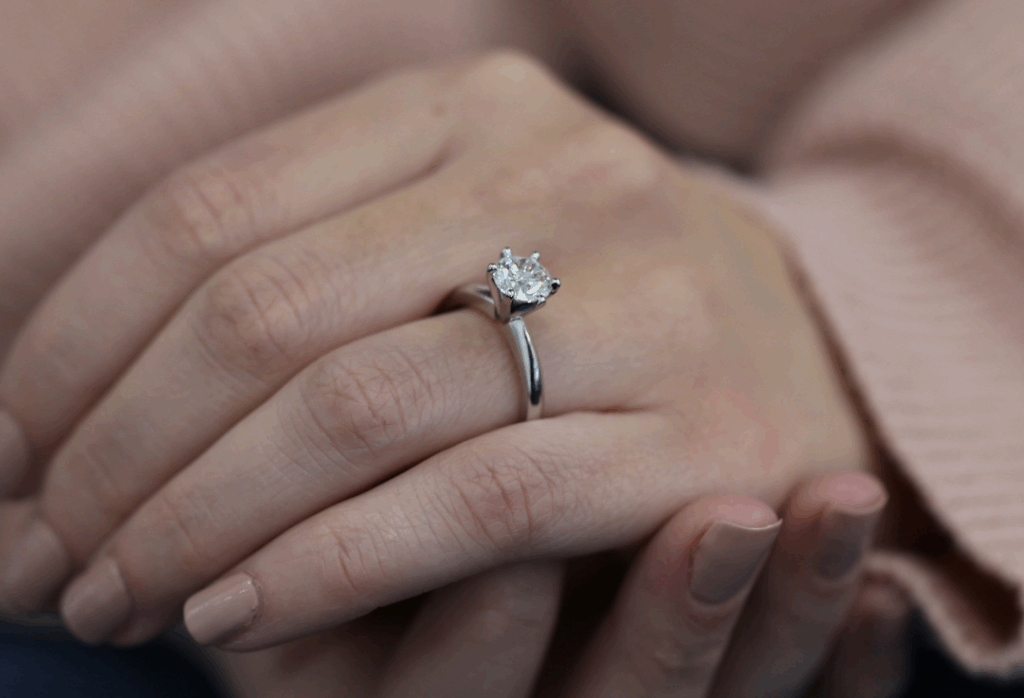
An engagement ring is more than a mere piece of jewellery, it is something you will (in most cases) wear daily for the rest of your life.
With proper care and routine maintenance, your engagement ring can retain its original structure and beauty decades from now.
Although diamonds are the hardest naturally occurring substance on Earth, an engagement ring is still a finely crafted piece of jewellery. The setting and claws that hold the diamond, the precious metal used and the setting are all subject to daily wear. With every knock, bump and scratch, metal is slowly removed from the ring. Simple habits and regular inspections can significantly reduce the chance of damage, prevent the loss of a diamond and help your engagement ring become a treasured family heirloom for the generations to come.
At MDT DESIGN, we recommend combining sensible day-to-day care with regular professional cleaning and inspections. Throughout this guide, Kosta Theochari – Managing Director of MDT DESIGN, qualified jeweller and diamond grader – shares practical advice gained from over more than two decades of designing, manufacturing and repairing engagement rings and precious jewellery pieces.
Quick Engagement Ring Care Checklist
If you’re short on time, these are the most important things you can do to help protect your engagement ring:
✔ Clean your ring monthly using warm water, mild dishwashing liquid and a soft toothbrush.
✔ Check that your diamond feels secure at least once a month and does move or rattle in the setting.
✔ Watch out for claws catching on clothing or towels.
✔ Remove your ring before heavy lifting, gym workouts, gardening, renovations or contact sports. Anything where the ring is more prone to getting knocks.
✔ Stay away from chemicals such as bleach, chlorine and harsh household cleaning products.
✔ Have a professional inspection of your ring at least once a year, even if it seems perfectly normal to you.
The simple actions listed above can significantly extend the life of your diamond engagement ring and reduce the likelihood of costly repairs occurring sooner than necessary.
Wear Your Ring – But Wear It Wisely
All MDT DESIGN engagement rings are designed to be worn and loved every day, however it is very important to recognise when it is best to take it off.
It is important to understand that activities that present heavy impact, pressure or the ring itself being struck can put unnecessary stress on the setting and general structure of the ring.
We recommend removing your ring before:
* Gym/ Sport activities or lifting weights
* Gardening
* Heavy lifting/ moving furniture
* Working with hand or power tools
* The heavier household cleaning
* Working on vehicles/machinery
* Activities where your ring might receive significant knocks
A lot of people assume that simple everyday wear is what causes damage to their engagement ring. Though the truth is that it is usually a single unexpected impact that can bend a claw, loosen a stone or misshape the band.
Kosta’s Expert Jeweller Tip
A common phrase I hear is ‘I dont remember knocking my ring.’ Often people dont realize the damage at the time of impact, especially in the early stages of wearing the ring.
A knock against a door handle, kitchen bench, stair handrail, equipment at the gym or something as simple as clapping with many rings on your hands can be enough to mark or cause damage to the ring.
If you realise your ring has received a heavy knock, it is always worth having it inspected, even if it looks and feels fine. It is better to be safe than sorry.
Check Your Diamond Regularly
A diamond rarely fall out without warning.
Creating a habit of having your engagement ring checked only takes a few seconds and can prevent the heartbreak of dislodging your gemstone, or worse loosing it all together.
Every month once the ring is cleaned, gently hold your ring close to your ear and lightly tap the band with your fingernail. If you hear or feel the diamond moving, stop wearing the ring and arrange a professional inspection as soon as possible.
You should also check that the diamond still sits straight within the setting and that all claws appear even and are over the stone.
Kosta’s Expert Jeweller Tip
I’ve inspected rings that look to be perfectly normal from top view, yet one claw when view from the side has almost completely worn down. This is why regular professional inspections are so important, damage isn’t always clearly obvious and on occasion, not even visible to the naked eye.
Watch for Worn or Sharp Claws
The claws are the hardest working component of your engagement ring. Their job is to securely hold your diamond.
Over time, claws naturally do wear down through normal use. Every scratch is essentially removing a minute bit of metal from the claw. If they become too thin, they can then easily be bent or damaged. Although the stone may not be loose, this leads to them no longer have the strength to adequately securing the diamond and if struck, the tips of the claws could break off the stone be dislodged from the setting.
When claws are worn fine, one of the early warning signs may be if the claws are catching on clothing, towels or blankets.
Although this doesn’t necessarily mean your diamond is about to fall out, it can often be a clear sign that your ring should be inspected.
Kosta’s Expert Jeweller Tip
Most claw work and repairs are relatively straightforward when caught early. Unfortunately, many people leave it too long and wait until the diamond has become loose. Preventative maintenance is always the better option that keeps the originality of the ring and is the more affordable option.
Clean Your Engagement Ring at Home
Even the highest quality diamond will lose their sparkle when it becomes dirty.
Everyday products such as moisturiser, sunscreen, hand soap, Hand sanitiser, cooking oils and natural skin oils slowly build up around and underneath the diamonds setting. This can block light reflection through the diamond and will reduce the stones lustre and brilliance.
Fortunately, cleaning your engagement ring at home is an easy task.
Fill a small bowl with hot water (not boiling) and add a few drops of mild dishwashing soap. Allow your ring to sit in the soapy water for around five to ten minutes before gently cleaning and scrubbing it with a soft toothbrush. Be sure to focus your attention to the underside of the diamond and setting where most of the dirt and oil accumulates.
Rinse thoroughly with clean water before drying with a tissue or soft cloth.
Kosta’s Expert Jeweller Tip
The biggest mistake people make is only cleaning the top of the diamond. The real build-up is underneath the setting. Cleaning underneath the stone makes the biggest difference to your ring’s sparkle.
Avoid Harsh Chemicals
Although diamonds themselves are incredibly durable, harsh chemicals can affect the precious metal your ring is made from.
It’s best to avoid exposing your engagement ring to:
* Bleach
* Chlorine
* Abrasive cleaning products
* Strong household chemicals
These products may gradually affect metal finishes and contribute to unnecessary wear.
Kosta’s Expert Jeweller Tip
It’s not often the chemicals that will cause a problem, but it is more likely to be latex or rubber cleaning gloves. There have been many cases where rings have sliped off inside gloves when people remove them and end up in the rubbish without anyone noticing. Always remove your ring first and store it safely.
Signs Your Engagement Ring Needs Professional Attention
It is best to have your ring professionally inspection by your jeweller if you notice any of the following:
* Your diamond moves or rattles.
* A claw/s are catches on clothing.
* The band has become bent or warped.
* One claw appears shorter than the others.
* The diamond no longer sitting straight.
* Deep scratches or marks after a heavy knock.
* Small accent diamonds missing.
* Cracks, damage or sharp edges on the setting.
The earlier these problems are identified, the easier they are to repair, usually at a lower costing.
Kosta’s Expert Jeweller Tip
One thing I hear way too often is, “I noticed it ages ago but thought it would be okay”. Jewellery problems do not often fix themselves. If something is concerning, it’s always worth having it checked just to be sure.
Why Professional Jewellery Inspections Matter
No matter how carefully you are and how well you look after your engagement ring, nothing can replace a professional inspection.
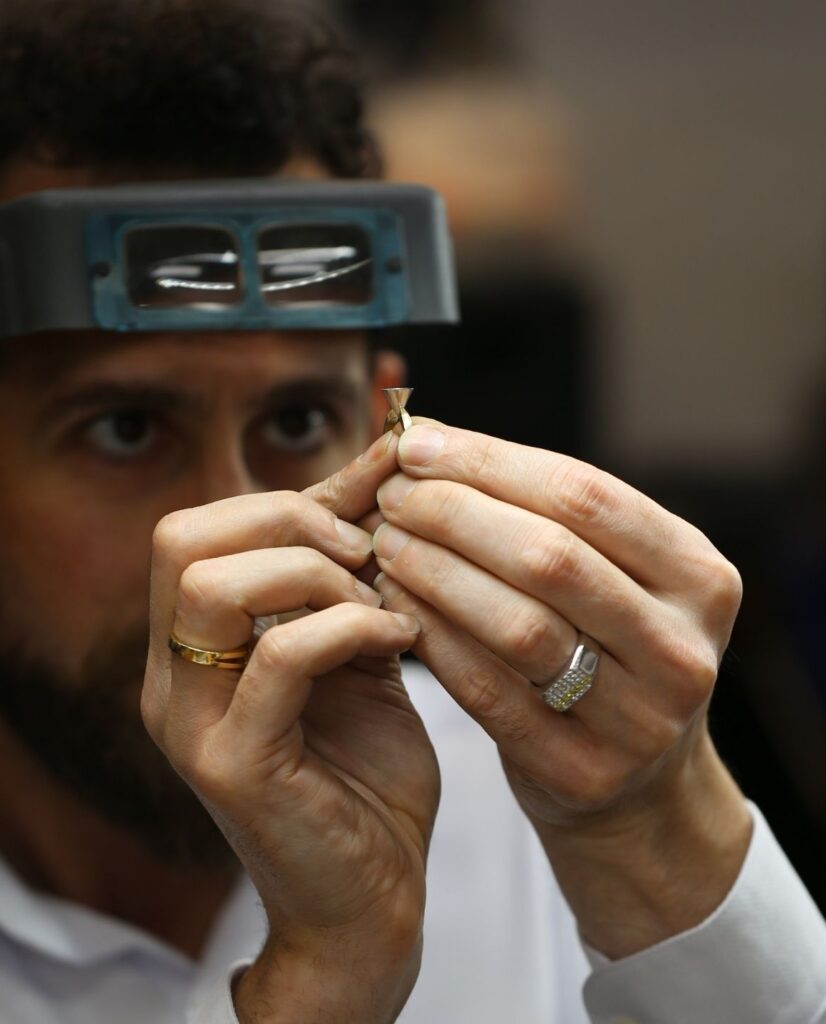
An experienced jeweller can see even the smallest signs of wear long before they become visible to an untrained eye. In many cases, an easy and simple repair can stop a diamond coming loose, a worn claw or damaged setting from becoming a larger and more expensive repair later on.
At MDT DESIGN, we generally recommend having your engagement ring cleaned, polished and professionally inspected every 6 to 12 months, particularly if it is worn daily.
During an inspection, your jeweller should check for:
The security of your main diamond and any smaller stones
Claw wear and thickness
The condition of the setting
Wear to the band
Signs of bending, cracking or metal fatigue
General condition of the entire ring
Kosta’s Expert Jeweller Tip
I often compare an engagement ring service to servicing your car. Regular maintenance and routine inspections may not be because something is wrong, it’s because catching small issues early helps prevent major problems later down the track. Most engagement rings only take a few minutes to inspect, but this can save a lifetime of regret if it prevents the loss of a diamond or the need for remaking the ring.
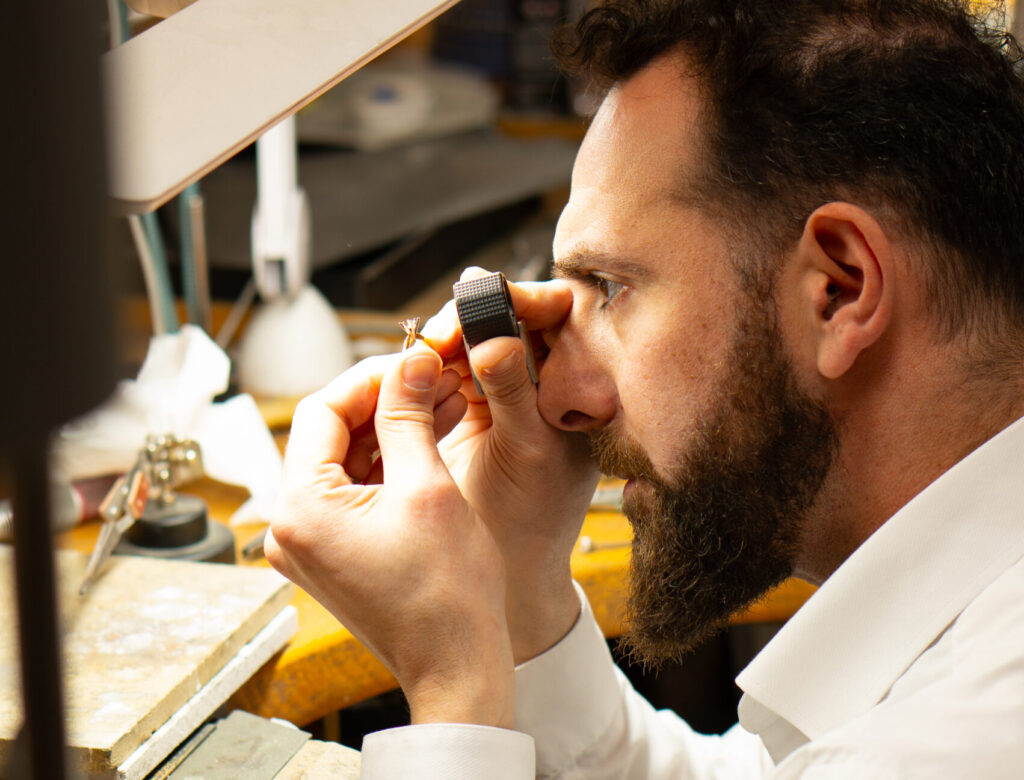
Should You Have Your Ring Professionally Cleaned?
Cleaning your engagement ring at home is an excellent habit to be in, but it doesn’t always remove all the build-up of dirt, oils and residue.
A professional clean can restore your engagement ring’s brightness by reaching areas that are difficult to clean at home while also allowing your jeweller to thoroughly inspect the ring setting.
Depending on your ring and its condition, professional cleaning may include:
Ultrasonic cleaning (where appropriate)
Steam cleaning
A detailed inspection of the claws and setting
Light polishing the metal to refresh the finish
For white gold engagement rings, you may need to have the ring re rhodium plated. Rhodium plating restores the bright white appearance of the ring and helps keep it looking like new. We recommend rhodium plating your ring every 12 months or so to keep it looking bright and white.
Professional cleaning is also an excellent opportunity to discuss any questions you have about the condition of your jewellery piece.
Kosta’s Expert Jeweller Tip
Many clients bring their engagement ring in as it has lost its sparkle. More often than not, the diamond is perfectly fine and it simply just needs a good clean. It is hard to know how dirty your ring is until it is professionally cleaned, and you see it go from dirty to clean. It’s amazing how much brighter a diamond looks once everyday oils and residue have been removed.
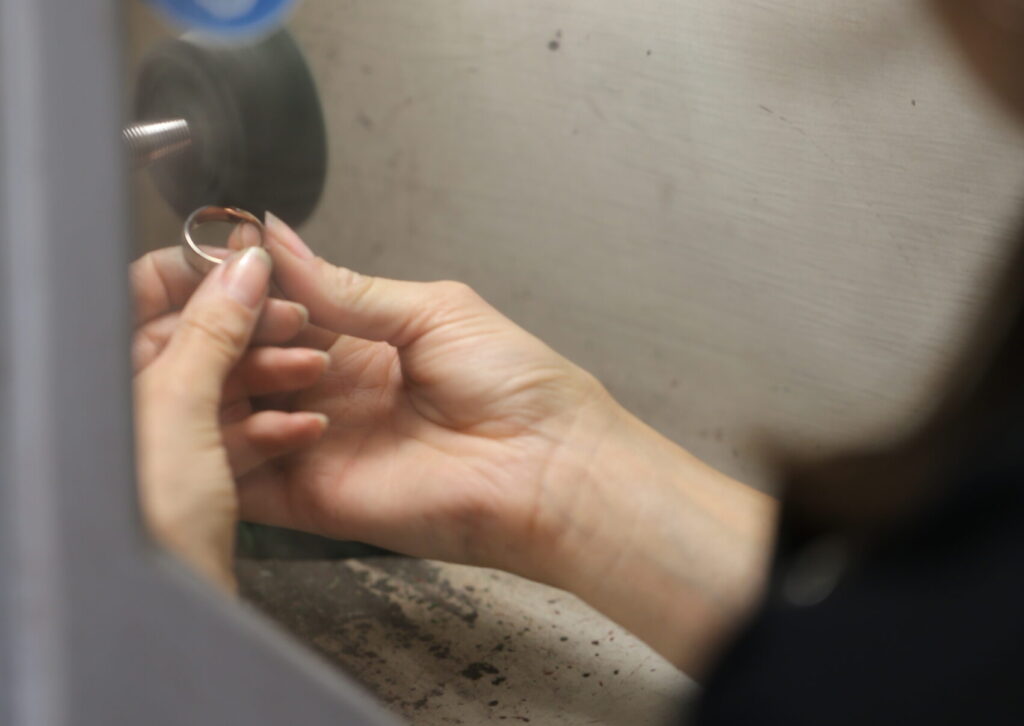
Store Your Engagement Ring Safely
Whenever you’re not wearing your engagement ring, store it somewhere secure.
The safest options for storing your ring include:
A jewellery box with individual compartments so pieces do not touch each other
A fabric-lined jewellery case keeping pieces separate
The original ring box supplied by your jeweller
ideally, avoid storing your ring with other pieces in a draw. Diamonds are extremely hard and can scratch other diamonds or gemstones if they rub or are knocked together. Precious metals can also scratch and scuff one another.
Kosta’s Expert Jeweller Tip
The safest place for your engagement ring isn’t on the bathroom sink or kitchen bench while you wash your hands, it’s either on your finger or in its box! Having only one spot at home where your ring lives when not on your finger can help prevent countless accidental losses and the fear that the ring has been lost or misplaced.
Your Monthly Engagement Ring Care Checklist
Caring for your engagement ring doesn’t take long and spending just a few minutes each month can help prevent unnecessary repairs.
Every Month
✓ Check that your diamond feels secure.
✓ Inspect the claws for wear or catching.
✓ Clean your ring using warm soapy water and a soft toothbrush.
✓ Remove any dirt, oils and grit trapped under the setting.
✓ Store your ring safely whenever it isn’t being worn.
Every 6–12 Months
✓ Have your engagement ring professionally cleaned and inspected by an experienced jeweller.
After a Heavy Knock
✓ If your ring receives a significant impact or something doesn’t look or feel right, arrange an inspection before continuing to wear it.
Looking After Your Ring for Generations
An engagement ring is one of the very few things designed to become part of your family’s story and history. With the right care and maintenance, it can be worn every day and eventually passed down to future generations.
At MDT DESIGN, every handmade engagement ring is individually handmade in our Melbourne workshop using traditional jewellery making techniques. While our rings are built strong to last, even the finest jewellery will benefit from ongoing care.
About the Author

Kosta Theochari, the Managing Director of MDT DESIGN, a qualified jeweller, diamond grader, jewellery expert and multiple jewellery award finalist with more than 20 years of industry experience.
Kosta has specialised in the design and manufacture of traditionally handmade jewellery, diamond sourcing and grading, jewellery repairs, restoration and custom made fine pieces of jewellery since the beginnning of his apprecticeship in 2003.
Kosta has been nationally recognised as a finalist for his fine jewellery design and handmade craftsmanship in multiple Australian jewellery design awards and his passion for helping clients and innate design skill assist clients to make well informed decisions when purchasing and caring for their jewellery shines through the Melbourne boutique.
Frequently Asked Questions
How often should I clean my diamond engagement ring?
A ring that is worn everyday should undergo a gentle clean every month, using warm water, mild dishwashing soap and a soft toothbrush is what we generally recommend.
This will be enough to remove everyday oils, lotions and dirt that builds daily and can reduce your diamond’s sparkle.
How often should I have my engagement ring professionally inspected?
We recommend having your engagement ring cleaned, polished and checked professionally every 6 to 12 months. Regular inspections help identify minor issues before they get bigger.
Should I clean my engagement ring with toothpaste?
No. I do not recommend using Toothpaste to clean your jewellery. Toothpaste can contain mild abrasive grit that can scratch or dull the finish of the metal. Warm water, mild dishwashing liquid and a soft toothbrush are a much safer option.
Why doesn’t my diamond sparkle like it used to?
The most common reason is a build-up of everyday oils, moisturiser, sunscreen and soap residue trapped under the diamonds setting. A professional clean will usually restore much more of its brilliance.
What should I do if my diamond feels loose?
Stop wearing the ring and have it inspected by a professional jeweller as soon as possible. Continuing to wear a ring with a loose diamond increases the risk of losing the stone.
Why are my claws catching on clothing?
Claws that snag clothing are often worn so fine they become sharp. This is one of the clearest signs that your engagement ring should be professionally inspected.
Can I wear my engagement ring to the gym?
It’s generally best to remove your engagement ring before lifting weights or exercising with any equipment. Heavy impacts and pressure can damage the setting, wear the claws or bend the band.
What’s the best way to make my engagement ring last a lifetime?
It is best to have it cleaned it regularly, remove it during heavy handed activities, store it safely when you’re not wearing it and have it professionally cleaned and inspected every 6 to 12 months. These simple things can help keep your engagement ring secure.