Are Lab Diamonds Synthetic? A Master Jeweller Explains
Long story short, yes, lab-grown diamonds are synthetic diamonds.
But it is important to remember ‘synthetic’ doesn’t always mean ‘fake’.
A laboratory-grown diamond or ‘man made’ diamond has essentially the same chemical composition, crystal structure and physical characteristics as a natural earth made diamond.
The difference lies in how it was actually created.
So why are they called lab-grown diamonds? Are they actually made in laboratories? And if they look and behave like natural diamonds, what makes them different?
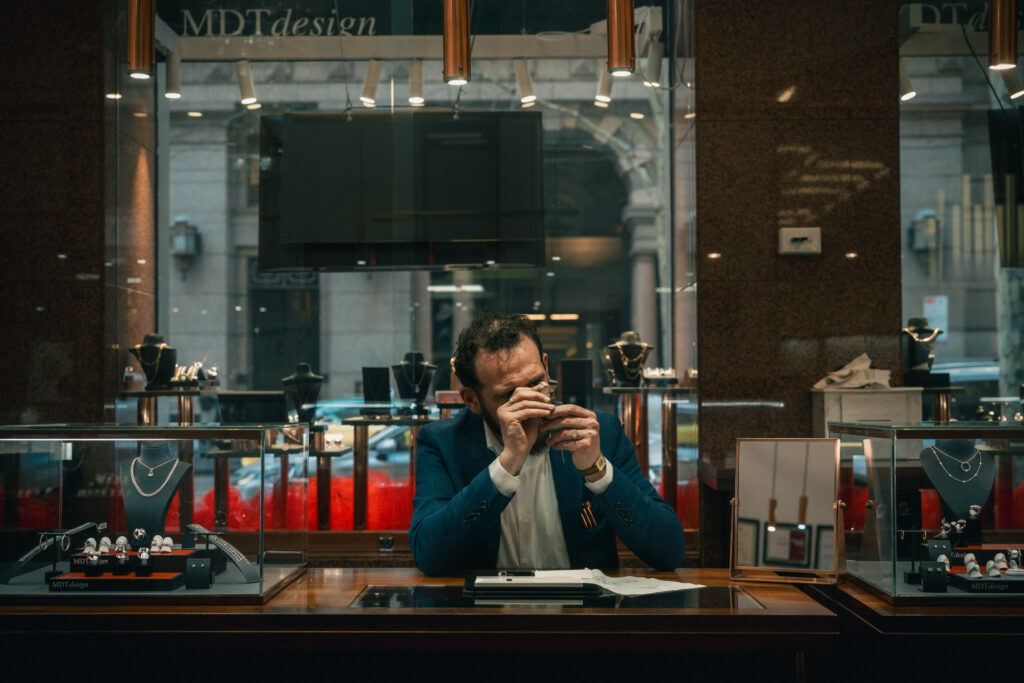
Kosta Theochari, master jeweller at MDT DESIGN Melbourne, explains the terminology, the difference in rarity and what really matters most when selecting a diamond for your perfect engagement ring.
What Does Synthetic Actually Mean?
To break it down ever further; synthetic generally refers to something produced artificially rather than occurring naturally.
In gemmology, a synthetic gemstone is a manufactured product with fundamentally the same chemical composition and crystal structure as its natural peer.
Meaning that a lab-grown diamond is a genuine diamond when it comes to its make up, even though it wasn’t actually created naturally within the Earth.
The Gemological Institute of America (GIA) recognises synthetic, man-made and laboratory-grown as terms used to describe manufactured diamonds.
The distinction is simple: natural describes geological origin, while synthetic describes manufactured origin.
Watch: Kosta Explains Why Lab-Grown Diamonds Are Synthetic
MDT DESIGN master jeweller Kosta Theochari explains synthetic diamonds, natural rarity and why quality craftsmanship matters regardless of the diamond you choose.
Are Lab-Grown Diamonds Real Diamonds?
Yes. Lab-grown diamonds are diamonds.
Both natural and laboratory-grown diamonds alike are made up of carbon arranged in a diamond crystal structure. They essentially share the exact same hardness, brilliance and visual characteristics.
This is why a lab-grown diamond often looks identical to a natural diamond when viewed side by side and why they register as a diamond on many conventional diamond-testing devices.
However, this does not neccisarily mean that the two origins are impossible to distinguish.
There are some specialised gemmological devices and equiptment that can identify characteristics associated with natural diamond formation and laboratory growth.
The GIA explains that while traditional observations and testing might not be able to distinguish the two, advanced laboratory analysis can determine whether a diamond is natural or laboratory-grown.
Read more; how GIA identifies laboratory-grown diamonds.
Are Synthetic Diamonds the Same as Fake Diamonds?
No.
A synthetic diamond is different from a diamond substitute, such as cubic zirconia or moissanite.
These substitutes often resemble a diamonds aesthetic but have entierly different chemical composition and veey different physical properties.
A lab-grown diamond, by contrast, is made from diamond material.
It is important to remember that the word synthetic when refering to lab grown diamonds is used to describe its manufactured origin, not that it is an imitation diamond.

Are Lab-Grown Diamonds Actually Made in Laboratories?
The term lab-grown is more a reflection of the scientific technology and the space that was used to develop and manufacture these diamonds originally.
However, it is important to note that the commercial production is no longer limited to small research laboratories.
Today, lab-grown diamonds can be produced in specialised manufacturing facilities and factories using streamlining the method and optomised for mass producing these stones.
There are two main methods:
High Pressure, High Temperature (HPHT)
This process uses specialised machinery to recreate the extreme pressure and temperature conditions required for diamond growth.
Chemical Vapour Deposition (CVD)
This process uses carbon-containing gases in a controlled chamber, allowing diamond material to grow on a ‘diamond seed’.
Both techniques can produce gem-quality diamonds suitable for engagement rings and fine jewellery.
The GIA explains in details both of these manufacturing methods in its guide to HPHT and CVD diamond growth.
The term lab-grown remains widely used, although these diamonds are increasingly associated with commercial manufacturing.
Why Are Natural Diamonds Rarer Than Lab-Grown Diamonds?
One of the biggest differences between natural and lab-grown diamonds is their availability.
Natural diamonds are formed deep within the Earth through natural geological processes, often billions of years ago.
Their supply depends on naturally occurring circumstances within the earth, and only a portion of those diamonds are actually suitable for jewellery.
Laboratory-grown diamonds, on the other hand, are manufactured repeatedly using established technology.
While production still requires specialised equipment, a lot of energy and expertise, the number of diamonds produced is not limited by naturally occurring circumstances in the same way.
This distinction contributes to the differences in rarity, availability and market pricing between natural and laboratory-grown diamonds.
Natural diamonds have a fixed geological origin. Laboratory-grown diamonds can be manufactured to excess.
However, rarity varies among natural diamonds according to their size, colour and quality, and rarity alone does not guarantee future value.
Natural vs Lab-Grown Diamonds: What’s the Difference?
Both are diamonds, but their origins and market characteristics are often very different.
Natural vs Lab-Grown Diamonds
Understanding the difference
| Feature | Natural Diamonds | Lab-Grown Diamonds |
|---|---|---|
| Origin | Formed naturally within the Earth. | Manufactured in specialised facilities. |
| Composition | Crystalline carbon. | Same essential chemical composition and crystal structure. |
| Hardness | 10 on the Mohs scale. | 10 on the Mohs scale. |
| Formation | Natural geological processes over immense timescales. | HPHT or CVD manufacturing processes. |
| Rarity | Limited by natural geological occurrence. | Can be produced repeatedly through commercial manufacturing. |
| Appearance | Can look identical to a lab-grown diamond. | Can look identical to a natural diamond. |
| Identification | Natural origin can be established through specialised testing. | Laboratory-grown origin can be established through specialised testing. |
| Typical Retail Price | Generally higher for comparable specifications. | Generally lower for comparable specifications. |
The choice isn’t necessarily about which diamond looks more beautiful.
It’s about understanding the differences in origin, rarity, price and personal significance in each and assesing what is right for you.
Does It Matter if you Choose a Lab-Grown Diamond or Natural Diamond?
At MDT DESIGN, we believe every diamond has its individual person.
Some clients are drawn to natural diamonds because of their geological lineage, rarity and the idea of owning something formed naturally within the Earth over an extraordinary period.
While other clients prefer lab-grown diamonds because they can offer a larger diamond or different specifications within their budget.
Regardless of what you are choosing, we beleive you deserve an honest education about what you’re purchasing before ultimatly making the best decision for you.
Rather than telling clients which diamond they should have, our role at MDT DESIGN is to educate each client about the differences and assist them in making the right decision for them.
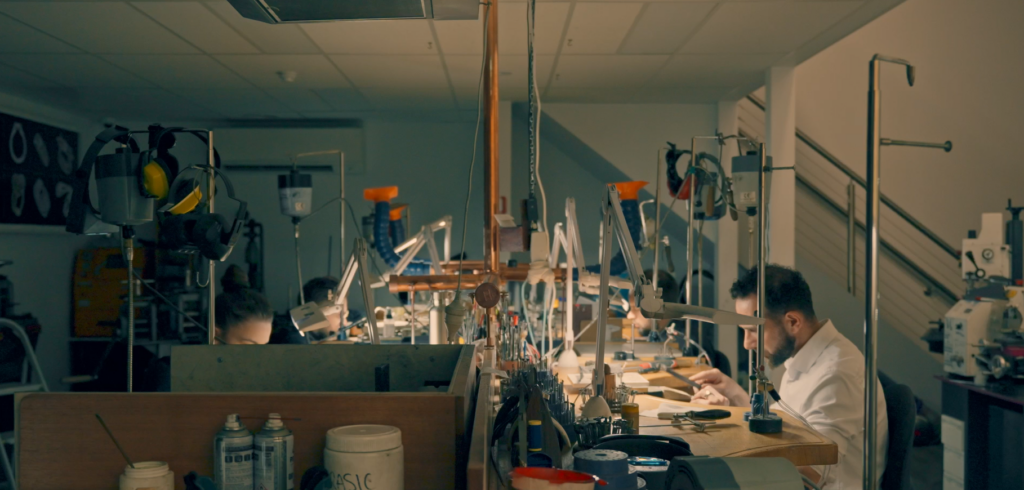
Natural or Lab-Grown: Why the Way Your Ring is Made Still Matters
We at MDT DESIGN beleive that whether you go for a natural diamond or a lab-grown diamond, the quality of the ring holding it of utmost importance.
A beautiful diamond deserves a setting that has been thoughtfully designed and carefully constructed.
The strength of the precious metal, security of the setting, quality of the finishing and overall construction can all influence how a ring wears over time.
A larger or more expensive diamond doesn’t automatically mean a better-made engagement ring.
At MDT DESIGN, our rings are individually handmade in our Melbourne workshop using traditional jewellery-making techniques.
Rather than relying on mass-produced cast settings, our jewellers work precious metals by hand, with careful attention to strength, durability and detail.
It’s a commitment to craftsmanship that applies regardless of which diamond you choose.
Explore our custom handmade jewellery to learn more about the possibilities.
Frequently Asked Questions About Synthetic Diamonds
Are lab diamonds synthetic?
Yes. Laboratory-grown diamonds are synthetic diamonds because they are manufactured rather than formed naturally within the Earth.
Are synthetic diamonds real diamonds?
Yes. Synthetic diamonds have essentially the same chemical composition, crystal structure and physical properties as natural diamonds. They are not diamond imitations.
Do lab-grown diamonds test as real diamonds?
Many conventional diamond testers identify laboratory-grown diamonds as diamond because they measure properties shared by both types. However, specialised gemmological testing can determine whether a diamond is natural or laboratory-grown.
Are lab diamonds made in factories?
Yes. Although the technology originated in scientific laboratories, commercial laboratory-grown diamonds are also manufactured in specialised production facilities and factories.
Are lab-grown diamonds rare?
Laboratory-grown diamonds do not have the same geological scarcity as natural diamonds because they can be manufactured repeatedly. However, production capabilities and the availability of particular specifications can vary.
Are natural diamonds better than lab-grown diamonds?
That depends on what matters most to the buyer. Natural diamonds offer geological origin and rarity, while laboratory-grown diamonds generally offer a lower purchase price for comparable specifications. Both can be used in beautifully crafted fine jewellery.

Choosing the Right Diamond at MDT DESIGN Melbourne
The decision between a natural and laboratory-grown diamond should begin with understanding the differences, not being pressured towards one option.
At MDT DESIGN, we’re happy to educate you about both, answer your questions and help you find a diamond that feels right for you.
Whichever stone you choose, we believe the craftsmanship surrounding it should never be an afterthought.
Established in 1981, MDT DESIGN is a family-owned Melbourne jeweller specialising in individually handmade engagement rings and fine jewellery.
Visit our Collins Street boutique to explore your options and discuss a ring made specifically for you.
Explore Custom Jewellery at MDT DESIGN
Contact Our Melbourne Jewellers
Read: How Much Electricity Does it Take to Make A Lab Grown Diamond
Expert commentary informed by Kosta Theochari, master jeweller at MDT DESIGN Melbourne.