SI vs VS Diamonds
SI vs VS Diamonds: What’s the Difference?
When selecting a diamond, clarity is one of the key characteristics that influences both appearance and value.
Two commonly compared clarity grades are SI (Slightly Included) and VS (Very Slightly Included) diamonds.
Understanding the difference between these grades can help you choose a diamond that balances beauty, rarity and budget.
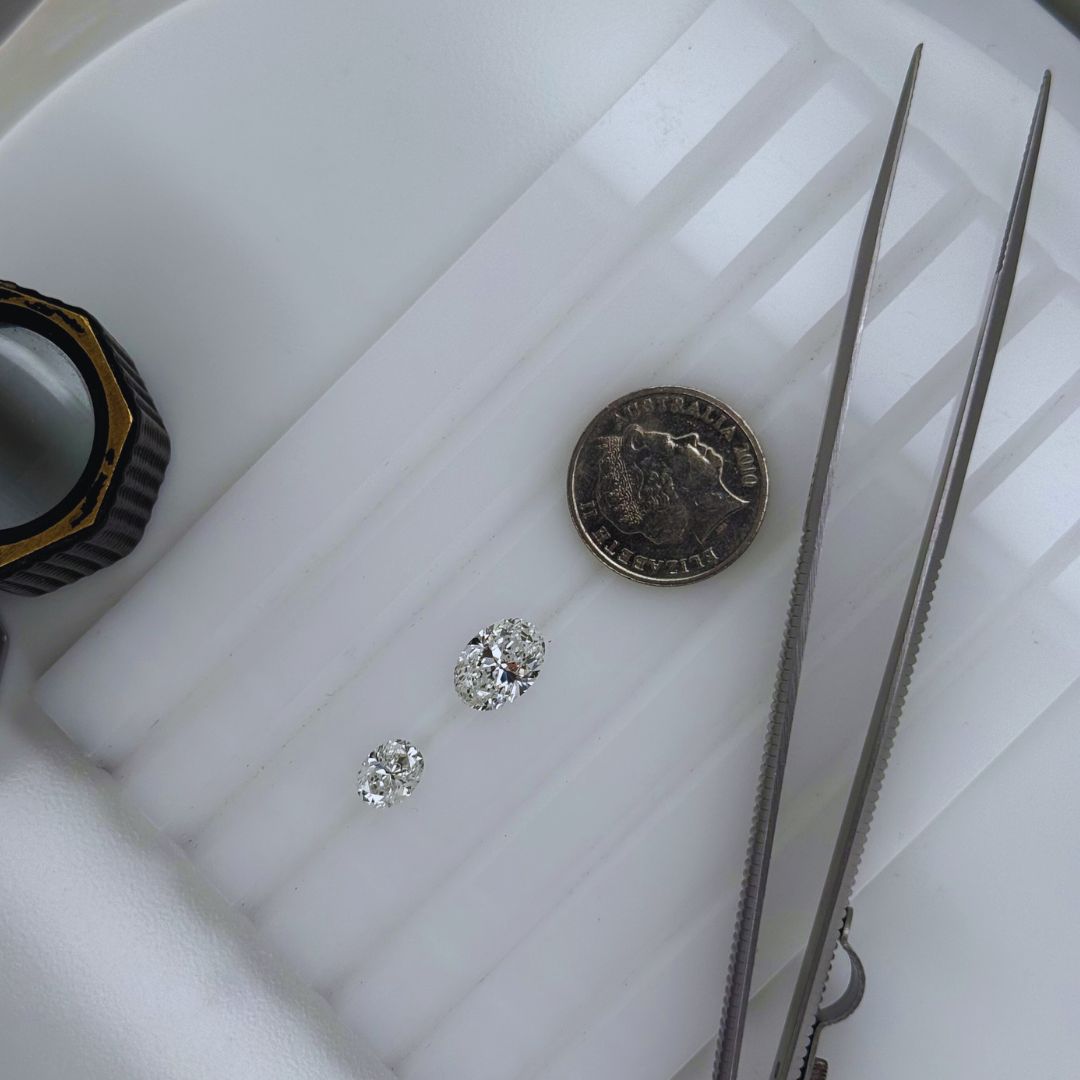
At MDT DESIGN in Melbourne, we guide clients through diamond clarity so they can see how these differences appear in real life.
What Does Diamond Clarity Mean?
Diamond clarity refers to the tiny natural characteristics inside or on the surface of a diamond. These are known as inclusions (internal) and blemishes (surface).
These characteristics formed naturally as the diamond crystallised deep within the earth millions of years ago.
Clarity grading assesses:
- The size of the inclusion
- The position within the stone
- The number of inclusions
- How visible they are under magnification
Diamonds are graded using a standard scale established by the Gemological Institute of America (GIA).
What Are VS Diamonds?
VS diamonds stand for Very Slightly Included.
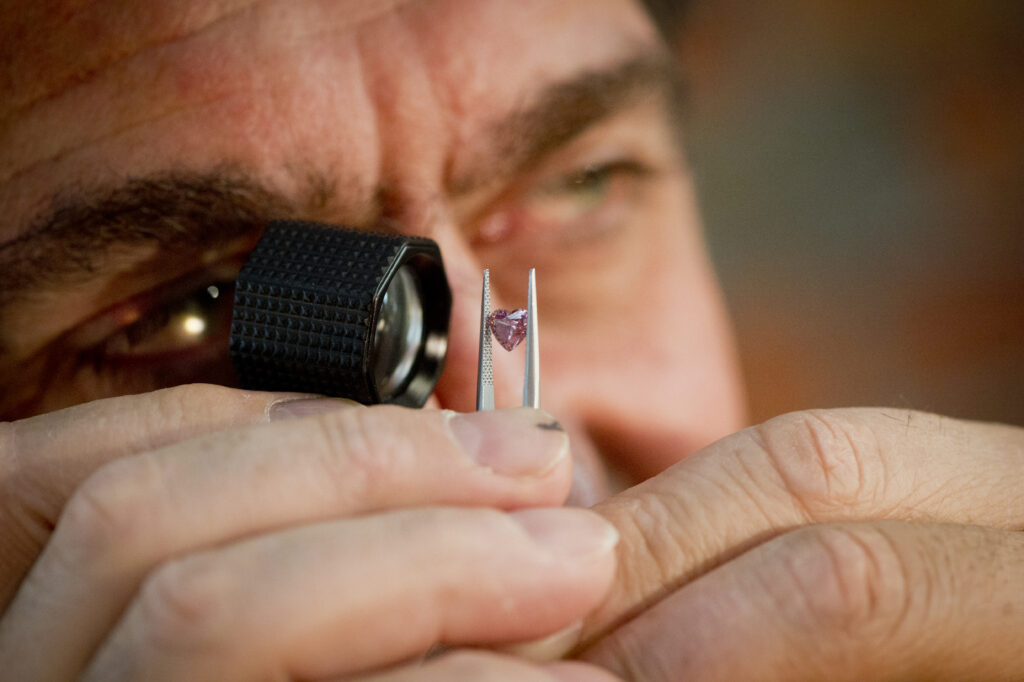
These diamonds contain very small inclusions that are typically difficult to detect even under 10× magnification.
VS diamonds are divided into two grades:
VS1 Diamonds
Inclusions are extremely small and difficult for even a trained grader to locate.
VS2 Diamonds
Inclusions are slightly easier to detect under magnification but are still generally invisible to the naked eye.
For many clients, VS diamonds offer an excellent balance between clarity and value.
What Are SI Diamonds?
SI diamonds stand for Slightly Included.
These diamonds contain inclusions that are visible under 10× magnification, and in some cases may be visible without magnification depending on their size and location.
SI diamonds are also divided into two grades:
SI1 Diamonds
Inclusions are noticeable under magnification but often remain eye-clean, meaning they cannot be seen without magnification.
SI2 Diamonds
Inclusions are more noticeable and may occasionally be visible to the naked eye.
The appearance of SI diamonds varies significantly depending on where the inclusions are located within the stone.
Key Differences Between SI and VS Diamonds
Inclusion Visibility
VS diamonds contain smaller and less visible inclusions than SI diamonds.
This difference is typically noticeable only under magnification.
Rarity
VS diamonds are generally rarer than SI diamonds because they contain fewer visible inclusions.
Price
Because of their higher clarity grade, VS diamonds typically cost more than SI diamonds of the same size and cut.
However, many SI1 diamonds can appear visually similar to VS diamonds when viewed without magnification.
Are SI Diamonds Still Good Quality?
Yes.
Many SI1 diamonds appear eye-clean, meaning inclusions are not visible during normal viewing.
When chosen carefully, an SI diamond can offer excellent beauty and value.
This is why it is important to view diamonds individually rather than relying solely on the clarity grade.
Choosing Between SI and VS Diamonds
The best clarity grade depends on what matters most to you.
Some clients prefer the added rarity of VS diamonds, while others choose SI diamonds that appear eye-clean and offer greater value.
When selecting a diamond, clarity should always be considered alongside:
- Cut quality
- Diamond shape
- Diamond size
- Overall brilliance
At MDT DESIGN, we help clients compare diamonds side-by-side so they can see how these clarity differences appear in real life.
Exploring Diamond Clarity
If you’re learning about diamond clarity, you may also find these guides helpful:
Understanding how clarity grades compare can make choosing a diamond much easier.